Trending Topics

 Trending
Microsoft AI: Why be first when you can be cheaper

Microsoft’s AI coding and security announcements prove you don’t have to be first, you just have to work, be a bit cheaper – and have a massive existing install base helps, too.
AI is often described as an arms race – between companies, as well as between the US and China – but the thing with tech is often first isn’t the best or most commercially successful. The first-mover disadvantage has applied to everything from search engines (AltaVista vs Google) to social media (MySpace et al vs Facebook) and smartphones (BlackBerry vs iPhone).
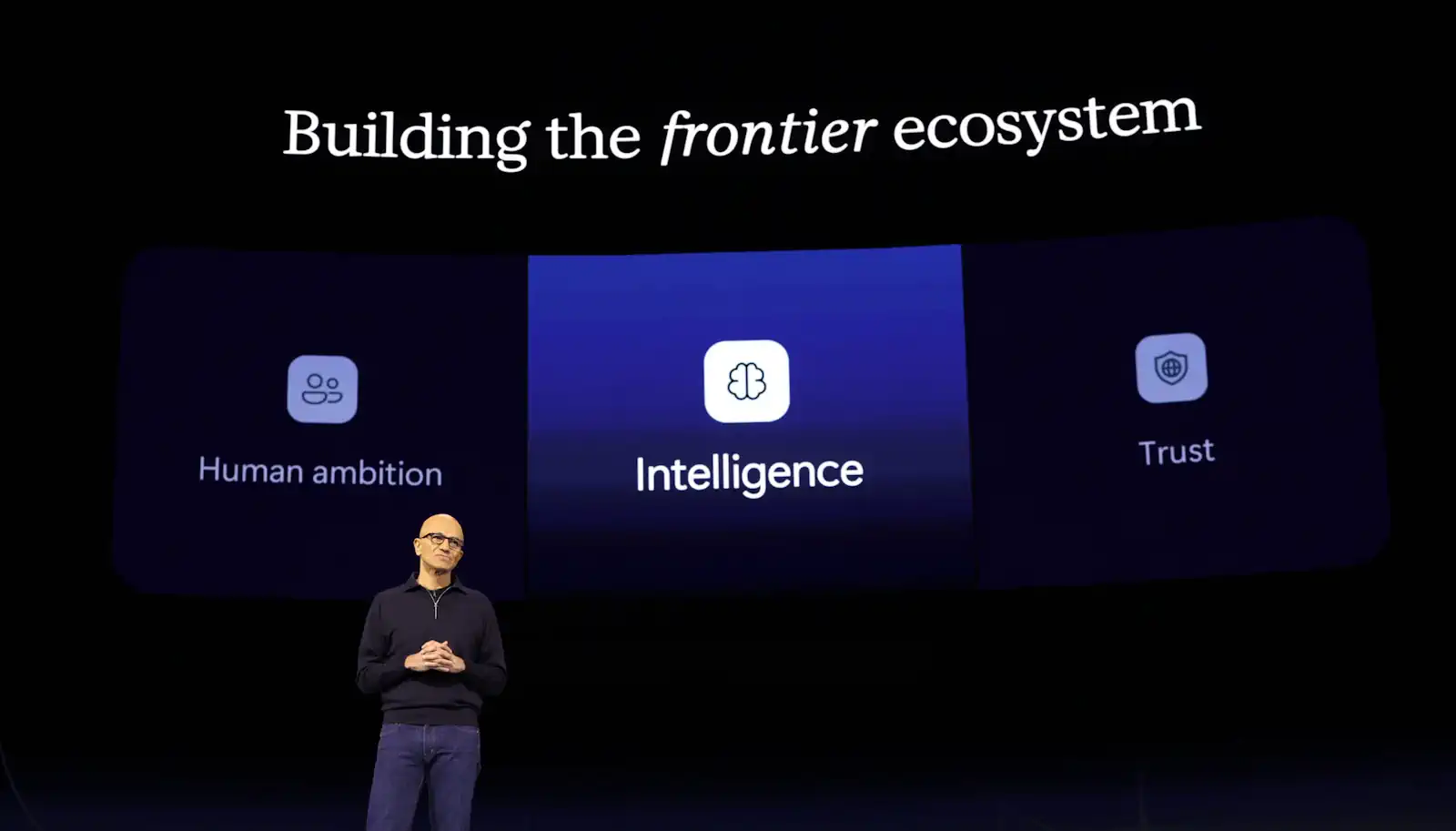
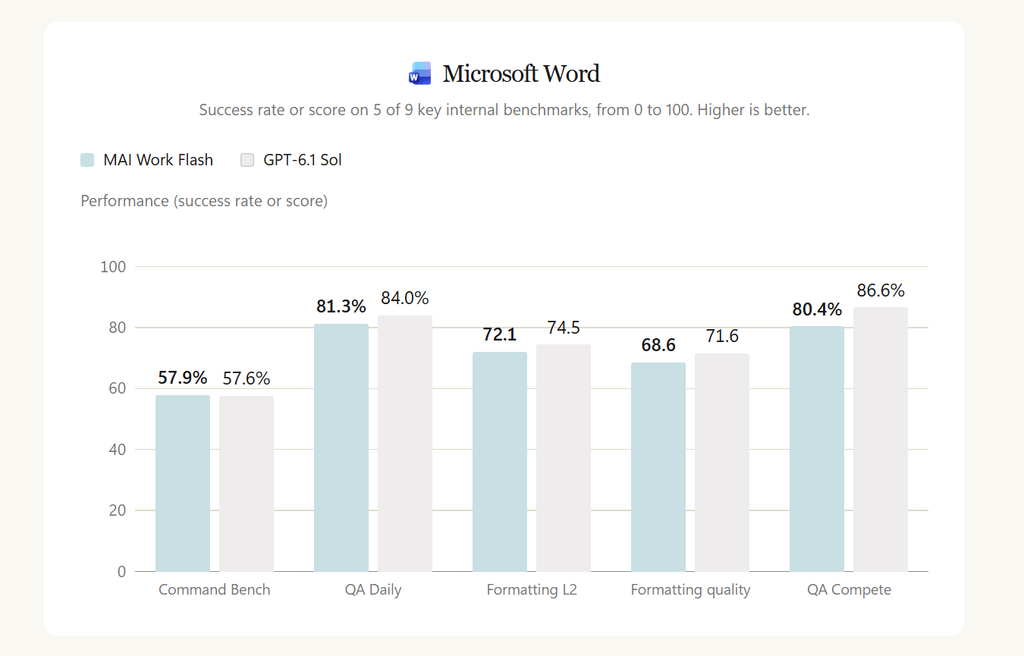
Keep that in mind with the recent launch of key models in Microsoft AI (MAI), notably MAI Code 2 and MAI Cyber 2 Flash. In blog posts, interviews and at the launch conference (Ignite 2026, see the video below), Microsoft has repeatedly made the same claims: its models are as good as rival frontier models, but much, much cheaper.
Microsoft AI: Taking the slow road
Microsoft has likely achieved that by working slower and taking advantage of a better understanding of the market, as coding and security have emerged as two areas AI could actually disrupt and impact. Beyond that, Microsoft notes that its coding models were, sensibly, built specifically for coding – this isn’t an expensive all or nothing AGI play like OpenAI’s efforts.
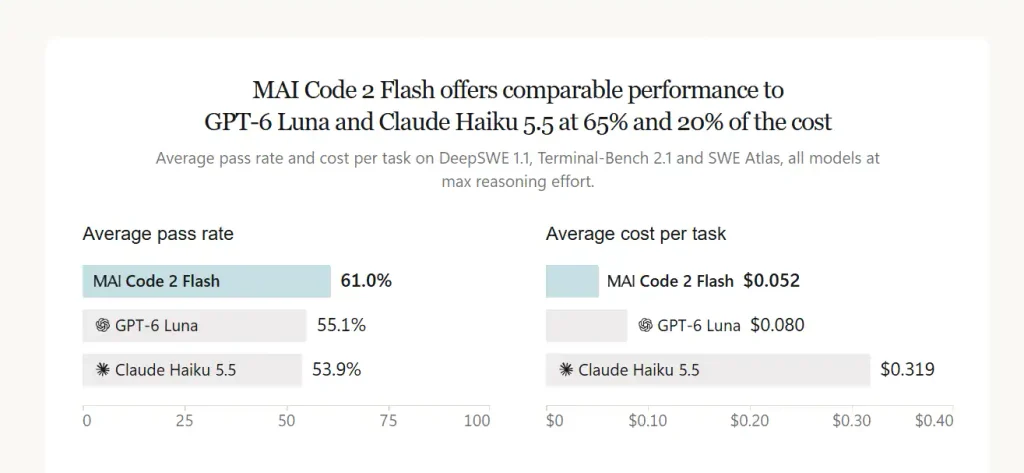
“To deliver the best price-performance, we’ve built these models to prioritize the coding work our customers do every day,” Microsoft says in a blog post about the coding models. “They’re explicitly not yet tuned for harder problems, like fundamental science research and very long horizon agentic work.”
That’s echoed on the security front: “Built on Microsoft’s decades of proprietary security data and expertise, MAI Cyber 2 Flash is our latest specialist security model. It delivers leading performance on real-world security tasks at a fraction of the cost of larger models.”
Here, the cost saving claims are bold: Microsoft has said it can match OpenAI’s GPT-6 Astra at less than 2% of its per task cost on one benchmark.
Cutting costs with AI 2.0
Mustafa Suleyman, Microsoft’s Head of AI – and formerly at DeepMind and Google, where he focused on the business and operational side of the technology – told Reuters that building AI to match specific uses cases was helping it cut costs, while on the security front the company was focusing on safeguards as well as performance.
“This isn’t just one model. It’s not a flash in the pan,” he said. “This is a system, a hill-climbing machine that we have built, which co-optimizes performance and price.”
This is all well-timed to meet rising concerns about the financial costs of AI, as well as the other costs, with OpenAI this week sued by the state of California for its agents going rogue. Trust could help Microsoft here – it’s like the old adage that “nobody ever got fired for buying IBM” – as does its existing install base.
First-mover disadvantage
Performance matters with AI, of course, but businesses need useful security and coding tools, not necessarily top end frontier models for cutting edge science.
And, companies can turn to cheaper options, be it Microsoft or open-weight models, for the bulk of their day-to-day work, choosing to pay a premium when top-end frontier-level performance is needed.
Given Microsoft’s existing install base and ubiquity across enterprises, if its MAI is truly competitive in terms of performance at this much of a lower cost, the company’s former AI partners/rivals could become the latest victims of tech’s first-mover disadvantage.
More Microsoft articles
About The Author

Nicole Kobie
NEXT UP