Trending Topics
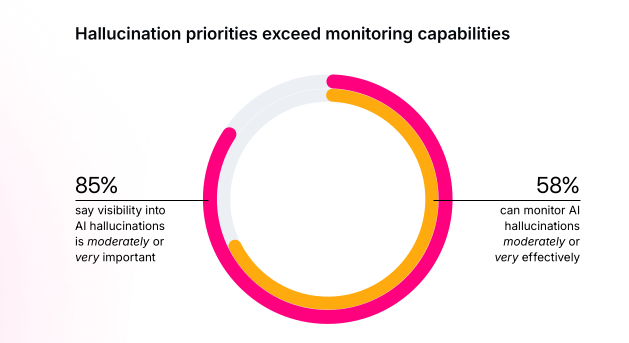
AI Agents are running the bill. Who’s watching them?
A Cisco Splunk report reveals how autonomous AI agents are creating hidden costs, security risks, and unpredictable outcomes for businesses.
Trending Topics
 Trending

Browse Techfinitive’s Cybersecurity archive for expert articles, tips, and news on protecting your digital world from evolving threats
A Cisco Splunk report reveals how autonomous AI agents are creating hidden costs, security risks, and unpredictable outcomes for businesses.
Automated tests can demonstrate that software was tested, but auditors need more. James Carpenter explores why compliance requires evidence covering test design, approval, execution and maintenance.

Acumatica 2026 R2 introduces secure MCP connections, enabling external AI tools to query ERP data under strict role-based access controls.
BT International and Netskope fuse Global Fabric and Security Service Edge to accelerate and secure enterprise networks for the AI era.

Sam Curry, CISO at Zscaler, discusses how AI is already affecting the cybersecurity industry and the professionals that work within it - and what is yet to come.
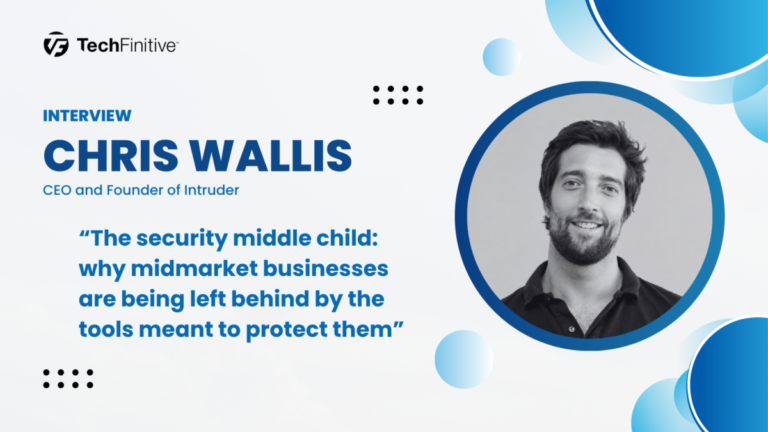
Midmarket businesses have outgrown the tools built for smaller organisations, but are still too lean to absorb the cost and complexity of enterprise platforms.
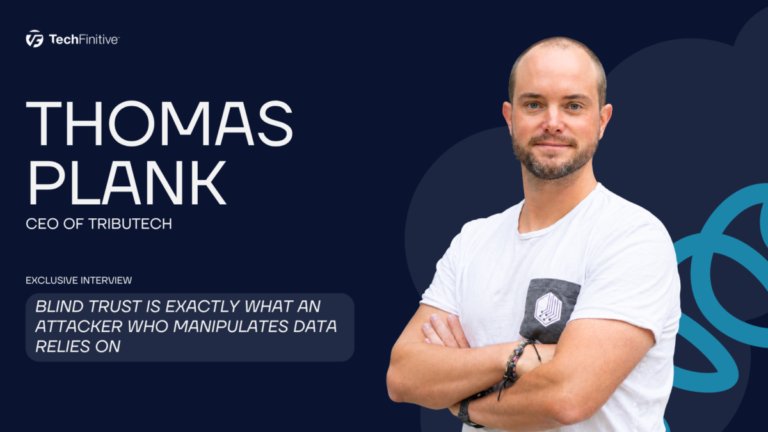
Thomas Plank, CEO of Tributech explores why operational data manipulation and AI threats pose new risks to critical infrastructure security, and how Zero Trust must evolve.

Abnormal AI expands its security suite to unify fragmented enterprise AI governance, cutting duplicate costs and closing security blind spots.
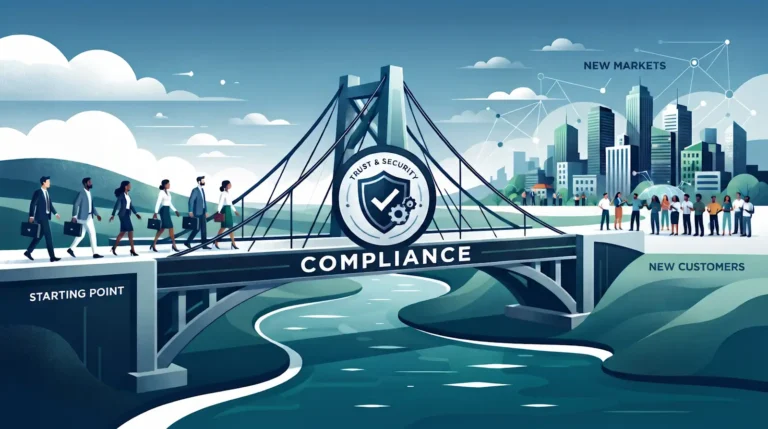
Compliance is often treated as a security responsibility, but certifications can directly affect sales, market access and growth. Rick Orloff argues for a broader, business-wide approach to compliance strategy.
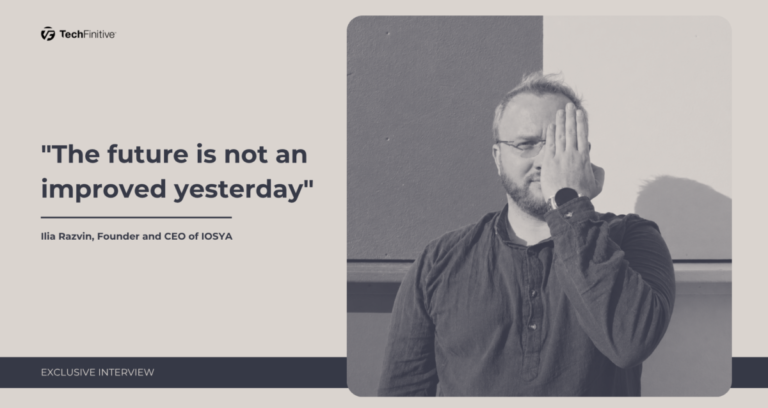
IOSYA CEO Ilia Razvin explains why AI agents fail in production and what it takes to make them reliable, traceable and accountable.

From HTTP/3 and encryption to AI and cloud computing, technological progress can solve one problem while creating another. This article explores why security risk is often redistributed.

AI reverse engineering threatens software security and IP. Learn how Thales Sentinel Envelope protects compiled binaries against threats.

High staff turnover, seasonal workers and sprawling supply chains can leave forgotten accounts behind. ASDA shows how businesses can stop them becoming a security risk

Bridewell finds popular LLM privacy policies average 20 minutes to read, with many utilizing user data for model training and posing data risks.

As AI-driven SOCs automate threat containment at machine speed, experts question the risks of mistaken actions and the urgent need for robust boundaries.

Forensic watermarking has traditionally been used to identify the source of leaks. Peter Oggel explores how its data can reveal recurring risks across complex content distribution ecosystems.

Why recovery testing, not just backup, is becoming the most valuable service managed service providers can offer to clients
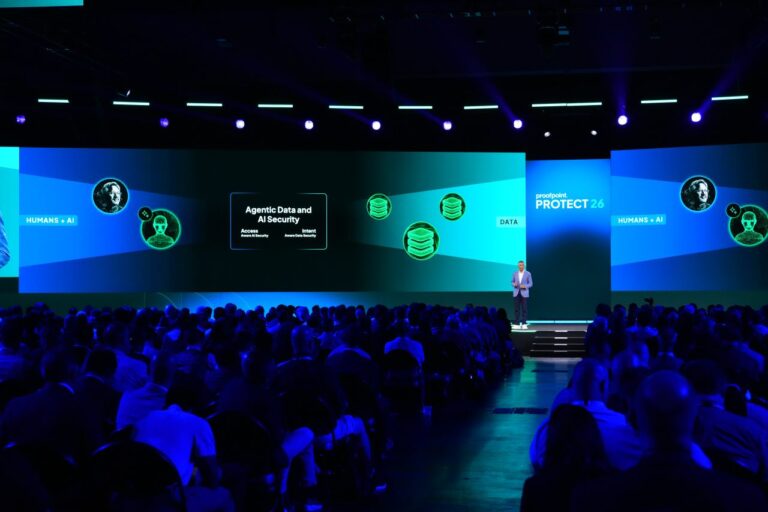
Proofpoint unveiled an agentic security system combining AI activity and data access governance to help enterprises manage emerging risks.

AI-powered attacks are changing the speed of cyber risk. Brad LaPorte argues that security teams need to measure what their controls prevent, not simply how quickly they detect an attack.
Centrii CEO Rafael Narezzi discusses battery storage cybersecurity, grid risk and why cyber resilience must become part of energy infrastructure planning.