Trending Topics

 Trending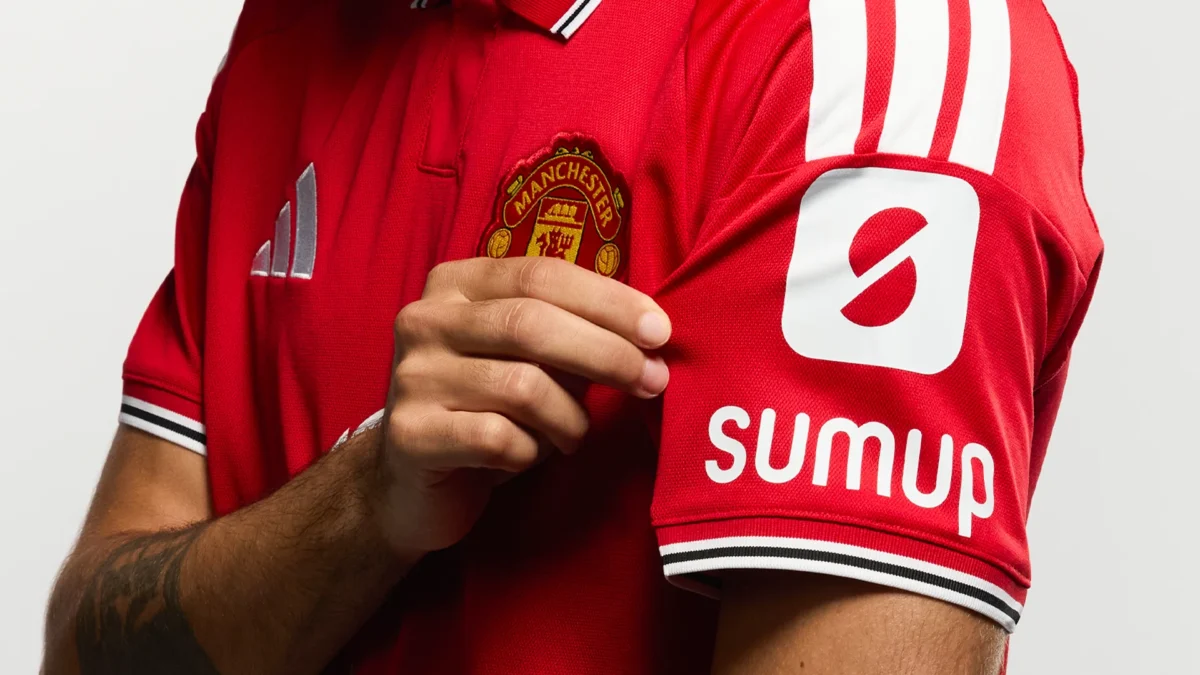
SumUp’s Manchester United deal is bigger than a logo

SumUp made its name by helping small businesses take card payments. What began as a simple card reader for small merchants in 2012 has grown into a broader payments and business-tools platform serving more than 4 million merchants across 38 markets by September 2026. Its latest move targets the financial records and tax workflows behind every transaction. Its latest move puts that platform on one of football’s most visible stages.
SumUp became Manchester United’s official sleeve partner in September, according to a report by the BBC. This was weeks after agreeing to a training kit partnership with Newcastle United. The United deal also includes plans for a co-branded payment card offering fan rewards at club outlets and participating UK businesses. This is brand-building, certainly. But the card gives SumUp a chance to connect fans, merchants and payments in ways a shirt logo cannot.
From card reader to platform
The football deals look less surprising against SumUp’s history. After its 2012 European launch, the company entered Brazil in 2013, Switzerland and Poland in 2014, and Sweden in 2015. It joined forces with Payleven and introduced the Air reader in 2016, expanded into more markets in 2017, and launched a standalone 3G reader in 2018.
Then it moved beyond the transaction.
Shoplo and Debitoor brought e-commerce and invoicing capabilities in 2019. Goodtill added hospitality POS in 2020; Paysolut, Tiller and Fivestars extended its reach into banking technology, restaurant software and loyalty in 2021.
SumUp raised €590 million in 2022 and €285 million in 2023, when it also entered Australia. A €1.5 billion private-credit facility followed in 2024.
Terminal and the Mexico launch marked 2025. This year brought Sage-powered accounting, loyalty tools and entry into Canada. As our payments comparison illustrates, SumUp now competes on more than card acceptance.
What the sponsorship must prove
Football offers reach.
It does not guarantee that a fan will use a payment card or that a local merchant will benefit. The test is whether the planned rewards make those connections useful in practice, and whether SumUp can show results beyond visibility.
The deal puts a company built around small-business payments in front of a vast audience. Turning that attention into value for small businesses is the harder part.
About The Author