Trending Topics

 Trending
Adobe Firefly 2 vs Midjourney: is there a new king of AI art?

Adobe this week released Firefly 2, a significant upgrade to its generative AI art service. A vast improvement to the quality of images generated and a smattering of new features have made Firefly 2 a serious contender to Midjourney, our favourite generative AI service until now.
Adobe Firefly 2: what’s new?
The biggest single improvement in Firefly 2 is the way the service renders faces. First-generation Firefly was frankly terrible at faces, often making people look disfigured or obviously created by AI. Firefly 2 is a huge leap forward, now creating images that are hard to tell apart from real photos.
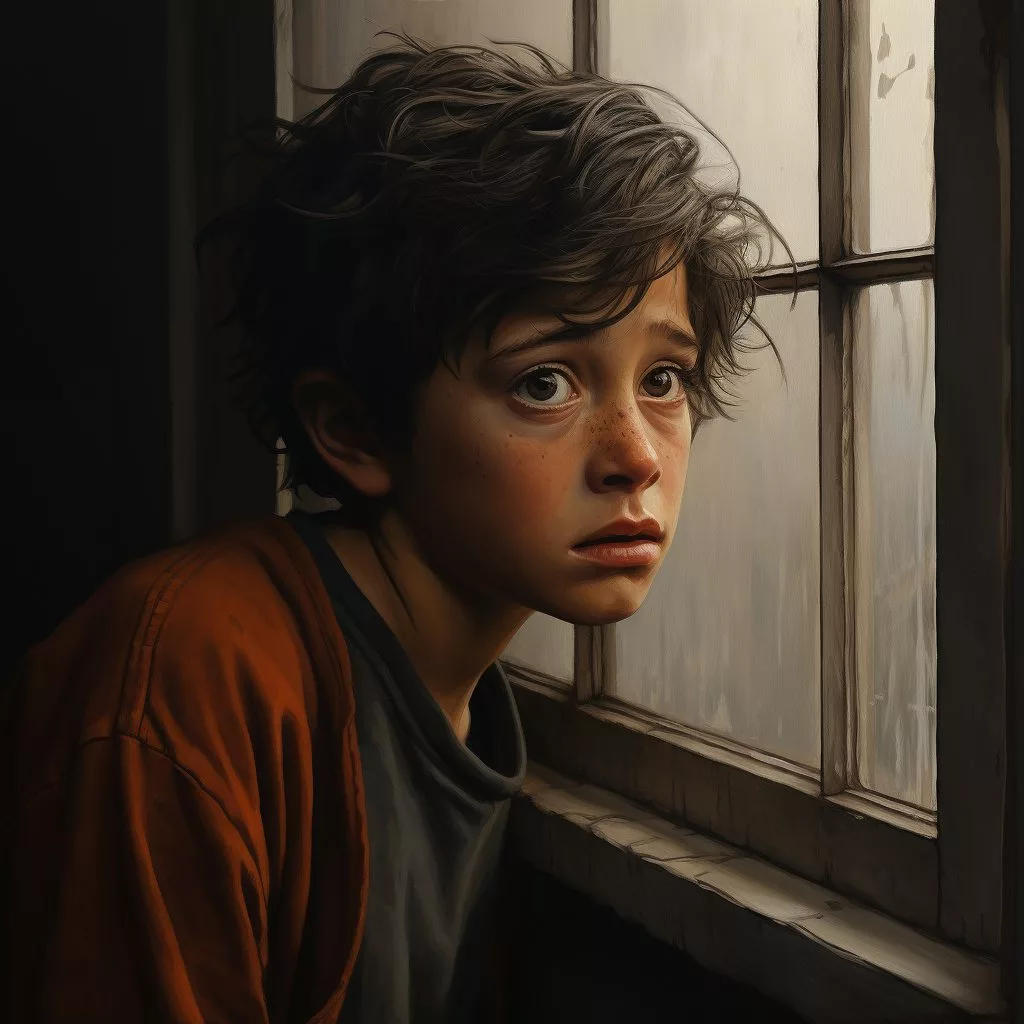
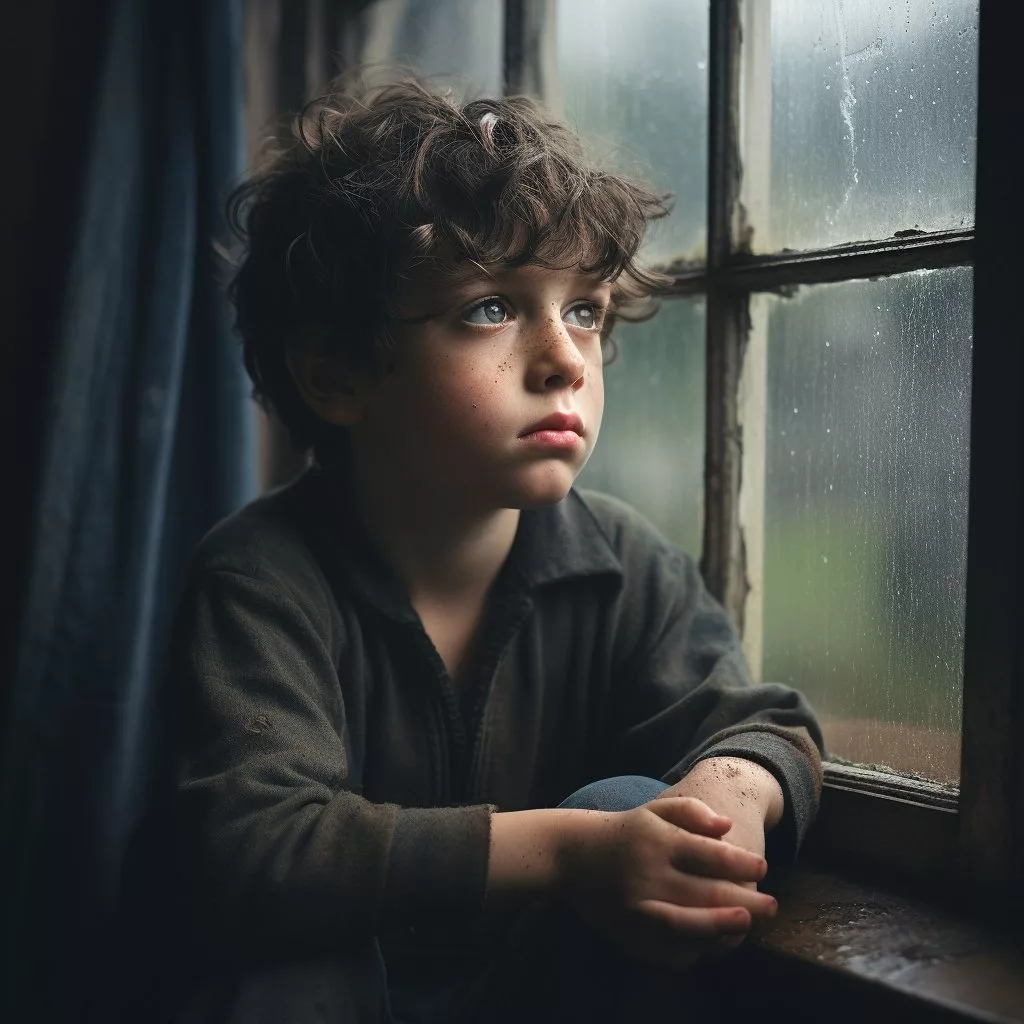
Here we asked Firefly 2 to create an image of a boy looking out of a window with a sad expression on his face, and these are the two best results:
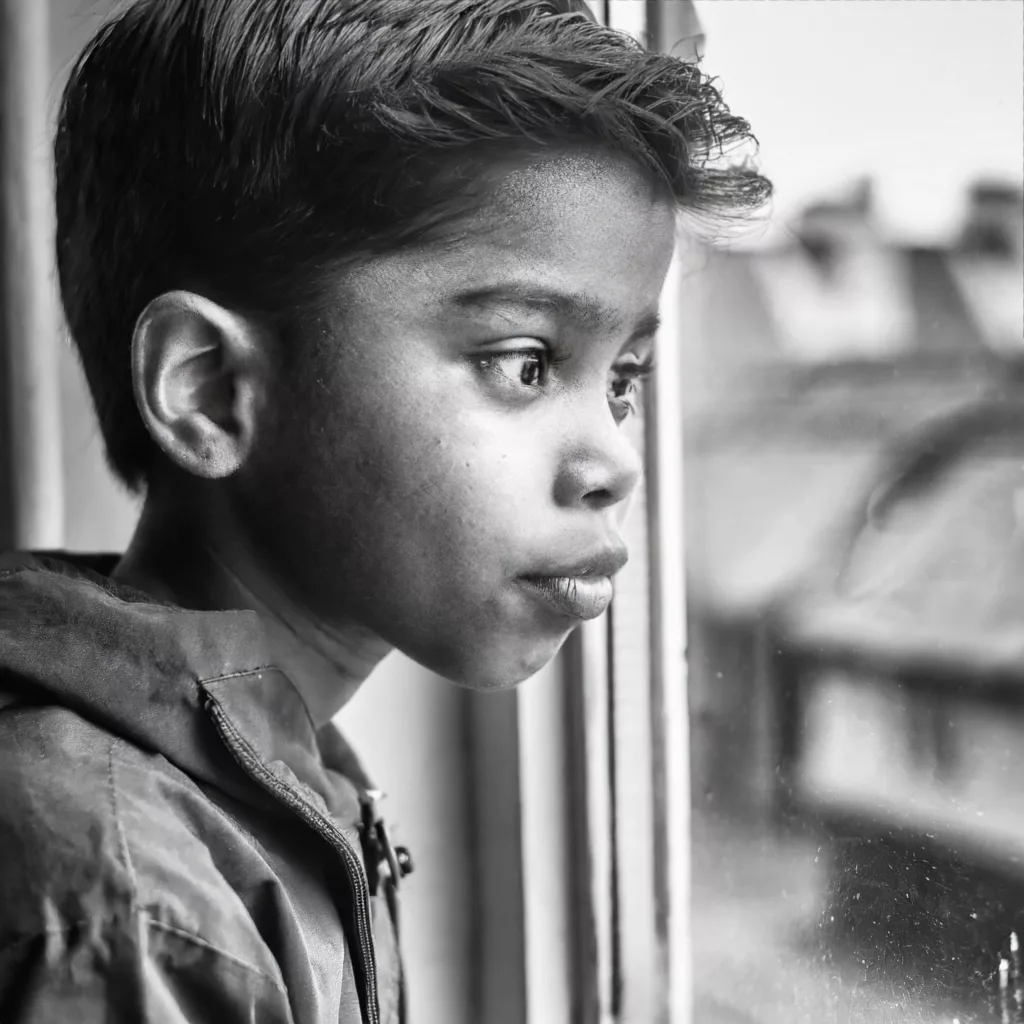
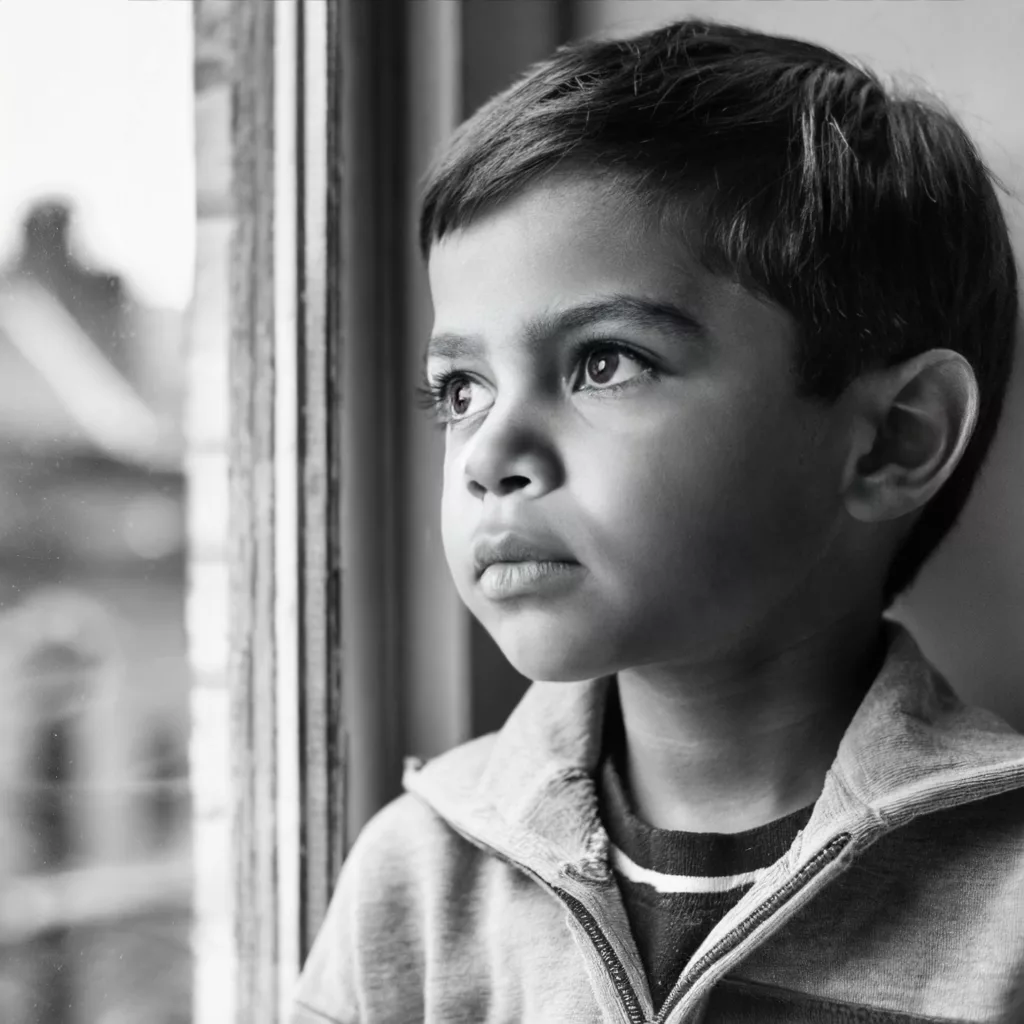
The images aren’t perfect. There’s still something not quite right about the eyes in both pictures, but they’re a vast improvement on the results you get with the previous model. Here you can see the two best results of the same prompt using Firefly 1:
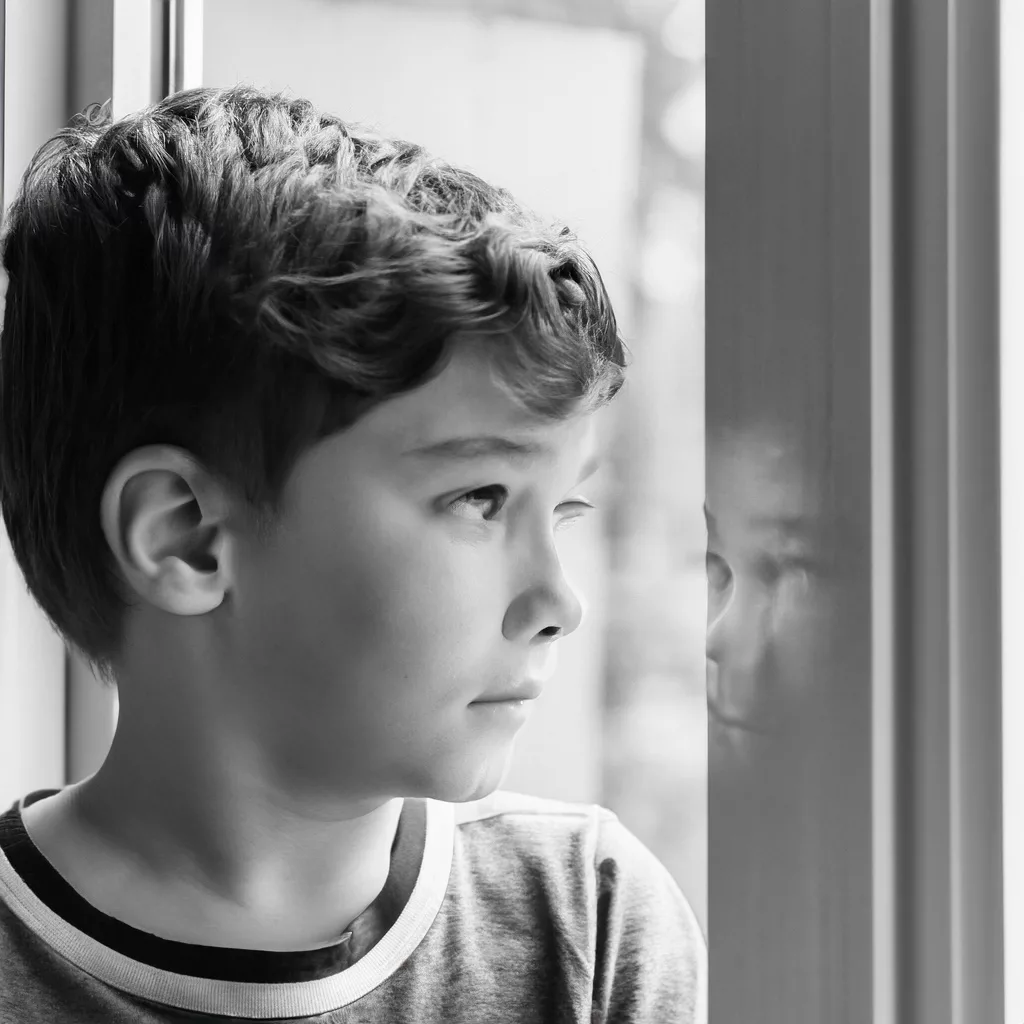
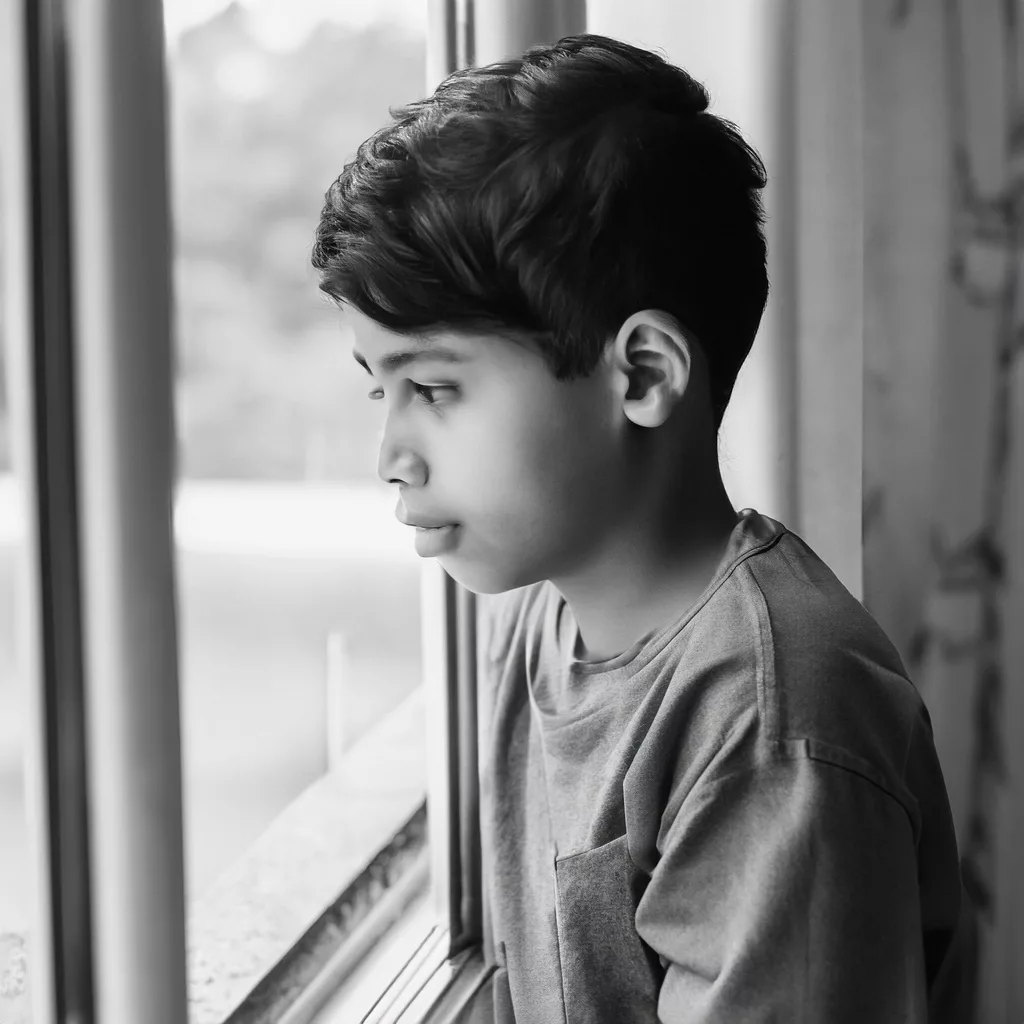
As you can see, the faces look disfigured and synthetic, unlike the much more realistic results from Firefly 2. They’ve still got some way to go before reaching Midjourney’s level of realism (see below), but they’re not far off:
Adobe Firefly 2 vs Midjourney: reference images
One of the new features added to Firefly 2 is the option to upload reference images – giving the AI a visual clue of what you want the results to look like.
To test the service, we uploaded the following image from a free photo library:
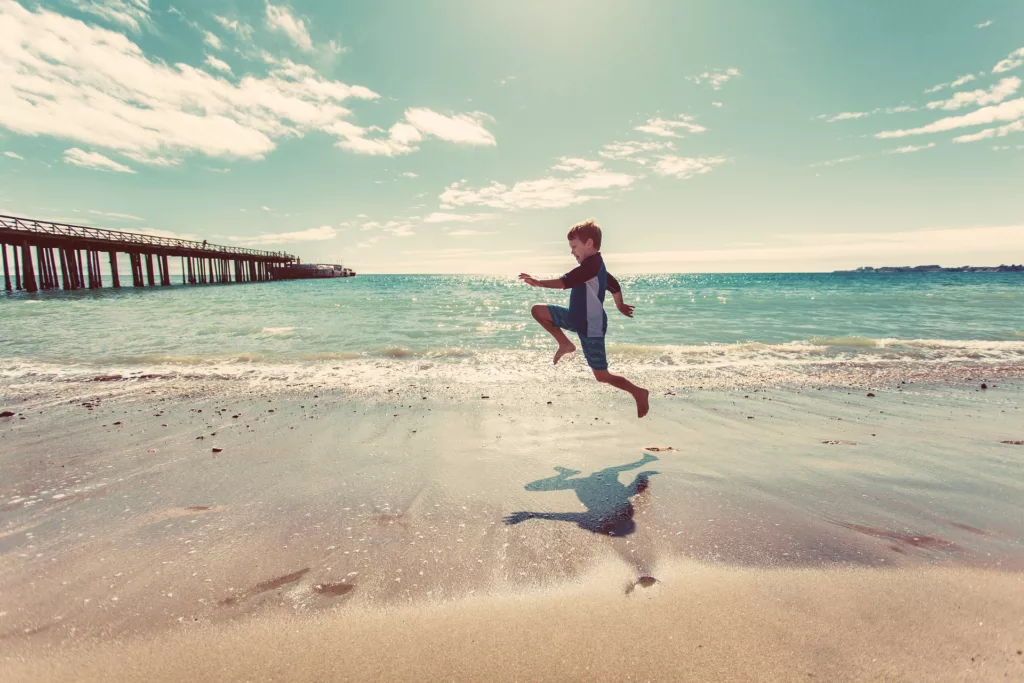
We then asked Firefly 2 to create an image of a dog running on a sunny beach in that style. Firefly 2 certainly matched the tone of the reference image, although the rendering of the dog left a little to be desired. This was the best of the four options provided:

The dog has weird markings and features, and appears to have some kind of snood wrapped around its neck. Here’s what Midjourney produced with the same reference image and prompt:
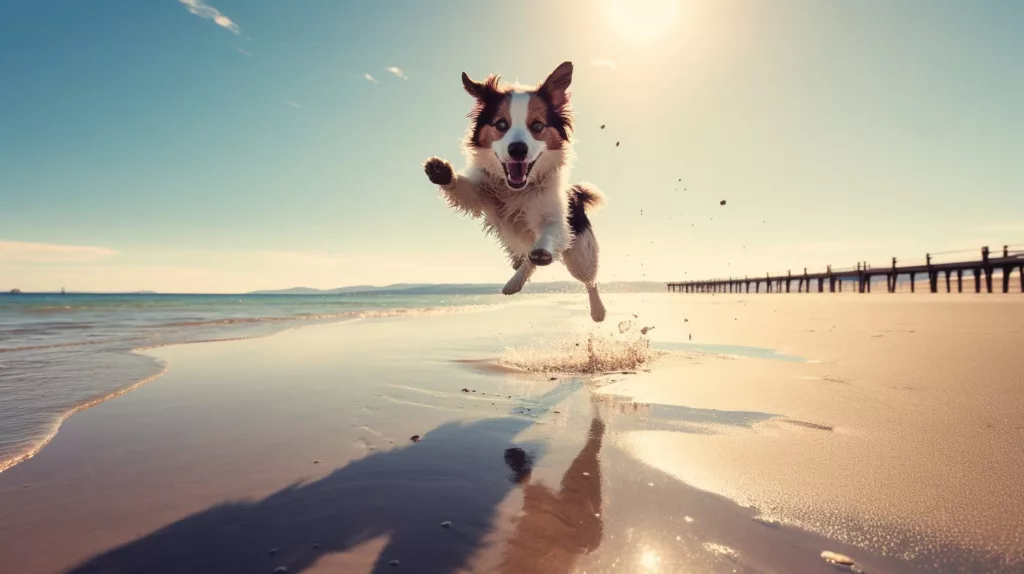
Again, not perfect, especially with the shadows, but definitely more usable than the Firefly effort.
Adobe Firefly 2 vs Midjourney: image sizes and watermarks
One area where Firefly 2 is nudging ahead of Midjourney is on file sizes. While Midjourney’s default square format images are sized at 1,024 x 1,024 pixels, Firefly 2 now delivers images at double that resolution (2,048 x 2,048). That’s starting to reach the resolution where it can be used at a decent size in print.
Adobe has also removed the massive watermarks that were present in the bottom corner of the first-generation Firefly images. When you download images from Firefly 2 it does warn that “Content Credentials will be applied to let people know it was generated with AI”, but these are stored in metadata, not as image watermarks.
That makes it much more practical to use Firefly images for your creative works, and with Adobe’s guarantee that Firefly hasn’t been trained on copyrighted images, there’s no need to worry about potential copyright infringement.
We explained more about Content Credentials in our guide to Adobe’s new CR pin earlier this week.
Adobe Firefly 2 vs Midjourney: which is best?
Despite the huge improvements we’ve seen with Firefly 2, Midjourney still has a slight edge when it comes to the really important factor – the quality of images produced. However, with much-improved rendering of faces, higher resolution images and a far simpler interface, Adobe Firefly 2 is definitely giving Midjourney serious competition.
About The Author

Barry Collins
NEXT UP


