Trending Topics

 Trending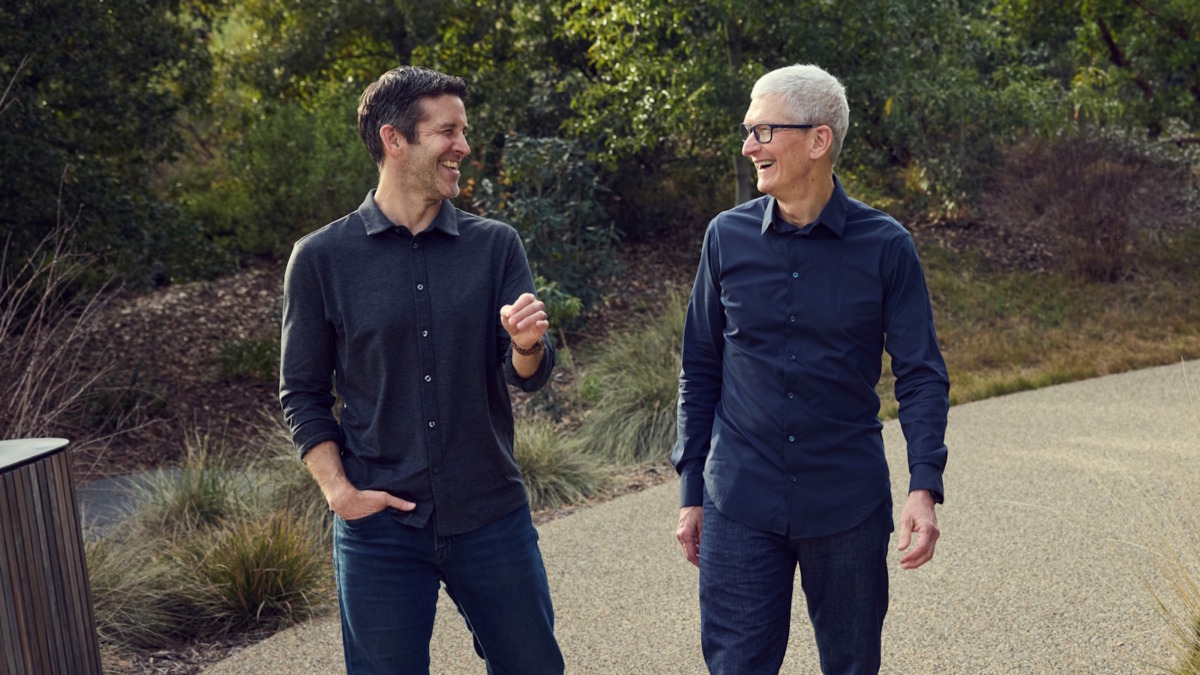
What does Tim Cook’s departure mean for Apple?

Tim Cook will step down as CEO of Apple, 15 lucrative years after taking on the job. So what does this mean for the company’s strategy? And who exactly is taking over?
Cook took over the reins in 2011, just before founder Steve Jobs passed away. Cook hands the role to John Ternus, a long-time employee who was widely tipped to be the replacement CEO. Or at least one of the front-runners for the job.
In a message to Apple fans, Cook thanked the community: “A person who grew up in a rural place in a different time and, for these magical moments, got to be the CEO of the greatest company in the world.”
When Cook landed the gig, questions were raised about his suitability as the head of operations taking over for a famously innovative company. But under Cook’s leadership Apple leapt from a valuation of $350 billion to become the first $1 trillion company in 2018. It’s now worth more than $4 trillion.
“Steve Jobs was never going to be an easy act to follow, yet Tim Cook took Jobs’ legacy and transformed Apple into a durable, resilient financial powerhouse with explosive market-cap growth,” said Forrester’s VP Principal Analyst Dipanjan Chatterjee. “Cook’s legacy will be defined by steady, disciplined operational stewardship – proof that a company can be more than just exciting and visionary; it can also be immensely valuable to all its stakeholders.”
Cook will stick around as Executive Chairman, and hands over the reins to Ternus in September. And we should note the “executive” in that job title. Clearly, Cook still wants to have a say in decisions.
Who is John Ternus?

Ternus joined Apple in 2001, working in product design on the Apple Cinema Display. He became Vice President of Hardware Engineering in 2013, where he managed the AirPod, Mac and iPad lines, eventually taking over from Dan Riccio as Head of Hardware Engineering.
The new CEO led Apple’s shift to its own silicon for the Mac, and has said he has “had the great fortune of working on pretty much every type of product that we make.”
“Ternus is a hardware engineer, which signals that Apple will seek differentiation in its physical products even as it looks to reframe the device as a substrate for intelligent experiences,” said Chatterjee. “Ternus represents a quiet pivot back toward product intimacy, a tighter coupling between hardware, software, and emerging AI capabilities.”
What does it mean for Apple?
It’s hard to say how Ternus will impact Apple. On one hand, it’s easy to look at Cook’s tenure as a steady pair of hands that grew the company’s dominance in its core product line without much real innovation
“Yet while Cook has kept Apple’s growth trajectory moving at a steady clip, he has not overseen a step-change innovation that would reset Apple’s competitive position for the next two decades, as Jobs did with the iPhone,” Chatterjee added. “For now, Apple remains structurally dependent on the phone form factor as it searches for its next growth engine.”
That’s a burden plenty of companies would love to have, with the iPhone posting sales of estimated at around 247 million devices for revenue of $209bn in 2025, making up half of Apple’s total sales.
And, of course, Ternus has been Apple’s Head of Hardware Engineering since 2021, so perhaps some of that burden for failing to invent a world-disrupting gadget should fall on his shoulders, too.
Chatterjee warned: “But he must resist the temptation of incrementalism that has plagued Apple of late and escape the iPhone’s gravitational pull in his quest for the next disruptive form factor.”
Innovation, wherefore art thou?
But where else has there been true innovation in hardware? Some might point to the Vision Pro, which has brought about a new way of interacting with computers, but commercially big questions remain. This despite other companies finding success: Meta sold over seven million smart glasses last year, Apple a quarter of a million Vision Pros. Maybe, as it doesn’t provide sales figures.
Even if it sold ten times that amount, a 2.5 million total is a far cry from the iPhone or even the iPad. These sold 58 million across 2025.
To put it bluntly, AI hardware hasn’t really arrived, home hubs like Alexa are steady, and VR is limited to key business cases and gaming.
Let’s not forget that Apple ditched its own rumoured self-driving car project. But given the high costs and as-yet limited pay off, that may prove to be a wise decision.
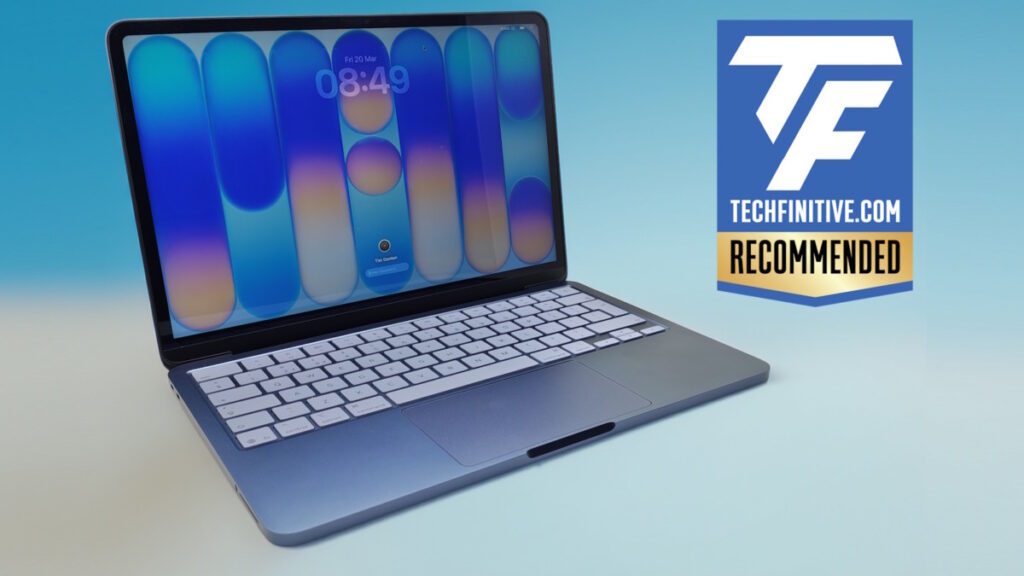
The brightest spot in Apple’s recent past is the MacBook Neo. But some would argue that this isn’t innovation but a brilliant exploitation of your supply chain. Classic Cook.
Slow on AI?
It’s true that Apple has been slow to leap on the AI bandwagon. But even that may not prove detrimental in the long run: Apple wasn’t the first smartphone company, after all, and plenty of people are annoyed at Microsoft cramming pointless, undercooked AI tools into its products. Patience may prove a virtue, even if it wasn’t intentional.
The most recent innovation at Apple has been the launch of a cheaper laptop, the MacBook Neo. While it remains early days, reviews have been positive. Can a device at this price help Apple nab a bigger slice of the education market – and perhaps businesses, too?
Time will tell, but if Ternus can’t magically invent a disruptive new hardware format, knocking a few points off Microsoft’s dominance will pay nicely, too.
Related articles
About The Author

Nicole Kobie
NEXT UP


