Trending Topics

 Trending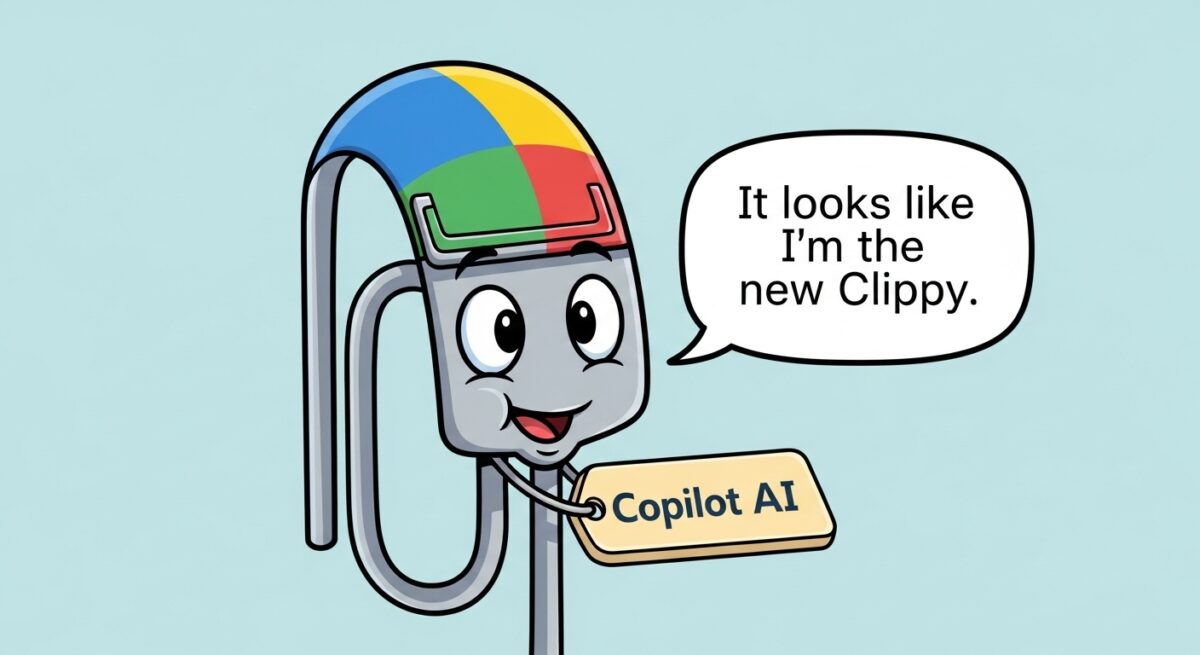
Microsoft is pushing Copilot AI hard; figures suggest users are less convinced

Microsoft’s big bet on AI isn’t paying off as smoothly as hoped, with reports suggesting users prefer rival services to the built-in Copilot.
That’s according to reporting in the Wall Street Journal, which cited internal sources as saying growth of the AI tools is stagnating – and even falling – among subscribers to its Microsoft 365 services.
Microsoft made a big early bet on AI by investing billions in OpenAI, but that partnership has faded over the past year with both companies widening their partnerships to other providers.
Before we dig into the figures, note that Microsoft disagrees with the reporting. A spokesperson told TechFinitive via an emailed statement: “We’re seeing strong, sustained momentum with Microsoft 365 Copilot with 15 million paid seats, more than 2x some of our closest competitors, and usage up more than 10x year over year.
“There is a clear pattern where customers buy, see value, and rapidly expand to deployments at true global scale.”
Opting out, by the numbers
The Wall Street Journal cites current and former employees as saying Copilot usage is struggling, even among companies paying for Microsoft’s enterprise software. Instead, workers are either not using the built-in tools or opting for rival systems.
The WSJ cited figures from research firm Recon Analytics that showed the number of AI chatbot subscribers using Microsoft Copilot as their main choice fell from nearly 19% to 12% in the six months to January, with Google Gemini adding three points over the same period.
Microsoft said at the end of last month on an earnings call that it has sold 15 million Microsoft 365 Copilot seats; that’s only for business users, not consumers. However, as many have noted, its wider Microsoft 365 base is more than 450 million seats – and the WSJ report also cited Citi Research that showed only 10% of Copilot seats are being used. Microsoft disputed that claim, saying most paid-for seats are being used.
More generally, Microsoft countered that OpenAI only has 7 million ChatGPT for Work seats, Anthropic just 300,000 business customers, and Google Gemini about 8 million – so even if some Windows users are annoyed by the company’s AI efforts, they’re not all rushing to rivals.
The WSJ noted that Microsoft has previously said it has 150 million monthly active Copilot users, but that includes free users. And that figure is low compared to rivals, with Google Gemini clocking up 650 million and ChatGPT claiming 900 million weekly active users.
The report did note that Microsoft itself was reporting great uptake of AI internally, so you can’t accuse the company of not eating its own dog food.
What’s the problem with Copilot?
In short, whether there’s a problem and if so what’s gone wrong with Microsoft’s AI efforts really depends who you talk to – or what social media or posts you read lamenting the issues.
But a key few threads continually come up: forced integration that can’t be toggled off easily; confusing naming and marketing conventions; and a failure to keep up with rival AI developers’ advancements.
As many have now said, perhaps Copilot is the new Clippy – the intrusive helper that would interrupt your work without actually being helpful. But unlike with Clippy, there are rival tools that some are finding actually useful.
We’ll always have Azure
At least, as the WSJ noted, Copilot isn’t Microsoft’s only AI bet – its Azure cloud service continues to rake in the cash.
“Microsoft is struggling mightily to be a leading-edge player here and not to become the ‘utility service provider’ of infrastructure,” said Directions on Microsoft analyst Jim Gaynor, referencing Azure in a post after the results were announced. “After all, there’s no hockey-stick growth in that.”
He suggested that Microsoft may be hoping to coast on its existing user base and revenue sources to help it win the AI race, but said “the old cash cows may no longer have the juice to cover the massive costs of AI”.
About The Author