Trending Topics

 Trending

The future of workplace ethics: How leading businesses are building cultures of trust

Imagine you work at a warehouse and notice your supervisor skipped an important safety check to save time. There is a phone number on the wall to report this kind of rule-breaking or whistleblowing about any matter. But before you make that call, you want to know two things: who will see the report, and will your boss punish you by reducing your hours next month?
Employees globally grapple with this type of dilemma every day, and that’s where workplace ethics moves beyond compliance. A policy tells employees how to speak up. What happens next tells them whether it was worth the risk.
Workplace ethics starts before the hotline rings
The first person to hear a concern may be a line manager, not an investigator. Managers need to know how to listen, explain what they can keep confidential, and pass a complaint to someone impartial. Employees also need a way around the manager when that person is part of the problem. In our interview with Desana’s Carla Read, the people leader recalled having to earn employees’ trust before introducing basic feedback mechanisms at a manufacturing business. The same principle applies to building psychological safety in software teams: how managers respond to awkward questions tells employees whether candour is welcome.
Show employees what happens next
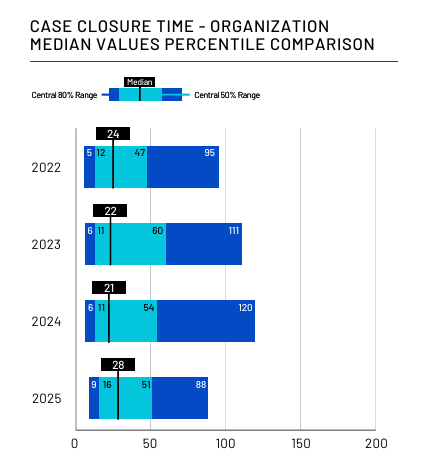
NAVEX’s 2026 whistleblowing benchmark analysed 2.37 million reports across more than 4,000 organisations. The median case closure time across organisations rose from 21 days in 2024 to 28 days in 2025, based on each organisation’s own median. But employees shouldn’t have to wait until a case closes to hear back. Acknowledge the report, explain what happens next, and keep the person informed if the investigation takes longer than expected.
The EU Whistleblowing Directive makes the distinction explicit: for covered internal reports, acknowledgement is due within seven days and feedback generally within three months. Feedback doesn’t require a completed investigation.
For multinationals, consistent protection doesn’t mean everyone must report the same way.
Unilever’s Speak Up process gives employees and external stakeholders a confidential, multilingual route, while its board committee reviews investigation trends and lessons. Companies can make those lessons visible to staff without exposing individuals: if safety reports led to a new inspection procedure, say so.
Then check what happens to the person who spoke up. If the employee who reported that safety shortcut starts losing shifts, the change isn’t automatically retaliation. But it warrants a review by someone other than the supervisor named in the report. That’s when employees find out whether the policy protects them in practice.
About The Author

Kihara Kimachia
NEXT UP