Trending Topics

 Trending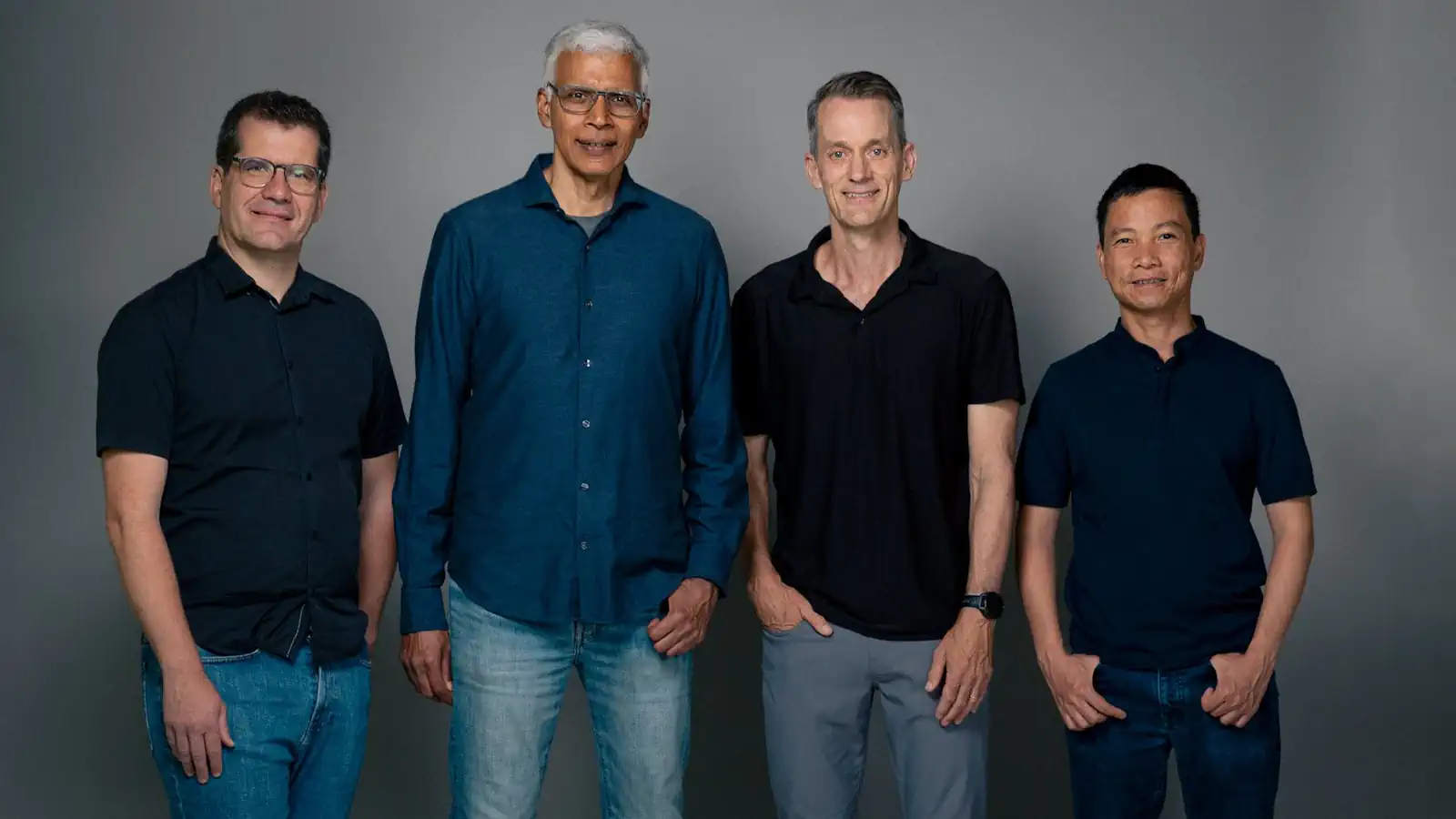
Google AI shakeup is good news for all of us

Google has lost four of its best researchers and “demoted” one of the most famous AI developers of all time. Allow me to explain why this is the best news to hit AI in a long time.
You see, these people should spend their time making AI that is truly useful to people. They should not waste it battling with Microsoft, OpenAI and Anthropic to write nicer emails, speed up coders and unemploy the consulting industry.
This week, Google DeepMind CEO Demis Hassabis stepped down/sideways to become Chief Scientist at Google-owner Alphabet, while Google lost Jeff Dean, who spent 27 years working on AI for the company, as well as a trio of his colleagues: Google Senior Fellow Sanjay Ghemawat, DeepMind Research VP Oriol Vinyals, and co-founder of Google Brain Quoc Le.
Google put on a brave face, with Alphabet CEO Sundar Pichai saying in a memo to staff: “We are at a dynamic moment with so much opportunity ahead.” And he’s not bitter: “I wish them all the best!” (The exclamation point was his.)
Applying AI to science
That quartet of now ex-Googlers departed to start a public benefit company called Discovery Loop, which aims to “automate” scientific experiments to accelerate research discoveries.
“Ultimately, we are building systems capable of taking on National Academy of Engineering (NAE) Grand Challenges – such as engineering better medicines, advancing health informatics, making solar energy economical, providing access to clean water, securing cyberspace, and engineering the tools of scientific discovery,” according to the startup’s website.
Emphasising that there are no hard feelings, honest, Google is a founding investor. But you have to wonder why this work isn’t happening underneath the Alphabet umbrella, as it’s very much the sort of thing Google used to try to do all the time. (See: Verily, Calico and other “moonshots”.)
But it’s great news, if they can make it work. Rather than shoving Gemini features into Google Docs or fixing whatever has gone so terribly wrong with AI Overviews, perhaps they can pivot to solving big problems. The ones we’ve been repeatedly told that AI will solve, be it curing cancer or mitigating the climate crisis. You know, despite the impact of data centres.
The only real question is why they weren’t working on these big problems sooner – and why they felt the need to leave Google to work on such challenges.
Getting deep with AI
The same can be pondered about Demis Hassabis’ role change. Hassabis is one of the co-founders of DeepMind, which Google bought for half a billion dollars 12 years ago. He was awarded a Nobel Prize in 2024 for co-creating AlphaFold2, an AI model for modelling protein structures.
Hassabis has repeatedly made clear in interviews that what he cares about is science. In a recent book about Hassabis and DeepMind, the researcher tells interviewer Sebastian Mallaby that “science is where AI does unequivocal good”.
And there he’s correct. When AI is used to displace jobs and cut the bottom line, the costs feel high – and they are, even if all we consider is the expensive and damaging rollout of infrastructure such as data centres. But if those data centres are used to cure cancer, mitigate climate change or solve global poverty, we will undoubtedly stop protesting against them quite so passionately. Using AI for good – for real good – would take the wind out of such debates.
But that’s not what Hassabis has been working on. Instead, he told Mallaby that creating his Nobel Prize-winning AlphaFold “scratched that itch”, and he was happy to spend his time making AI assistants (I may be paraphrasing). Clearly that wasn’t entirely true. Hopefully Hassabis wins many more prizes for solving intractable issues, using AI or not.
Big tech and the bottom line
Hassabis is still at Google, of course, but he’s been taken off the day-to-day operations of DeepMind to let him get on with what he does best: pondering AGI and solving difficult problems. Again, the question is why one of the AI greats of all time was playing manager.
The answer is likely money. AI is expensive and Google (and the rest) feel a desperate need to stay ahead of each other; generally, Google is deemed to not be keeping up, sparking Pichai to have to defend the company’s record last month. When you’re in an existential race, you use your best guys.
Well, Google no longer employs them all and Hassabis has been benched. But that is good news for the rest of us, who may one day suffer from one of the real-life challenges that AI could help address, if only we’d put our best and brightest to the task. Now, we have.
As Pichai said in that memo: I wish them all the best.
Related articles
About The Author