Trending Topics

 Trending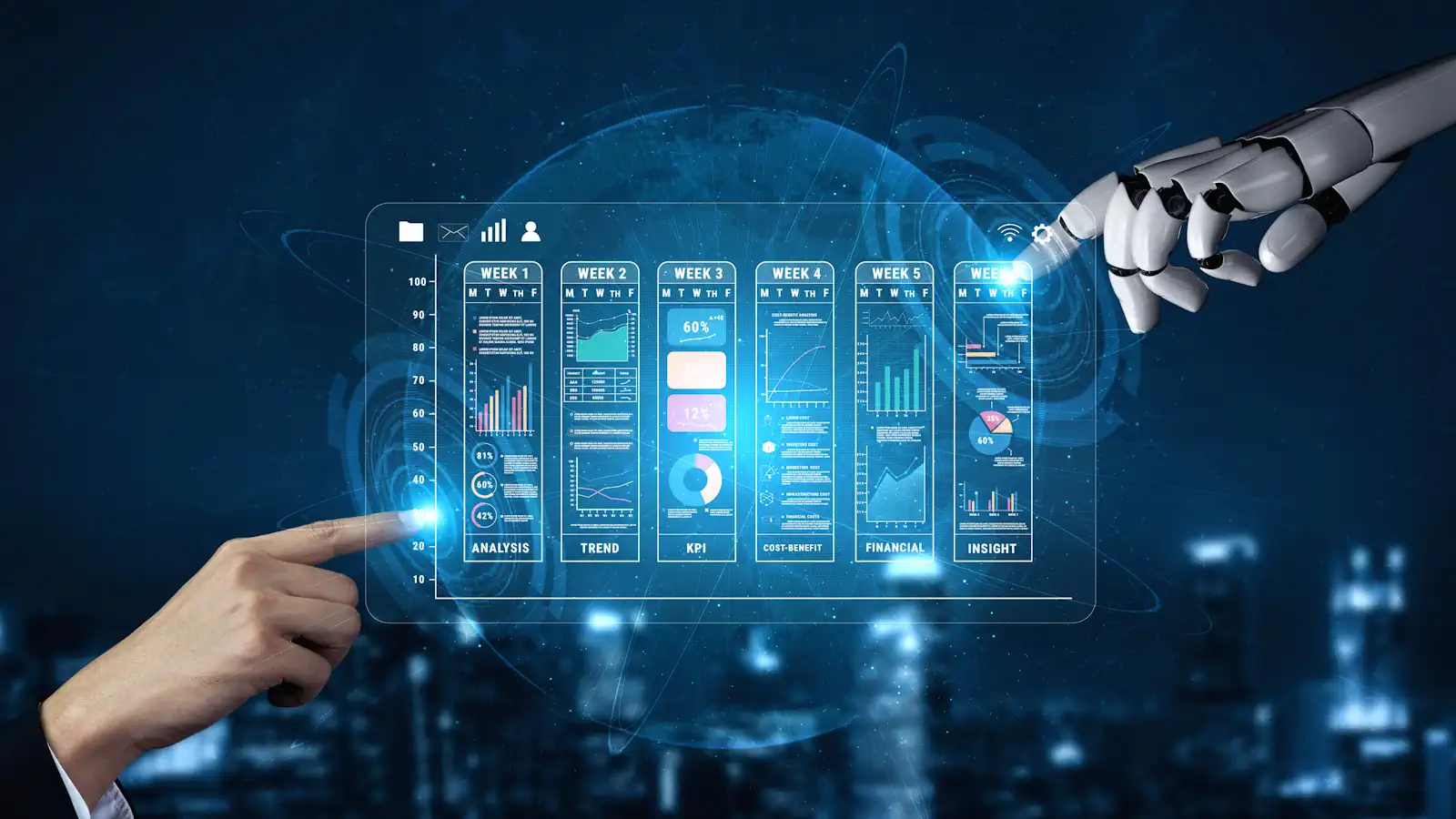
From reporting to predicting: Finance needs an AI autopilot

This article is part of our Opinions section, where we invite industry professionals to share their views on the most pressing technology questions of our time. Here, Adrian Rotchell, Vice President and Chief Operating Officer, EMEA at NetSuite, explores how AI is reshaping the future of finance and how finance teams must move beyond traditional reporting models and embrace autonomous finance powered by connected data, continuous insights and intelligent automation.
You will learn how AI can help organisations improve forecasting, strengthen decision-making and respond more effectively to changing business conditions.

I’ve spoken to many exceptional finance leaders throughout my career, enough to know that finance is capable of far more than it is often given credit for. What holds the function back isn’t a lack of talent or willingness to evolve. In fact, finance teams have spent years investing in automation and transformation initiatives.
Yet many finance functions remain constrained by operating models designed for a different era, focused on producing historical reports and explaining what has already happened. Today’s finance leaders are increasingly expected to do much more than report on performance. They help shape growth strategies, evaluate technology investments, manage risk and guide decision-making.
AI is already helping organisations automate tasks, accelerate reporting and improve operational efficiency. But the more important question is whether businesses are simply doing the same work faster or fundamentally changing how finance operates. To unlock AI’s value, finance leaders need to move beyond a ‘copilot’ approach focused purely on efficiency gains towards an ‘autopilot’ model that enables continuous insight, intelligent recommendations and more time shaping decisions.
How AI can drive, not just assist
AI is already helping finance teams automate repetitive tasks, from invoice processing and reconciliation to forecasting. These cases deliver clear productivity gains, but the next phase of adoption is about rethinking how financial insight is generated, surfaced and acted upon.
AI agents can continuously monitor data, identify anomalies, surface trends and recommend actions based on changing business conditions, helping finance teams move from periodic analysis to continuous decision support.
Used responsibly and within appropriate governance frameworks, these technologies have the potential to help finance teams become proactive strategic partners rather than reactive reporting functions.
What strategic finance looks like
The real strength of a modern finance function lies in its ability to operate with continuous visibility.
As market conditions change more rapidly, organisations increasingly need rolling forecasts, continuous planning and real-time performance insights rather than snapshots of what has already happened. The finance department of the future will continuously interpret business performance, anticipate change and help the organisation respond confidently.
Modern cloud platforms are helping finance teams achieve this by bringing together financial, operational and analytical data within a single environment. When combined with embedded AI capabilities and integrations that connect information across the broader technology estate, organisations gain a more complete and current view of performance.
The result is the ability to identify trends as they emerge, continuously monitor performance, improve forecasting accuracy and provide business leaders with timely, context-rich insights.
In some scenarios, AI-powered systems can even recommend or initiate routine actions within predefined controls and approval frameworks, whether that involves cash management, budgeting adjustments or operational planning. The goal is to reduce delays between insight and action.
The risks of standing still
The cost of relying on outdated insights continues to grow. Organisations that continue to rely on fragmented systems and narrowly focused automation risk slower decision-making, reduced visibility and missed opportunities.
But those that combine AI, connected data and strong governance can allocate resources more effectively, identify risks earlier and respond more quickly to changing market conditions. We’re already seeing examples of this in practice. Children’s audio platform Yoto uses NetSuite AI Connector Service to connect business data with external large language models, enabling workflows that previously took several hours to be completed within minutes. According to CFO Ben Averis, the result has been “real productivity gains” across the business.
At the same time, Averis stresses the importance of human oversight, with finance providing the “final check and balance” to ensure information is interpreted and used responsibly. It’s a reminder that the most effective organisations aren’t replacing human judgement but augmenting it.
This allows finance professionals to spend more time on the work that increasingly defines the modern finance function: scenario planning, capital allocation, risk management and business partnership.
Making the transition to autonomous finance
Many organisations may already have access to cloud platforms, AI capabilities and emerging AI technologies that can support a transition to financial autopilot.
The bigger challenge is organisational.
Successfully moving from reactive reporting to proactive performance management requires changes to processes, operating models and culture. Finance leaders must help the wider business understand the value of continuous insight and demonstrate how AI can support better decision-making while maintaining appropriate oversight and accountability.
Productivity gains alone do not transform finance. Real transformation comes when AI, connected data and operating models enable better decisions across the organisation.
Organisations that use AI solely to accelerate existing processes will gain efficiency benefits. Those that combine AI with connected data, integrated systems and strong governance have an opportunity to fundamentally reshape how finance operates.
The future finance function will be defined by how effectively it predicts change, manages risk, and helps organisations make better decisions. AI has the potential to make that future possible, but only when it is supported by connected data, strong governance and the expertise of finance professionals who know how to turn insight into action.
More from our Opinions section
About The Author