Trending Topics

 Trending
The future of HR: How AI is transforming workforce management

Artificial intelligence in Human Resources isn’t just for scanning resumes anymore. It’s now helping companies manage employees from their very first day on the job all the way to payday and long-term budgeting.
In its 2025 Talent Trends research, SHRM reported that AI adoption for HR tasks rose from 26% in 2024 to 43% in 2025. Adoption alone doesn’t tell us what works. For that, look at what happens when AI moves from drafting a job advert to handling a question about someone’s pay.
From the first day to payday
An onboarding assistant can answer routine questions from company policy and flag missing paperwork before someone starts. For a global workforce, this is useful when it applies to that employee’s location and contract, not a canned answer that pulls whatever is in the handbook at headquarters. As our coverage of process intelligence explains, automation works better when teams understand how the underlying process actually runs.
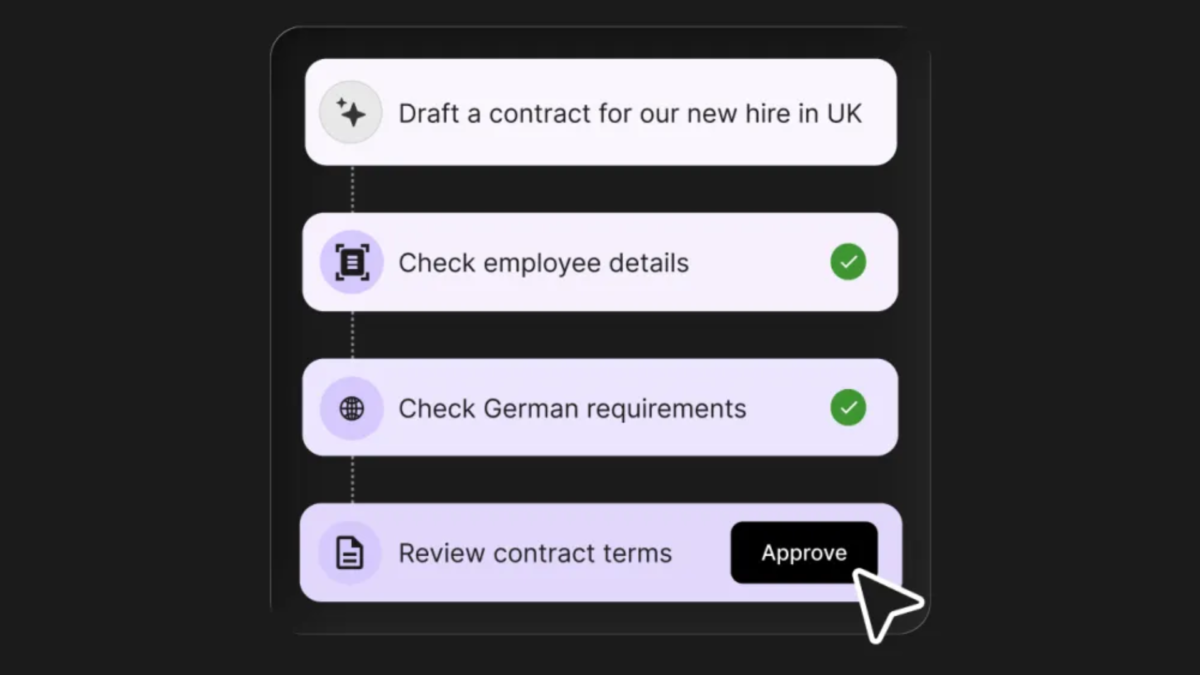
Deel brings AI into the same platform it uses to manage HR and global payroll. Its payroll agents can flag unusual changes, surface missing information, and help staff investigate discrepancies before payday. That has more utility than simply announcing that payroll is up: a reviewer can investigate whether the jump came from expected bonuses or a mistake that needs correcting before the run is approved.
From performance reviews to workforce planning
In performance management, AI can help organise feedback and surface gaps against agreed goals. But a summary can miss why a target slipped or give undue weight to the most recent comment. Managers should check the underlying evidence, and employees should be able to correct the record. That’s a practical application of the principle behind our coverage of the AI governance gap: permission to assist is not permission to decide.
The same distinction matters in workforce planning.
Deel’s AI reporting tools let HR and finance ask questions about headcount, turnover, and payroll costs using the same data. That can speed up comparisons between hiring and developing existing staff. It can’t tell leaders which option is right without knowing what the business needs next. The gain is clear: less time reconciling spreadsheets and more time making a decision people can explain.
About The Author

Kihara Kimachia
NEXT UP