Trending Topics

 Trending

AI governance in 2026: How businesses can innovate without compromising trust

AI tools can now summarise a customer complaint in seconds. But should they also decide whether the customer deserves a refund? That’s an AI governance question. The same tool can save staff time in one role and make decisions nobody can adequately explain in another. The difference lies in what the business allows it to do, who checks its work, and who can intervene when it gets things wrong.
AI governance starts before the pilot
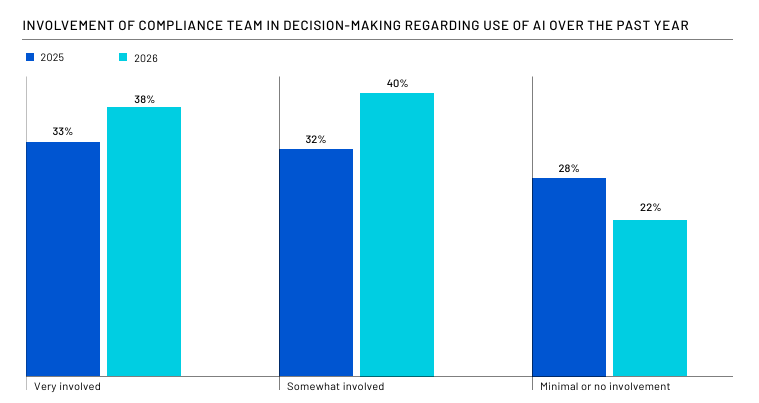
In its 2026 State of Risk & Compliance survey, NAVEX polled 1,179 respondents globally. Only 4% said they weren’t using AI anywhere in their compliance programme. Yet 22% said their compliance teams had minimal or no involvement in decisions about AI use across the organisation, down from 28% in 2025. That’s progress, but it’s also a reason to bring compliance into the discussion before a pilot becomes part of everyday work.
Start with the use case, not the model.
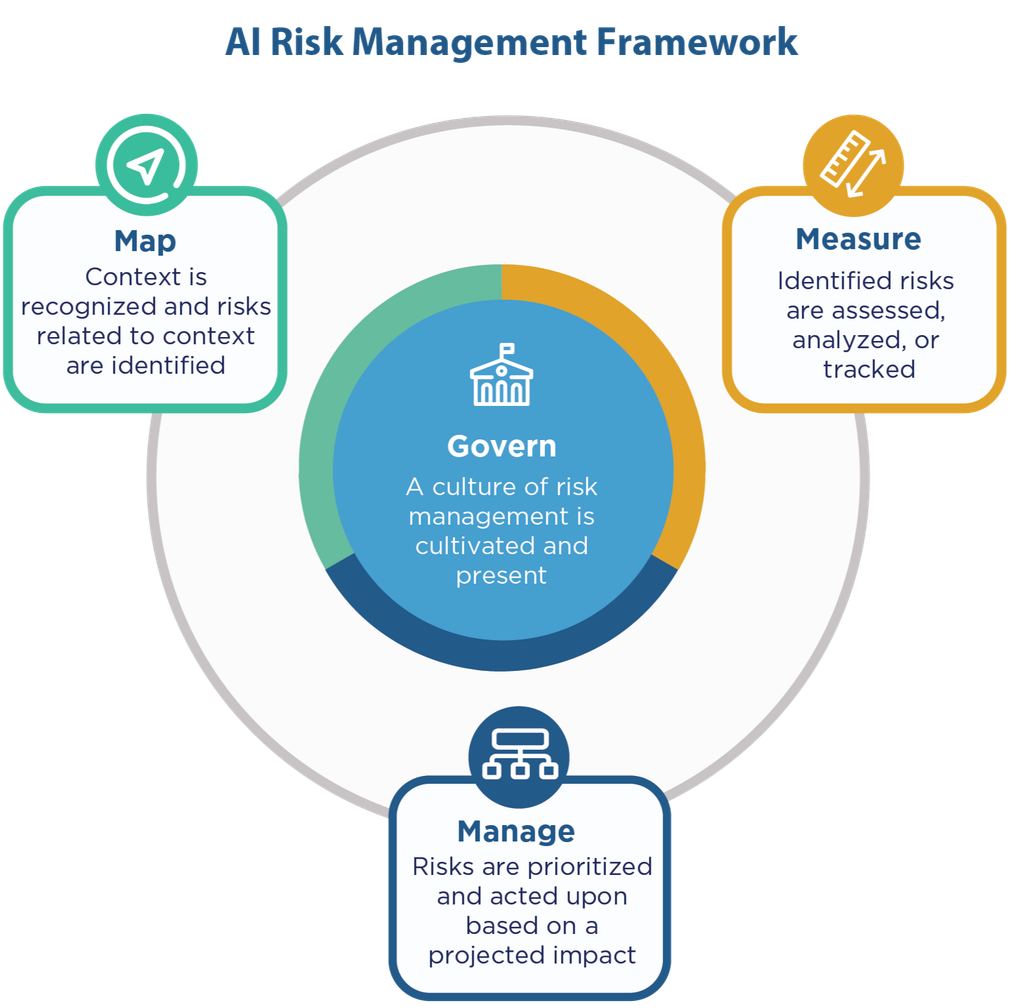
The voluntary NIST AI Risk Management Framework gives teams a way to assign responsibility, identify who could be affected, test for failures, and decide how to respond.
As our coverage of process intelligence and AI governance explains, that means understanding how work actually gets done before automating it. If nobody can say who approves exceptions today, putting AI in the workflow won’t settle the question.
Make it possible to challenge a decision
Take the refund example.
Let AI prepare a summary, but give the reviewer access to the original complaint and the authority to disregard the recommendation. Before rolling it out, test whether summaries omit details that could change the outcome. If the tool later gains permission to issue refunds, assess it again. Our examination of the AI governance gap makes clear that approving a tool once doesn’t mean approving everything it might later be allowed to do.
Transparency matters on the other side of the transaction, too.
The EU AI Act introduces disclosure obligations for certain AI interactions, including chatbots. But telling customers they’re talking to a machine doesn’t tell them how to contest a decision. Give them a route to someone who can explain it and, if necessary, reverse it.
The point of AI governance isn’t to make a drafting tool wait for the same approvals as an automated decision system. It’s to let teams move quickly where mistakes are easy to catch and correct, and demand stronger safeguards where they aren’t.
About The Author

Kihara Kimachia
NEXT UP