Trending Topics

 Trending
iPhone 17 and Apple’s environmental promises: Greenwashing or genuine change?

Apple has pledged to become carbon neutral across its entire product lifecycle by 2030, and the iPhone 17 is the latest test of that commitment. Using recycled aluminium, titanium enclosures and improved energy efficiency, Apple claims that this generation of iPhone represents a step forward in sustainability.
Behind the headline-grabbing figures, the iPhone’s environmental progress isn’t as clear-cut as the marketing suggests. Some models use more raw materials than their predecessors, raising concerns about circularity.
Does the iPhone 17 move Apple closer to its 2030 climate goal, or is it another mixed bag of progress and setbacks?
Is the iPhone 17 the most sustainable yet?
As with its predecessors, there are generational design similarities throughout the range but also manufacturing distinctions between the four handsets. Assessing which of the four handsets is the most sustainable is challenging.
Using Apple’s published figures, the iPhone 17 has the lowest carbon footprint of the range. Despite the trimmed size of the iPhone Air, Apple calculates that its manufacturing process emits the same CO2 (55kg) as the iPhone 17 in 256GB flavours, but more to create the 512GB version (64kg).
| 17 | 17 Pro | 17 Pro Max | Air | |
| 256GB | 55 Kg | 64 Kg | 67 Kg | 55 Kg |
| 512GB | 61 Kg | 74 Kg | 77 Kg | 64 Kg |
| 1TB | N/A | 93 Kg | 95 Kg | 84 Kg |
| 2TB | N/A | N/A | 134 Kg | N/A |
The iPhone 17 Pro and Pro Max are the powerhouses of the range, but this comes at a greater environmental cost. Production of both handsets produces significantly more CO2 when compared to other models with the same storage capacity, but the disappointment is the increase in raw aluminium used to build the enclosures.
The iPhone 17’s enclosure uses 85% recycled aluminium compared to only 50% inside the iPhone 17 Pro and Pro Max. This is also less than the 85% inside the enclosures of the iPhone 16 Pro and Pro Max.
Apple hasn’t stated the reason for having to increase the use of raw aluminium to manufacture the iPhone 17 Pro and Pro Max: it may be a design decision or perhaps a supply-chain consideration. Either way, it marks a backwards step in Apple’s circularity plans.
The oddity of the iPhone Air
The iPhone Air is the oddity within the range as it is brand new and there isn’t any data to make comparisons. What’s encouraging is that although Apple has substituted aluminium for titanium within the enclosure of the iPhone Air, it has achieved 80% use of recycled material. Titanium is (generally) stronger than aluminium and is harder to deform, which makes it a safer bet for Apple when producing such a slim handset as the iPhone Air.
Titanium is also more expensive to extract and refine, which means it’s in Apple’s financial interest to increase the composition of recycled titanium in the iPhone Air. Perhaps this is behind the swap from titanium to aluminium for the rest of the iPhone 17’s range.
Apple has also increased the percentage of recycled content (by weight) within the iPhone Air compared to the other handsets within the range. It seems that Apple’s reordering of the electronics within the iPhone Air allows it not only to reduce the weight and volume of the device, but to use shorter runs of PCBs, tin, copper and other material.
This figure is also influenced by the size of the battery, which contains a high percentage of recycled materials so it would be interesting to run these figures again with the batteries removed. However, with a whiff of optimism, the iPhone Air is an encouraging start.
| % Recycled content | Weight of device | Recycled content | |
| iPhone 17 | 30% | 177 g | 53.1 g |
| iPhone 17 Pro | 30% | 204 g | 61.1 g |
| iPhone 17 Pro Max | 30% | 231 g | 69.3 g |
| iPhone Air | 35% | 165 g | 49.5 g |
Is the iPhone 17 more energy efficient?
Well, it depends on who you ask. Apple’s figures state:
iPhone 17 uses at least 55 percent less energy than the energy efficiency standard.
Its declaration for the iPhone Air raises the percentage to 60%. Which is better, isn’t it?
The ‘energy efficiency standard’ is the US Department of Energy’s Federal Conservation Standards for Battery Chargers. This is a standardised test using an Apple 20W USB-C power adapter with a 1m USB-C charging cable. The efficiency is then measured at 100%, 75%, 50% and 25% of the power adapter’s rated output current. There is also a test for ‘no-load’, so the iPhone isn’t connected to the charger at all.
The figures that Apple reports are identical for all models of the iPhone 17, including the iPhone Air, so why it has been given a higher value on the box is baffling.
Interestingly, the numbers for the iPhone 17s are identical to all the declarations for the iPhone 16 and the last change, only by a percent or two, was between the iPhone 14 and iPhone 15. This is notable as it marks the point when Apple introduced a standardised USB-C charging to the iPhone from its proprietary Lightning connection.
| ♻️ Aluminium | ♻️ Cobalt | ♻️ Lithium | ♻️ Plastic | ♻️ Steel | Energy Efficiency | |
| 17 | 85% | 100% | 95% | 80% | 80% | 55% |
| 17 Pro | 50% | 100% | 95% | N/A | 80% | 55% |
| 17 Pro Max | 50% | 100% | 95% | N/A | 80% | 55% |
| 17 Air | N/A | 100% | 95% | N/A | 80% | 60% |
Note that % in columns with ♻️ do not repesent entire phone, just certain components.
Is the iPhone 17 a more sustainable purchase than the iPhone 16?
It’s really hard to tell. In stated emissions, the iPhone 17 embodies less CO2 during production (55kg vs 61kg) and this progress continues with the Pro and Pro Max versions too. This is positive.
Apple claimed that the iPhone 16 contained ‘over’ 30% recycled content, but we don’t know if that figure was 30.01% or 99.99%. The iPhone 16 claimed ‘over’ 25% recycled content, so I’ll make the presumption that ‘more than’ 25% was ‘less than’ 30%. Apple has improved the iPhone 17 Pro and Pro Max but the standard 17 is static.
As for other comparisons, the table below is a demonstration of how complicated it is to directly compare the environmental credentials of the iPhone 17 to the iPhone 16.
| ♻️ Aluminium (Enclosure) | ♻️ Aluminium (Frame) | ♻️ Cobalt | ♻️ Lithium | ♻️ Plastic | |
| 17 | 85% | Not Given | 100% | 95% | 80% |
| 16 | Not Given | 85% | 100% | >95% | 25% |
| 17 Pro | 50% | Not Given | 100% | 95% | Not Given |
| 16 Pro | Not Given | 100% | 100% | >95% | >50% |
| 17 Pro Max | 50% | Not Given | 100% | 95% | Not Given |
| 16 Pro Max | Not Given | 100% | 100% | >95% | >50% |
Another point to note is that the iPhone 17s have a ceramic shield on the rear of the model, rather than standard ‘back glass’. Apple had made inroads with the iPhone 16 SE by introducing 10% recycled glass to the rear of the device, but the change removed any mention of glass recycling from Apple’s latest reports. It remains to be seen whether the new Ceramic Shield of the iPhone 17 will be as durable or recyclable as the glass on previous models.
Apple doesn’t supply consistent data to make like-for-like comparisons between the iPhone 17 and the iPhone 16 but the data we have suggests that the new phones are a small step forward. That said, there is much less data in the 17’s report about the breakdown of CO2 figures, incomparable benchmarks within the recycled content and seemingly meaningless figures given for power efficiency. The information presented about their supply chain is particularly poor and lacking in any real detail.
What is certainly true is that the lack of standardised reporting from Apple is unhelpful and renders their data translucent rather than transparent. It is hard to tell how much of a step in the right direction the iPhone 17 makes towards Apple’s 2030 sustainability targets.
Apple versus repair
Once again, it seems that repair remains a forbidden word in Cupertino. I won’t go into the details again for the iPhone 17 but if you wish to know why you still can’t repair your own iPhone with ease, have a look at the report I wrote last year.
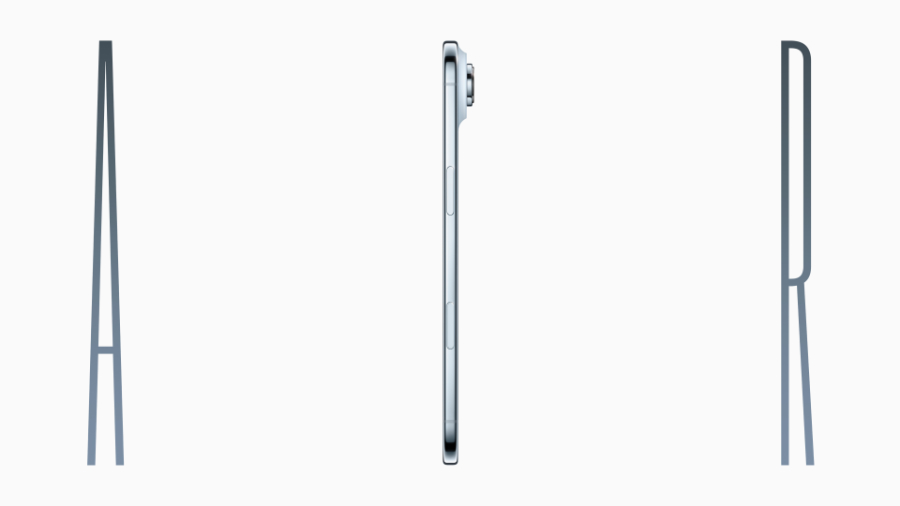
That said, the iPhone Air is different. Its slim design means that it is possible to remove the battery without removing the screen, and as someone who recently torched their wife’s iPhone 13 during a battery swap, this move saves marriages improves repairability. The iPhone Air also seems to be much easier to work on with improved modularity. A sustainable phone is a repairable phone and in these regards, the iPhone Air is making the rest of the iPhone 17s look outdated.
The EU is coming for Apple
Poor battery health remains the primary reason for the premature disposal of an iPhone. This behaviour is encouraged by Apple’s record-breaking run of 17 iterations of phones without a user-replaceable battery. The positive news is that by 2027, if the plan isn’t derailed, the EU has mandated that batteries in smartphones must be user-replaceable. Given that the iPhone 17 will sell until 2026 as the flagship model, it should mean that the iPhone 18 (to sell in 2027) will have to comply.
Will the iPhone 17 be the last iPhone without a replaceable battery? Well, at the moment, the Rubenesque Soprano has yet to fulfil her contractual obligations, but she is warming up with gusto. For those who believe that Apple is immovable on such matters, then remember that the reason the iPhones now have USB-C charging is due to the legislative power of the European Union.
Should the iPhone 17 be on your shopping list?
No. Why?
As a wise man once told me:
“Who buys new cars? Rich people and idiots”
This also applies to new phones. If you’re still buying brand-new handsets, then which of the two are you?
The refurb market has never been so buoyant and attractive, meaning that not buying new has never been simpler. For business buyers, there are plenty of companies around the world that will supply you with previous-generation handsets for a fraction of the cost of buying the new stuff. Apple also has a refurb store. The market is mature, so buyer protections, financing and insurance make refurbishment as risk-free as buying new.
However, the main reason to buy refurb is the environmental aspect. The reason that Apple publishes these figures is to justify how many resources it takes to make an iPhone and to convince investors that it’s net-zero goals for 2030 are plausible. Apple’s habit of publishing varying figures for the generation iterations of handsets is unhelpful but part of their 2030 target to reduce CO2 relies on reducing the embodied emissions within their range. The iPhone 17 takes a few steps forward, then a few back but if Apple is to hit 2030’s targets, it needs the iPhone 18 to take a huge leap towards much lower emissions.
Even with Apple’s resources, this is a phenomenally complicated thing to achieve without a degrowth strategy.
It is in Apple’s interests to sell as many iPhones to make their pile of gold larger. By not buying new and opting for refurb, we can maximise the life of the elements within an iPhone and then throw them back at Apple at end-of-life for them to recycle.
The iPhone 17 should be the last generation of Apple smartphones without a user-replaceable battery. That would automatically make the iPhone 18 a more sustainable device than any previous model.
However, the most sustainable phone is the one that you already own but if you need to replace it , then buy refurb. Apple would love you to buy a new iPhone 17, but the planet really can’t afford it.
More articles by Lee Grant
About The Author

Lee Grant
NEXT UP