Trending Topics

 Trending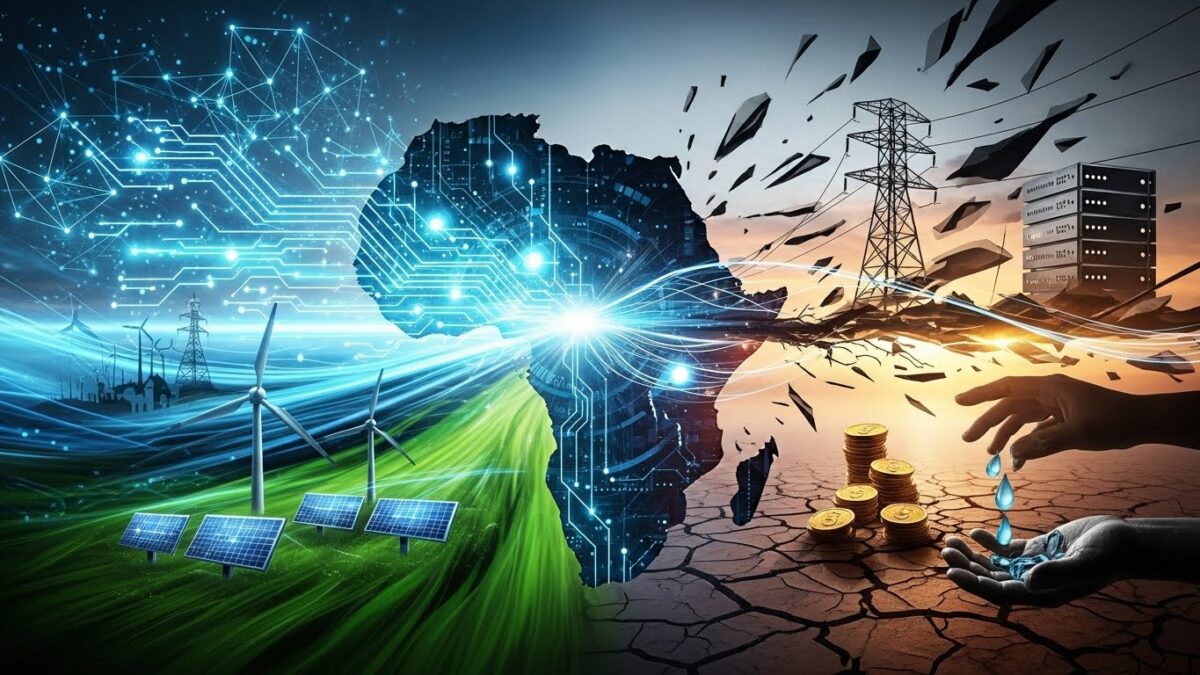
Letter from Africa: Power, capital and control remain the tech challenges in 2026

Table Of Contents−
There are reasons for optimism about Africa’s tech future, argues Kihara Kimachia, but core problems remain that could keep the continent reliant on others
In 2025, Africa’s tech landscape was exciting. From increased investment in tech startups by development finance and private equity to infrastructure projects that finally address structural constraints such as power reliability, the continent has a lot going on. But there were also a few disappointing trends.
I’ll start with the good.
Early-stage capital finally shows up
One of the biggest hindrances to tech sector growth in most of the 54 countries in Africa has been limited venture capital inflows and debt funding, especially for early-stage startups. In 2024, African tech startups raised about $3.2 billion in total funding, an almost 50% drop from 2022 and 7% drop from 2023, as the global VC downturn finally caught up with the continent.
That dynamic started to shift with the United Nations Development Programme’s Timbuktoo Initiative. Launched at Davos in January 2024, Timbuktoo’s goal is simple but ambitious: mobilise $1 billion over ten years to support 10,000 startups, scale more than 1,000 of them, touch 100 million livelihoods and create $10 billion in value on the African continent.
In 2025, that agenda moved from PowerPoint to pipeline. At July’s Fourth International Conference on Financing for Development (FFD4) in Seville, UNDP showcased new blended-finance partnerships with the likes of Equity Group, 500 Global and Nvidia, designed to de-risk early-stage African ventures with first-loss capital and guarantees.
Africa’s startup scene
Some of the startups benefitting from this changing capital climate are quietly building the kind of “real economy” tech Africa has been crying out for. In agriculture, FEED2050 is rolling out solar-powered irrigation hardware and an AI-driven WhatsApp platform that bundles irrigation, fertigation and real-time climate alerts; UNDP data suggests the system can cut water losses and diesel significantly for smallholder farmers.
In health and consumer protection, Nigeria’s Chekkit uses mobile authentication, AI and blockchain to help brands and regulators track products along the supply chain and protect consumers from counterfeit medicines and FMCG goods.
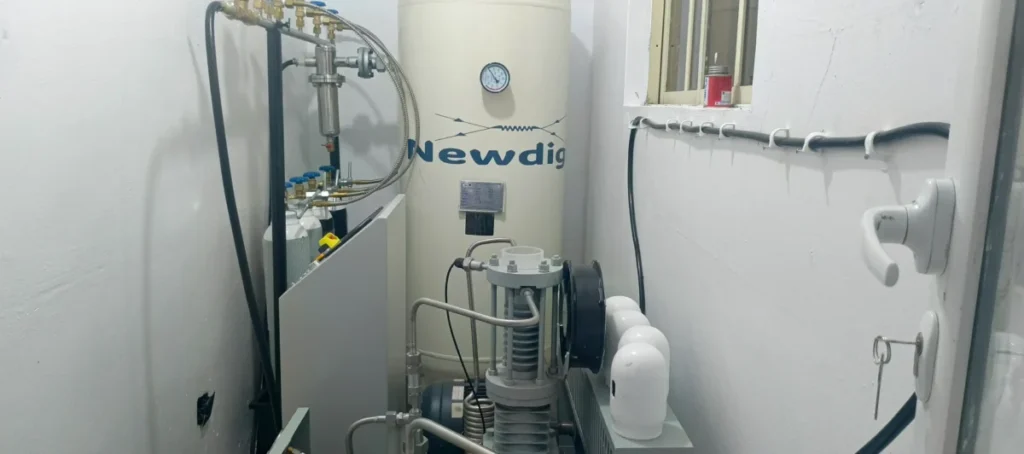
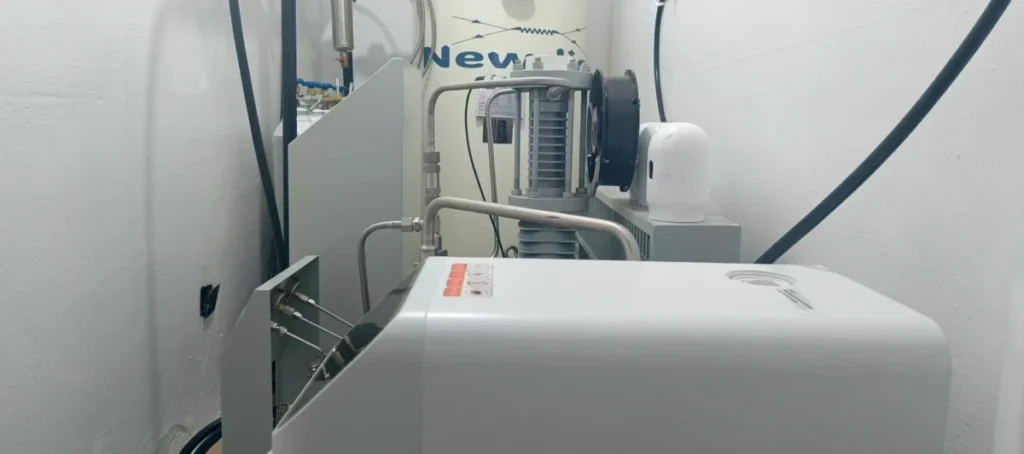
And in clean energy and health, Newdigit’s “Just Add Water” system combines solar PV with regenerative hydrogen fuel cells and electrolysis to turn dirty water into electricity, medical-grade oxygen and clean drinking water. In doing so it provides reliable low-kilowatt of power, plus oxygen and deionised water to off-grid hospitals and surrounding communities.
These are not the kind of companies that chase vanity metrics. They quietly move the needle on food security, supply-chain integrity and resilient healthcare – and they need exactly the sort of patient capital Timbuktoo is trying to crowd in.
The unicorn club
At the very top of the pyramid, Africa’s unicorn club inched forward. By March 2025, the continent counted nine tech startups valued at over $1 billion, with the majority in fintech. Names like Flutterwave, Wave, MNT-Halan, Tyme and Moniepoint underline just how central digital payments and credit rails have become to Africa’s tech story, even if unicorns still represent barely 1% of the global herd.
If you wanted to feel that energy in person, you spent much of 2025 on planes.
In May, the Africa CEO Forum in Abidjan once again played its “Davos for Africa” role, bringing together more than 2,000 CEOs, investors, heads of state and development financiers from over 75 countries under a simple question: can a new deal between African states and the private sector unlock faster growth? The fact that scale-ups and early-stage founders now sit on the same panels as pension funds and central bankers is a sign of how far the conversation has moved.
Powering the revolution: dams and data centres
The other major newsworthy development was in infrastructure. For the past few years, there has been significant investment in public infrastructure projects. But 2025 deserves special mention because of the impact recently completed green energy projects will have on solving power reliability issues.
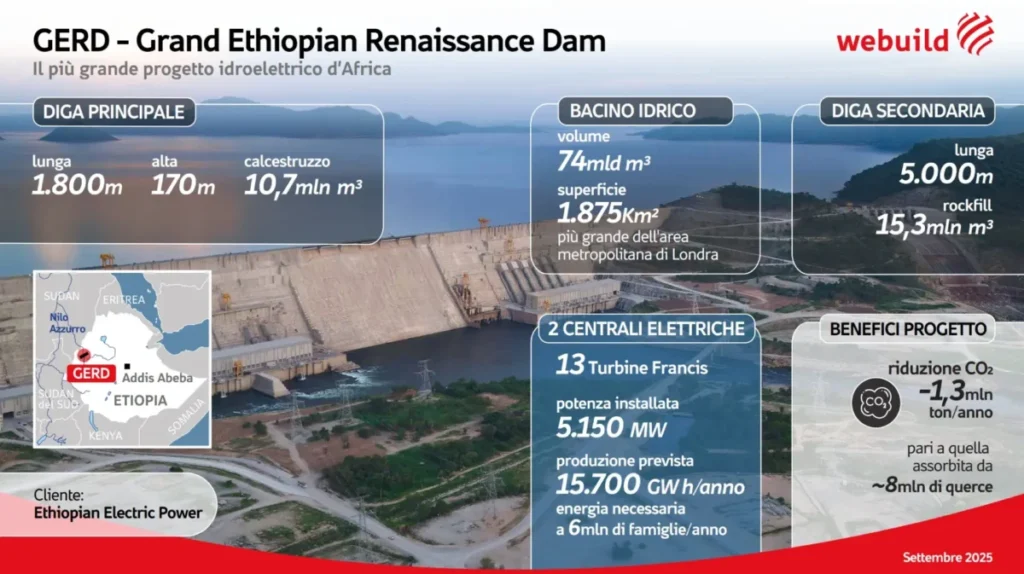
The best example is the Grand Ethiopian Renaissance Dam (GERD), which was officially inaugurated on 9 September 2025 after the final construction phase brought total installed capacity to about 5,150 megawatts (5.15GW). With that, Ethiopia effectively doubled its national generation capacity and positioned itself as a future power exporter to neighbours such as Kenya, South Sudan and Djibouti.
Elsewhere, progress was less about turbines already spinning and more about finally lining up the politics and finance for future baseload power. In the Democratic Republic of Congo (DRC), the vast Grand Inga scheme, with hydropower potential of around 42,000MW (42GW) at full build-out, stayed on the drawing board, but 2025 delivered more movement than we’ve seen in years.
Inga 3 (Grand Inga hydroelectric project)
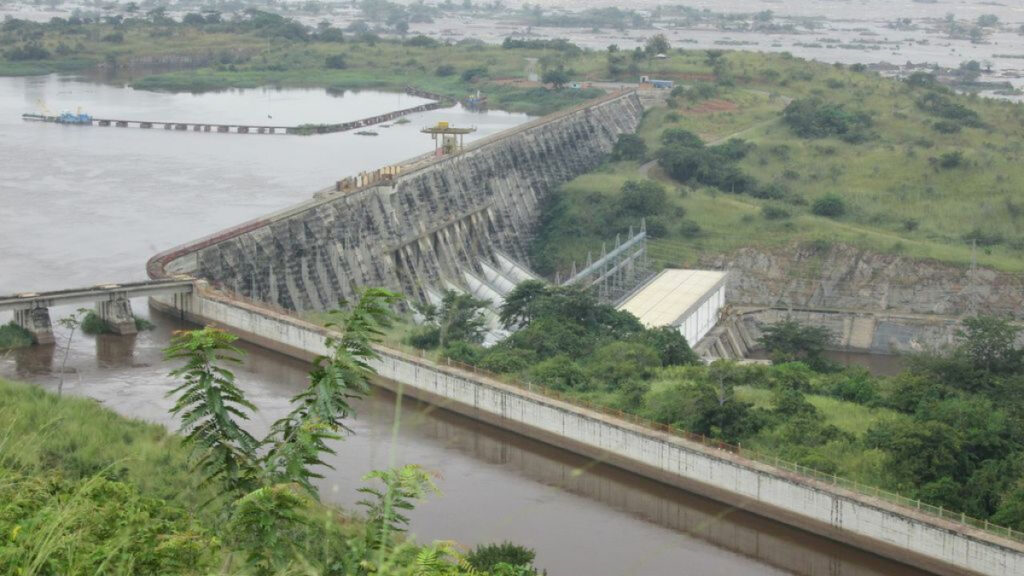
In June, the World Bank approved a $250 million IDA credit as the first phase of a planned $1 billion Inga 3 Development Program, explicitly framed as laying the foundations for the sustainable development of Inga 3.
The World Bank’s own factsheet now describes Inga as a core pillar of the DRC’s ambition to become a “climate solutions country”, using massive hydropower and rainforest conservation to power green industrialisation rather than more diesel generators.
And just days ago, Kinshasa and Washington signed a new Strategic Partnership Agreement that folds Grand Inga into a broader package on minerals, energy and infrastructure.
The deal commits the United States to support major infrastructure investments in the DRC, explicitly including the Grand Inga hydroelectric project, as part of efforts to expand clean electricity supply for mining, mineral processing and industrial development.
If even a fraction of Inga’s potential is realised under those terms, the DRC could end up exporting not only critical minerals, but also gigawatts of low-carbon power to a region that badly needs climate-responsible baseload energy.
Power plays
Why are these power projects important? Because reliable, affordable electricity is the entry ticket for Africa to participate fully in the next wave of the tech revolution. It is “a prerequisite for the economic transformation of economies in Sub-Saharan Africa (SSA), especially in the digital age”, one World Bank document notes.
You can see it most clearly in the data-centre market. Data centres form the backbone of digital transformation, underpinning everything from AI and blockchain to cloud computing, e-commerce, advanced manufacturing and high-performance computing.
Yet Africa accounts for less than 1% of global data-centre capacity. Unreliable power remains one of the top reasons investors hesitate to build hyperscale facilities outside a handful of markets.
Africa’s skewed AI boom
Now let’s move on to the not so bad. While initiatives such as Timbuktoo are great, funding in certain sectors remains skewed to a handful of geographic regions. AI is a case in point.
As of June 2025, 159 AI startups across Africa had raised external funding totalling about $803 million, according to StartupList Africa. That’s impressive growth from almost nothing a decade ago, but it’s still less than 1% of the $100–130 billion in global private AI investment recorded in 2024 alone.
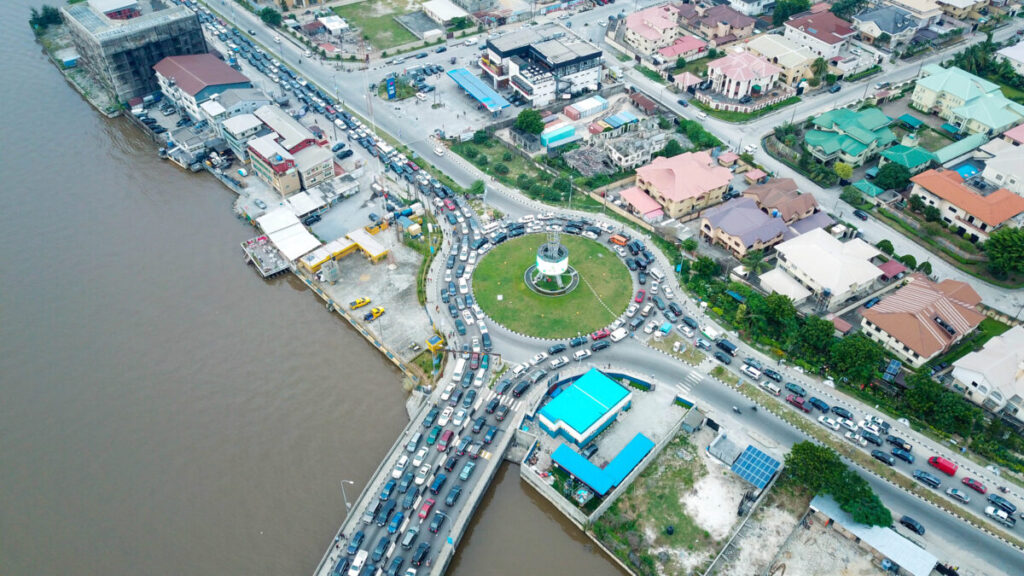
More worrying is how concentrated that money is. Almost all of it goes to a small group of hubs: countries like Kenya, Tunisia, South Africa, Egypt and Nigeria dominate the deal tables, while the rest of the continent fights over crumbs. If you are building an AI company in Francophone West Africa, Central Africa or the Sahel, you are swimming against a strong capital current.
There is also a sector skew. Much of the funding chases fintech and consumer applications that can show quick revenue, while relatively little goes into deep-tech infrastructure, foundational models or AI for critical public services. Without serious investment in compute, data infrastructure and research-heavy ventures, Africa risks becoming a permanent customer rather than a co-author of the AI era.
Add this to the data-centre gap, and you get a familiar picture: a continent that talks a lot about AI, but still runs most of its workloads on servers in other people’s jurisdictions, under other people’s rules.
Surveillance, shutdowns and digital fear
I would be remiss if I didn’t point out the bad and outright ugly in 2025. The use of technology to crack down on political dissent took a worrying turn.
A series of reports on East and Southern Africa documented the rapid expansion of AI-powered surveillance: facial-recognition CCTV networks, biometric ID systems, SIM registration databases and commercial spyware deployed by state and private actors in countries including Kenya, Uganda, Rwanda, Ethiopia, Zimbabwe, South Africa and Malawi. These systems are often rolled out with limited legal safeguards or transparency, creating a quiet but pervasive form of tracking that chills speech long before anyone is arrested.
On top of that, internet shutdowns continued to be used as a blunt political instrument. Despite an African Commission resolution in 2024 urging governments to stop cutting access during elections and protests, the practice persisted into 2025, with several African countries resorting to nationwide or targeted mobile-data blocks at politically sensitive moments.
Even in countries celebrated as digital darlings, the mood darkened. In Kenya, there have been reports of abductions and intimidation of online activists and journalists by government agents, politically motivated content takedowns, creeping surveillance powers in cybercrime laws and attempts to shut down live broadcasts or parts of the internet during protests.
In Rwanda, pro-government propagandists used “Large Language Models (LLMs) to mass-produce synthetic messages on social media, simulating authentic support and suppressing dissenting voices”, according to the Collaboration on International ICT Policy for East and Southern Africa (Cipesa).
Uganda’s “safe city” CCTV network, Ghana’s expensive smart-city surveillance programmes and similar projects elsewhere also came under renewed scrutiny as civil-society groups argued that facial recognition and mass CCTV deployments have outpaced privacy protections almost everywhere on the continent.
Why digital fear matters
For Africa’s tech ecosystem, this is not a side issue. Startups cannot raise capital or build global products in an environment where connectivity is unreliable, encrypted communication is suspect, and founders worry that the same tools they build to fight crime or improve public services might be repurposed for digital authoritarianism. The same infrastructure that powers fintech, AI and e-commerce can also power political repression.
From where I sit, the story of African tech in the next decade won’t just be written in pitch decks or dam blueprints. It will be decided in the less glamorous trenches of regulation, energy policy and digital rights. And that, more than the occasional unicorn headline, is what I’ll be watching next year.
As we head into 2026, the questions for Africa’s tech story are no longer just about who can raise capital or plug into the grid, but who ultimately controls the levers. Power, capital and control are all in motion; the next 12 months will tell us whether they align in the continent’s favour.
More articles by Kihara Kimachia
About The Author

Kihara Kimachia
NEXT UP


