Trending Topics

 Trending
Cisco sets Cloud Control expansion and makes integration a requirement for new products

Cisco announced that it will extend Cloud Control to Australia, the European Union and the UK in February 2027, followed by Japan, India and Canada in May. It is also making integration with the platform a requirement for new products, bringing a firmer commitment to its push for unified IT management.
| Planned availability | Markets |
| February 2027 | Australia, European Union and UK |
| May 2027 | Japan, India and Canada |
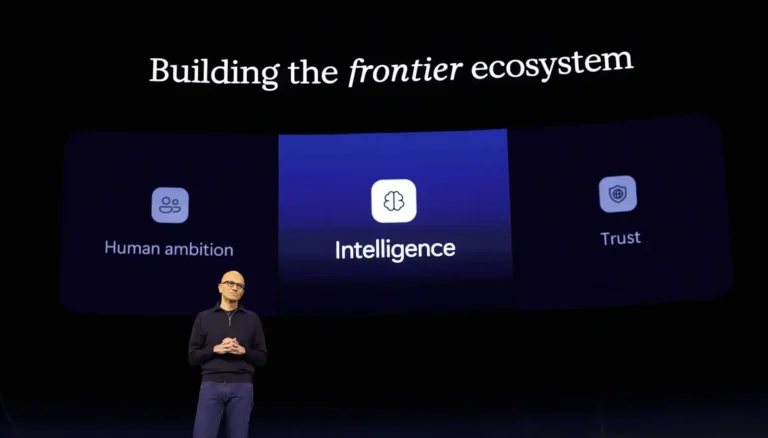
Jeff Schultz outlined both plans during the 10 November keynote at Cisco Live Melbourne 2026, which ended on November 12. The announcements give international customers a delivery timetable and put Cisco’s future product development behind a shared operational platform.
Cloud Control moves beyond the US
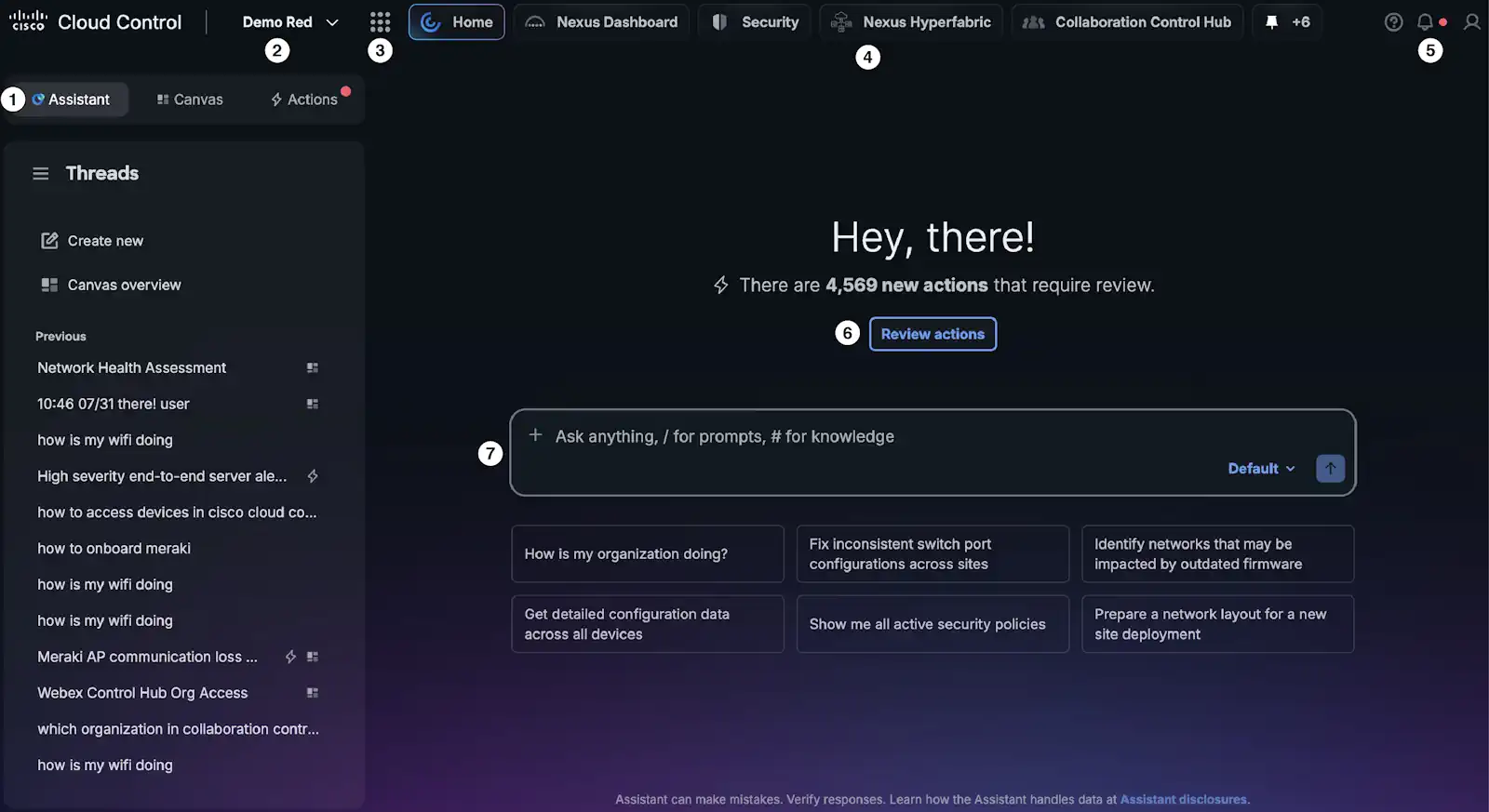
Cisco introduced Cloud Control in June, initially through controlled availability in the US. The platform brings the following under one environment:
- Networking,
- Security
- Compute
- Observability
- Collaboration
This way, IT teams and AI agents share operational data.
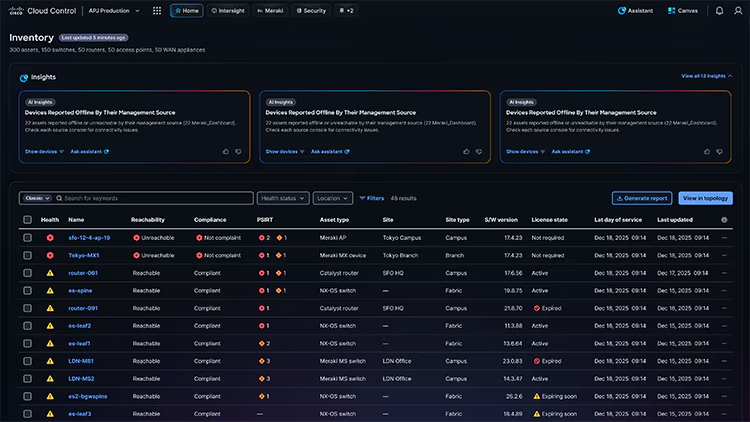
The objective is to reduce the work involved in managing those systems separately. Cisco describes a common login, asset inventory, and topology, giving operators a connected view of infrastructure rather than leaving them to piece it together across consoles.
That builds on the shift towards AI-assisted network management, with automation helping teams interpret network conditions and respond to problems. Cloud Control extends that ambition across Cisco’s portfolio.
Integration becomes a product requirement
Schultz’s second commitment addresses what happens after customers buy the products: new Cisco products must integrate directly with Cloud Control.
The distinction is critical.
A common supplier does not automatically mean a common operating environment. Making integration a product requirement puts more of that responsibility on Cisco rather than leaving customers to connect the pieces themselves.
The commitment does not, however, establish a timetable for bringing every older product into the platform. Nor should integration be read as a requirement for customers to manage everything exclusively through Cloud Control.
Cisco lists AI Canvas, AI Assistant and Cloud Control Studio among the platform’s agentic capabilities. These cover shared workspaces, natural-language assistance and custom agents. The company cautions that some capabilities remain in development.
Visibility is also only part of the challenge.
As our reporting on Cisco’s proposed security boundaries for AI agents explains, controlling what agents can access and change remains a separate task.
For customers planning around the rollout, the next questions concern regional functionality, data residency, pricing, and legacy support.
About The Author