Trending Topics

 Trending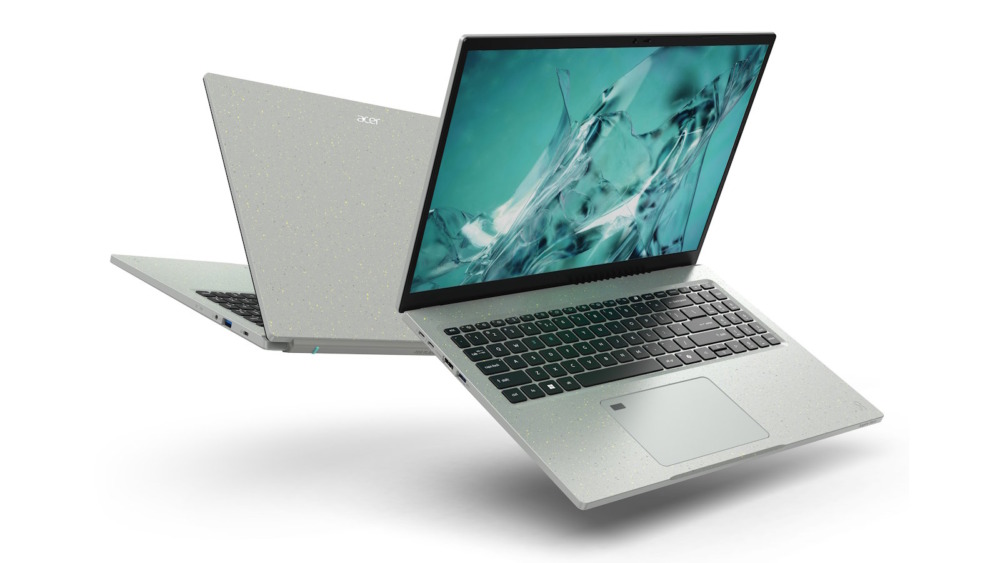
Will Trump’s chip tariffs put up prices of tech for everyone?

US President Donald Trump is once again threatening to impose new tariffs on the semiconductor industry – and it likely won’t be only Americans who end up paying the price if he does.
In a typically off-the-cuff set of remarks to reporters on Tuesday, Trump said that he intends to impose tariffs “in the neighbourhood of 25%” on items such as semiconductors, cars and pharmaceuticals, according to Reuters. The President claimed those tariffs could rise substantially over the course of the year.
The pronouncement follows last week’s introduction of 10% tariffs on all imports from China, which already look likely to push up the price of tech products.
But will the pain of increased prices be felt beyond the US? Both history and analysts suggest it will.
Trump’s chip tariffs = increased computer prices
There are already signs that the 10% tariffs imposed on Chinese imports are going to incur extra cost for businesses and consumers. In an interview with The Telegraph at the weekend, Acer CEO Jason Chen said that his company would “have to adjust the end user price to reflect the tariff”.
“We think 10% probably will be the default price increase because of the import tax,” said Chen. “It’s very straightforward.” Chen added that he believed some companies would use the tariffs as an excuse to raise prices by even more than 10%.
The US Consumer Trade Association (CTA) in January predicted that Trump’s tariff proposals could see the price of laptops and tablets climb by 46% and sales of those devices plummet by as much as 68%.
Interestingly, when you now click for the full report on the CTA’s homepage, it returns a Page Not Found error and the CTA’s CEO Gary Shapiro put out a statement this week claiming that the reciprocal tariffs Trump announced “are common sense”.
Impact of tariffs beyond the US
While the imposition of Donald Trump’s chip tariffs will be felt immediately by US businesses and consumers, the rest of the world is likely to feel the knock-on effects, too.
Canalys senior director Rachel Brindley put out a report earlier this month, looking back at when Trump first imposed tariffs on semiconductors during his first term in 2018. “These tariffs targeted specific industries and led to some stockpiling of semiconductor components, finished networking products, and PCs and accessories before they took effect, though vendors only had a short time to act,” Brindley reported.
“The first two rounds of tariffs resulted in a short-term uplift for many of the Tech Titans in those segments, as deals were pulled forward and organisations committed to investments ahead of tariff-related price rises. Vendors then had to pass on higher supply chain costs via price rises to customers, not only in the US but worldwide.”
With this new set of tariffs, Brindley claims that distributors may once again decide to hold more stock in the short term to “protect against price increases”, but that leaves them “at risk of being left with excess inventory or even being pressured by vendors to absorb costs”.
And while some believe the tariffs will be good for their business, with higher prices leading to higher margins, Brindley warns the benefits may be short lived. “This is a short-term impact and risks creating yet another bubble in the technology industry,” she wrote.
Related articles
About The Author

Barry Collins
NEXT UP


