Trending Topics

 Trending
Lenovo, stop creating wild laptop concepts that I feel compelled to cover when I’ve got other things to do at MWC!


Pesky Lenovo. All I want is a peaceful MWC Barcelona 2025 where I can go about my business reviewing rugged laptops and the fascinating stuff powering our mobile networks, but it’s determined to get in my way. At CES 2025, it was the ThinkBook Plus with a rollable screen. At IFA last year, a laptop with a screen that would follow you around. A year ago at MWC 2024, the transparent laptop.
This time around it’s gone two steps further by creating a solar-powered laptop and one with a super-tall AMOLED panel that folds back on itself. This really has to stop. Quite apart from the fact I’ve got other things to do, it makes its seven new ThinkPads, also announced at MWC Barcelona 2025, look rather tame.
The super-tall ThinkBook AI PC Concept (“codename Flip”)
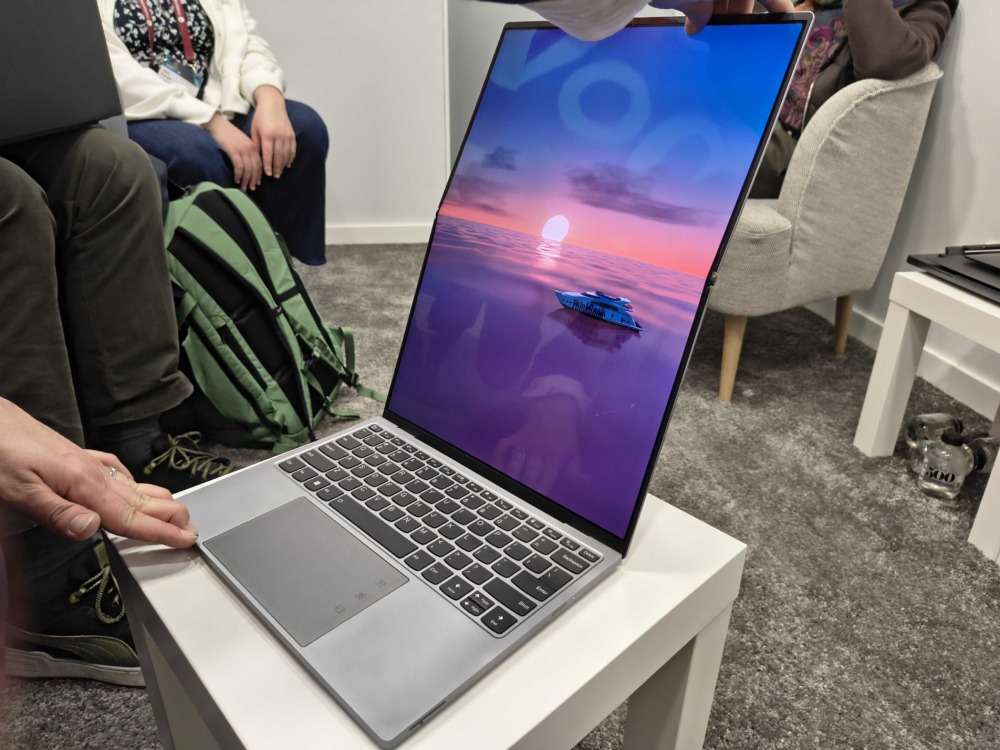
First up a laptop concept where a picture paints several thousand words. It isn’t Photoshopped: that’s an AMOLED screen that reaches to almost twice the typical height of a laptop. Here are three more pictures to help.
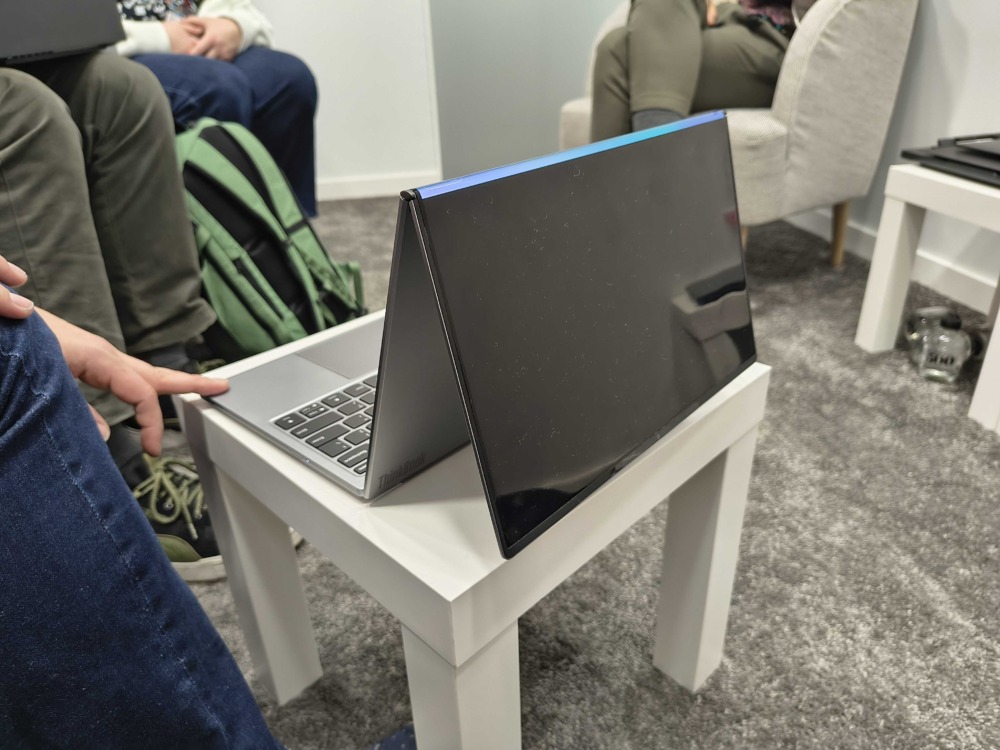
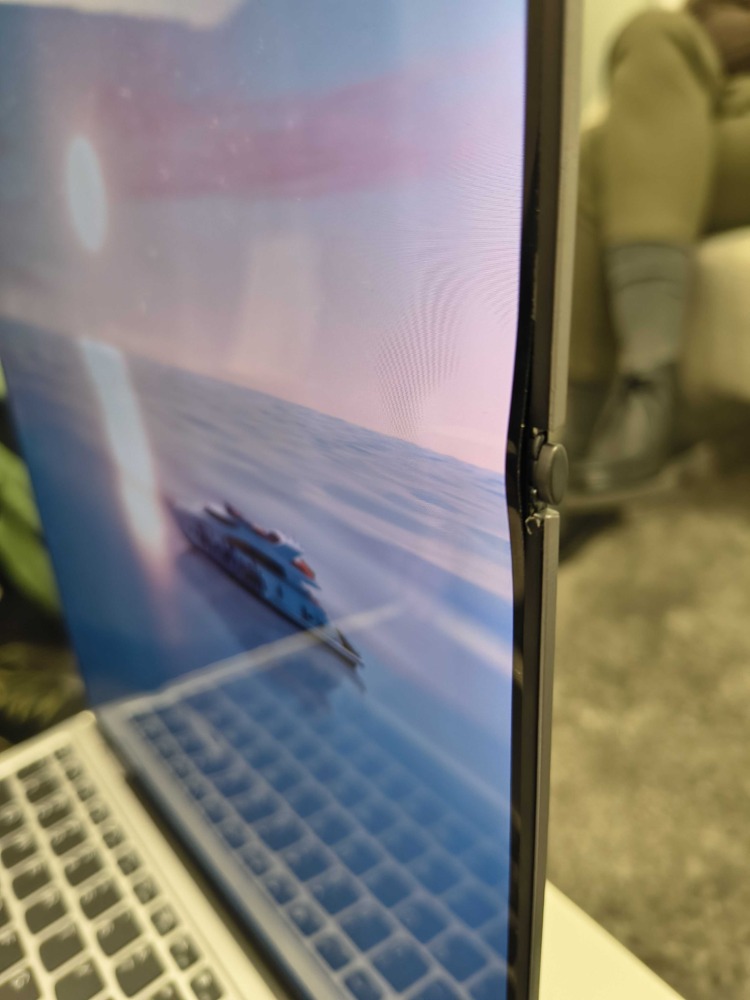
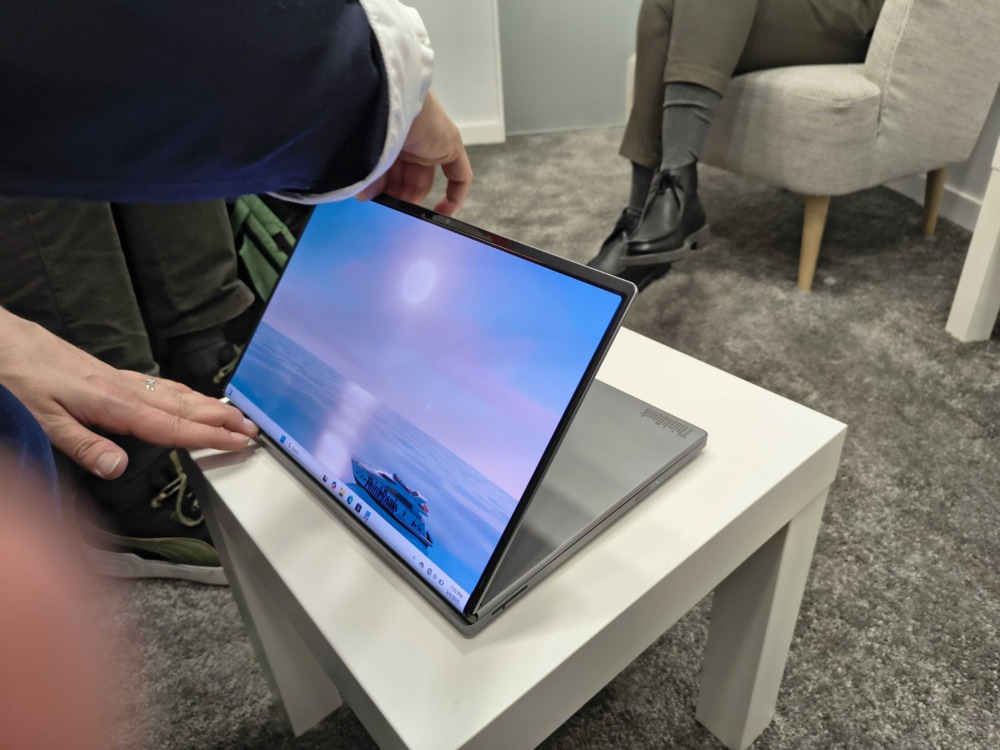
“So if you look at it, you just think, oh, that’s a regular 13in laptop. But then you notice it’s got a [second] screen which is pretty great,” said Hayley Bernard, Product Portfolio Manager for Lenovo’s ThinkPads. “But the real wow moment is going from a 13in to 18.1in screen real estate, so pretty exciting.”
When might you want such a thing? Hayley suggested looking through articles, writing and coding, but pointed out that “you can just split this into two monitors, top and bottom. So it really works for everybody. The other thing that’s cool about this [design] is when you’re presenting. Maybe you’re a traveling sales person, and you have a presentation on this side of the screen. I could easily show you the same thing, the same content.”
There are some obvious questions. How do you protect the screen when travelling? Lenovo hasn’t quite solved that, but a cover that snaps on magnetically is one possibility. How do you support the screen to stop it toppling over? A separate fold-out kickstand could do that job, and might end up doubling as the screen cover (once it folds out, origami-style). How long will the hinge last? Here, Lenovo expects to share learnings from Moto, which has years of hinge-making experience for its flippable Razr phones.
Don’t expect this super-tall laptop to go on sale soon, but it took a little over two years for Lenovo to take a rollable laptop concept into production reality – from what I’ve seen of this early prototype, that seems like a realistic timetable here too.
Lenovo’s wild laptops with snap-on screens (Magic Bay Dual Display Concept and Magic Bay 2nd Display Concept)
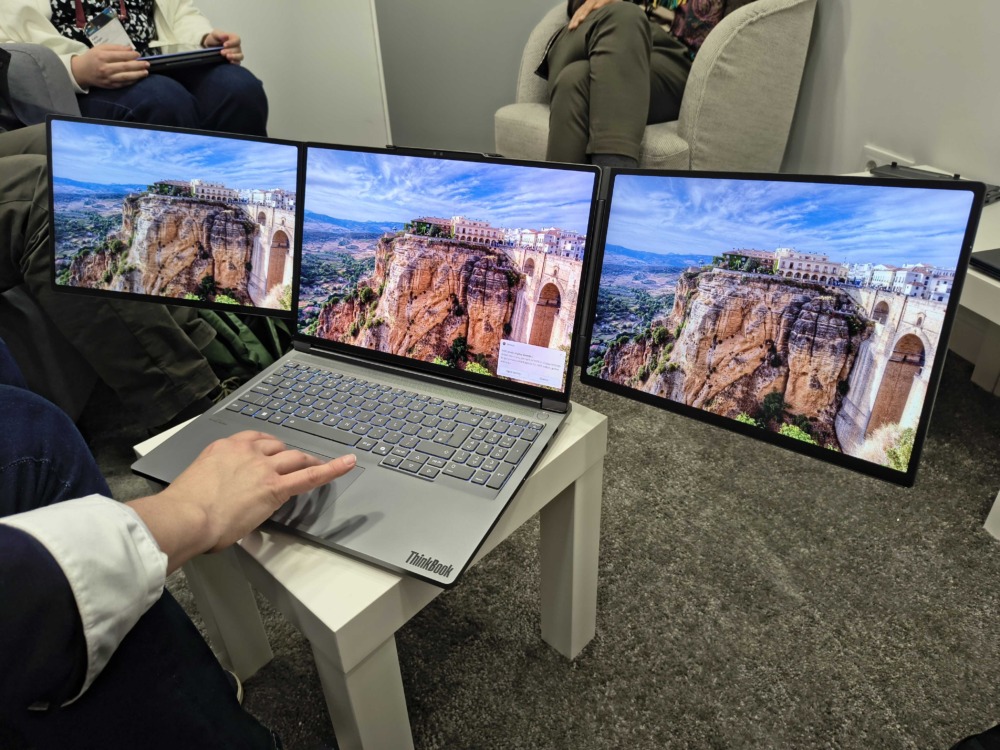
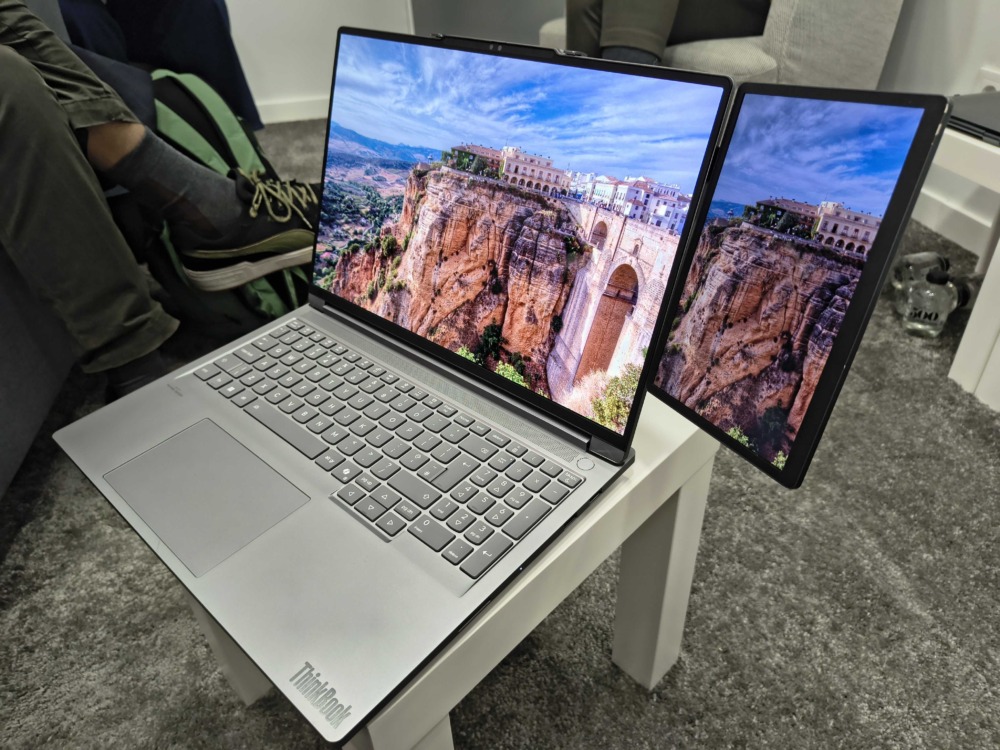
Not satisfied with making our laptop screens taller, Lenovo wants to make them wider too. This time the answer comes via its magnetic snap-on technology that it calls Magic Bay. You can find Magic Bay tech on a limited number of ThinkBooks, including the ThinkBook P16 in the photo above.
“We’ve had a couple of Magic Bay accessories over time,” said Hayley. “One was a really nice camera, [another] a selfie light. And a lot of the conversation was, ‘Okay, what’s going to be a really compelling use case? Like, what can we put on here that’s going to really make it happen?’ And everyone always wants more screen real estate, so we wanted to see if we could make a dual display concept.”
And that’s what you see made real. So the Magic Bay displays fold up for easier travel, and then you whip them out when you’re in a position to use three screens. As the middle picture below indicates, this adds to the weight, so it needs extra support.
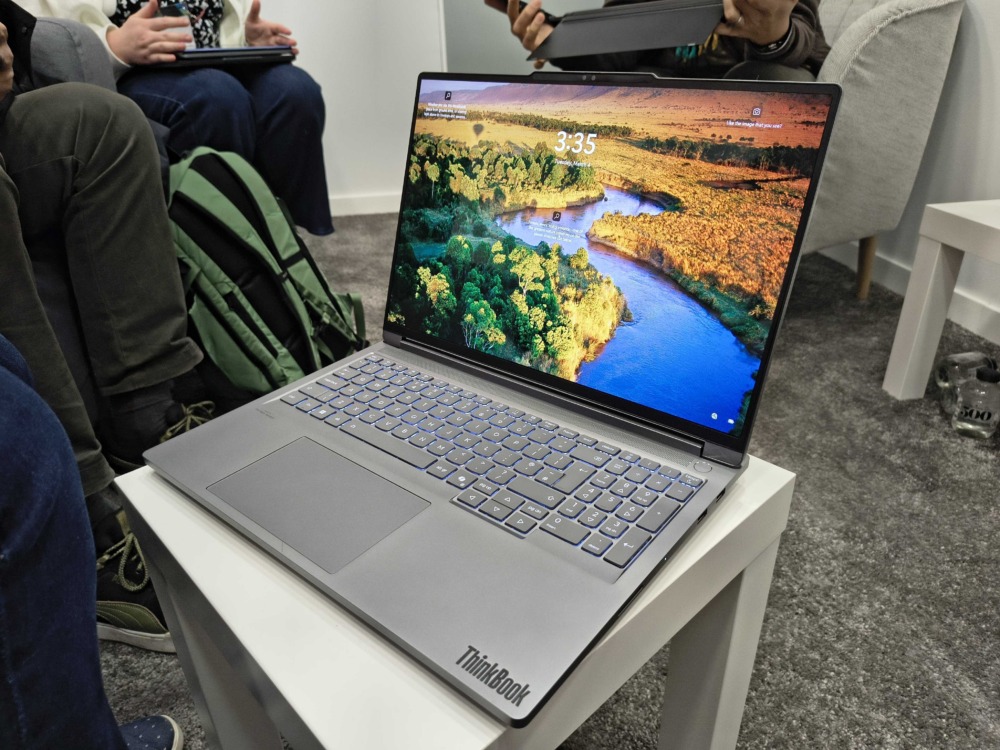
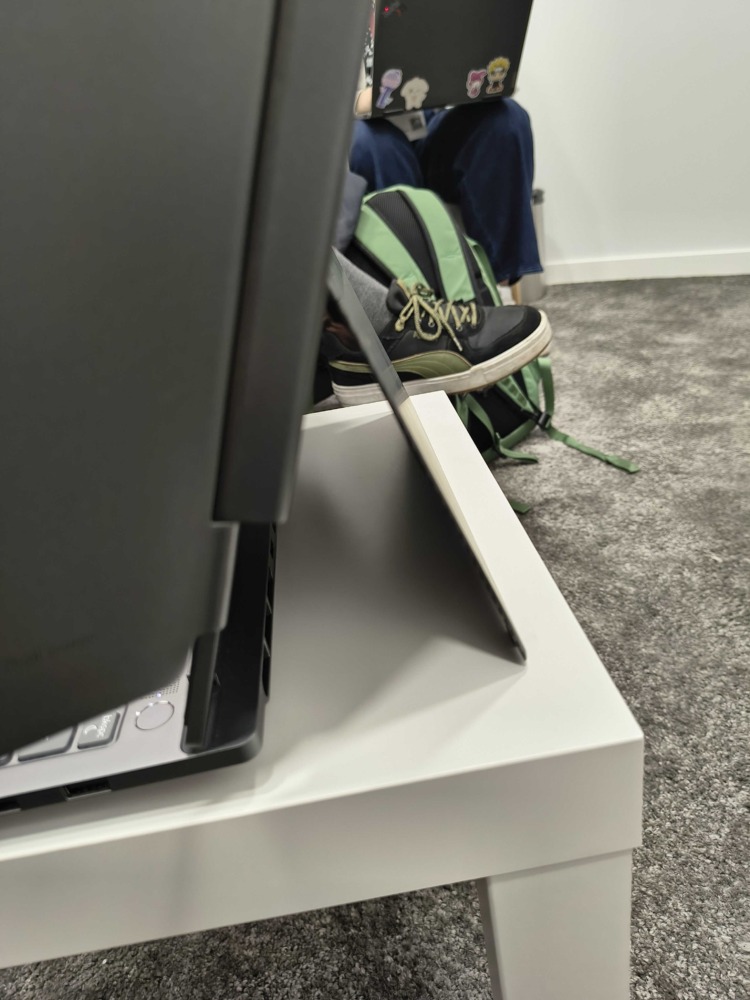
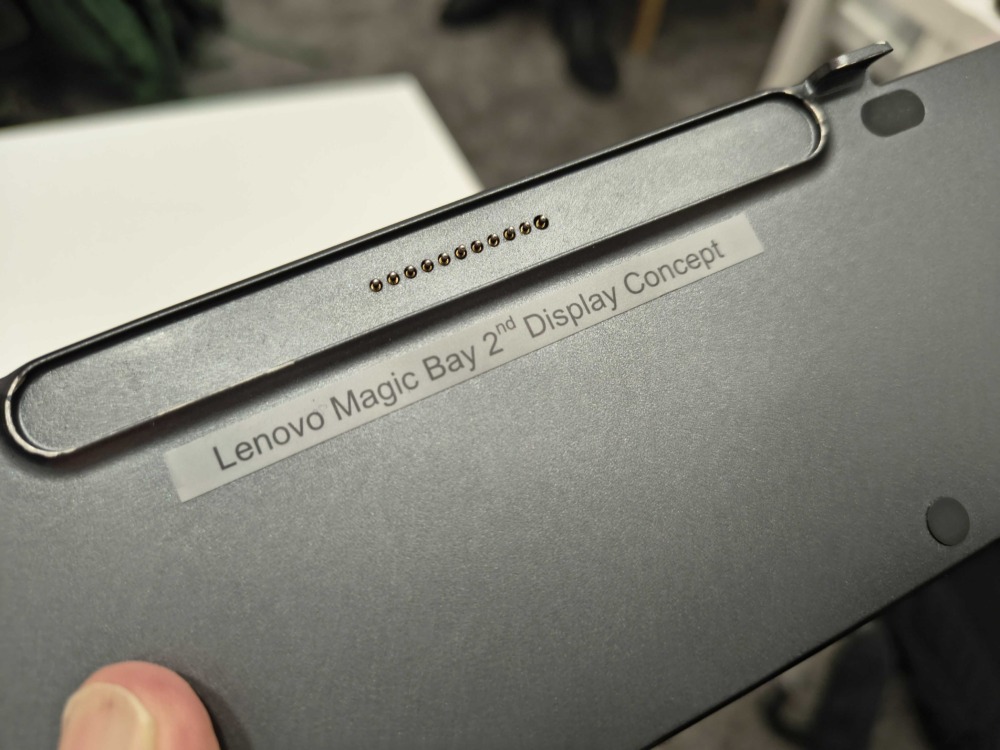
It’s the neatest implementation I’ve seen for add-on screens, but I was actually more taken by the idea of a mini display that could still use the Magic Bay but would snap on to the right (or left). See pics below.
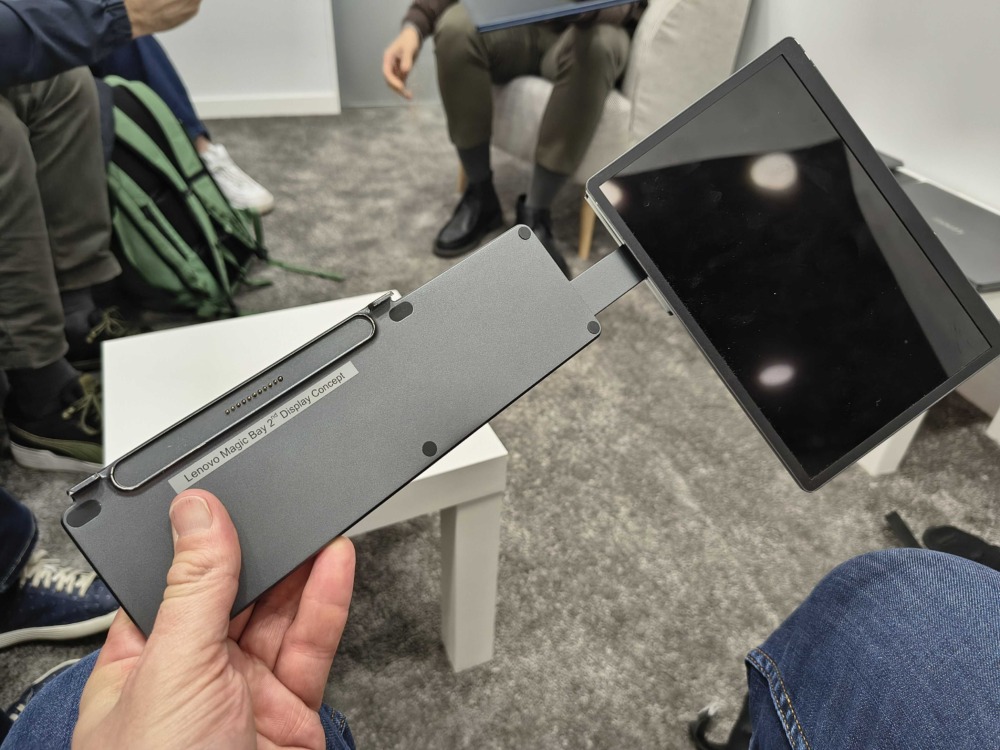
Not only will this be much easier to shove into a bag, but I can certainly see times when I’d want to put reference material (emails, Slack, WhatsApp, whatever) on a separate screen.
Both ideas feel much more mature and developed than the tall-screen concept laptop, and I wouldn’t be surprised if those go on sale this year.
Lenovo’s solar-powered laptop: Yoga Solar PC Concept
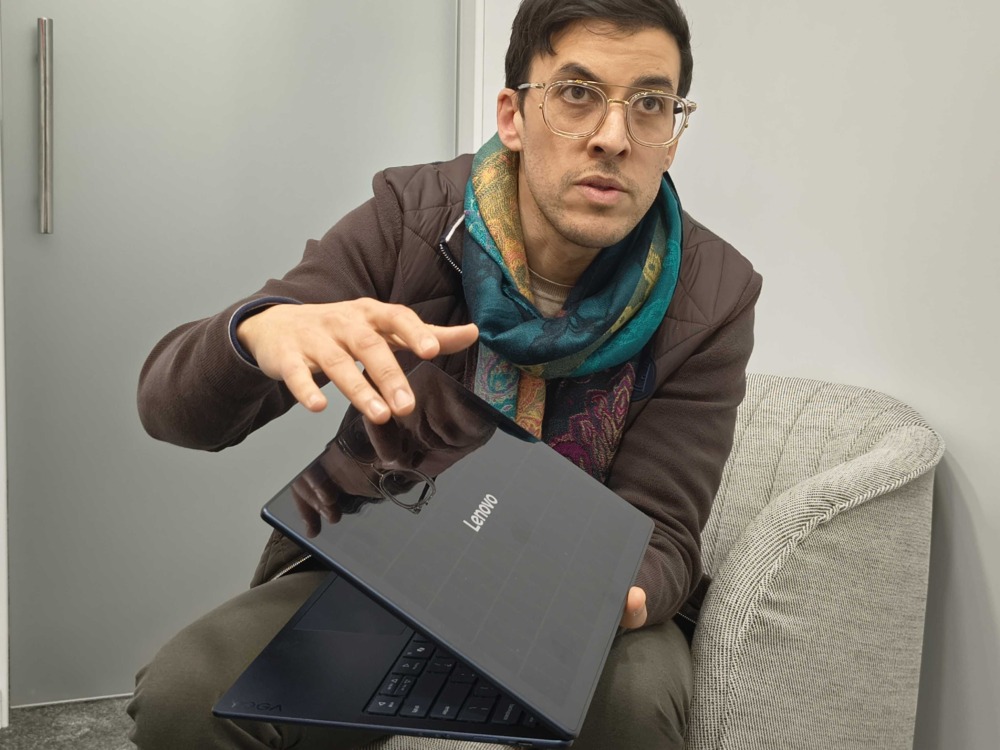
To finish, meet another concept made real: the solar-powered laptop. Here, Lenovo replaces the normal lid with the latest “black” solar panel technology that can feed from natural light. Like reverse vampires.
Wahid Razali, Marketing Director Worldwide for Lenovo’s consumer division, said that the idea stems from Lenovo’s company-wide pledge to be Net Zero by 2050. “In every business unit, in every corner of the company, you always have to think, ‘How can I do what I’m setting up to do, but in a more sustainable way?’ And inside the consumer team, we’re thinking about how can we start harnessing renewable energies that are ambient to extend the lifecycle of products.”
The Yoga Solar PC concept, as it’s officially known, kicked off when the latest solar panel technology appeared with a 24% solar energy conversion rate compared to the sub-20% rates of previous generations. In the Yoga’s case, this starts feeding energy to the PC with as little as 0.3W of active power available.
Naturally, 0.3W is not going to power a laptop. “At this point you start harnessing free energy,” said Wahid. “Everything is prioritizing solar energy, meaning you consume this first and then you complement it with battery or DC.”
The technology should be seen as extending life, said Wahid, with a ten-minute charge under full sunlight enough to keep the laptop going for an hour of 1080p video playback. But if you left the Yoga Solar PC in the sun all day, that would charge the battery. Just not up to 100%.
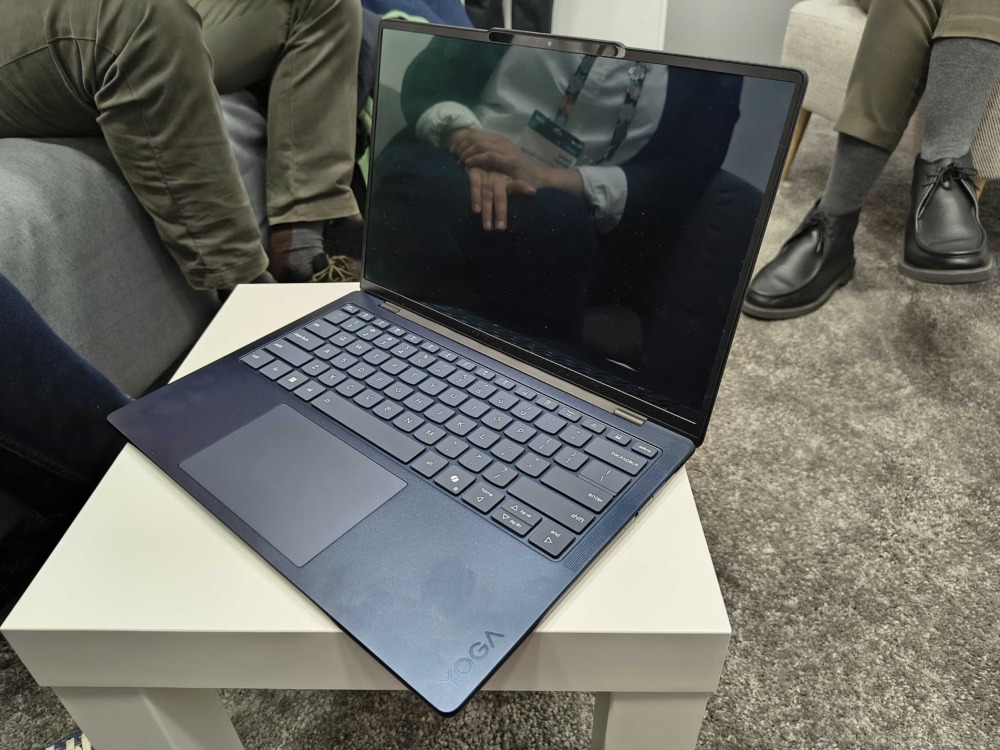
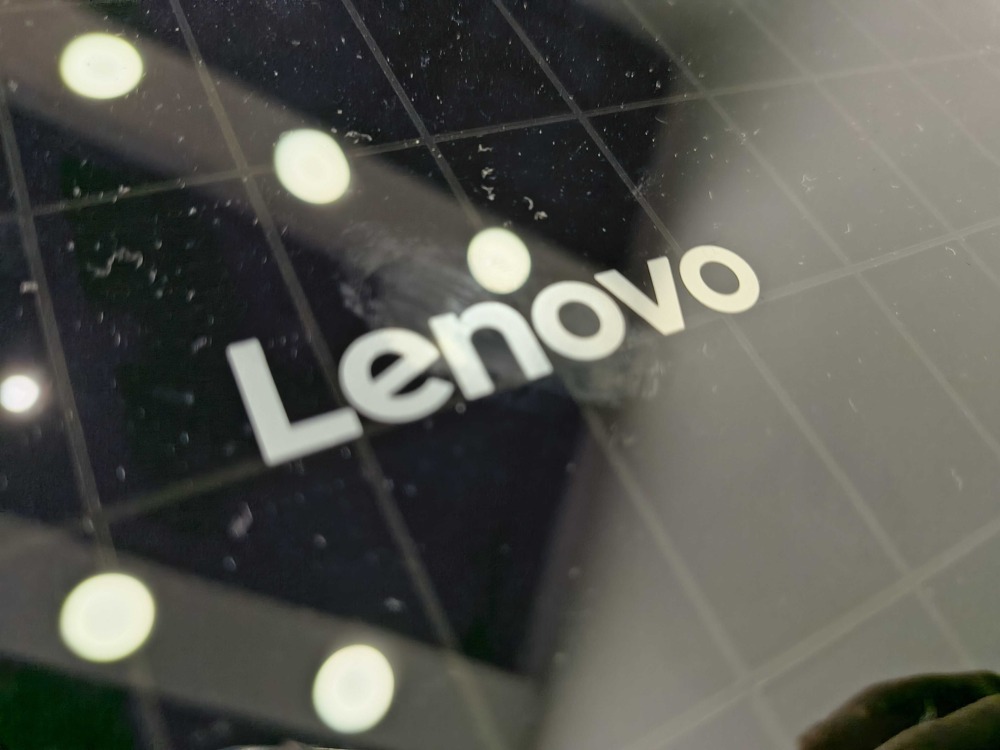
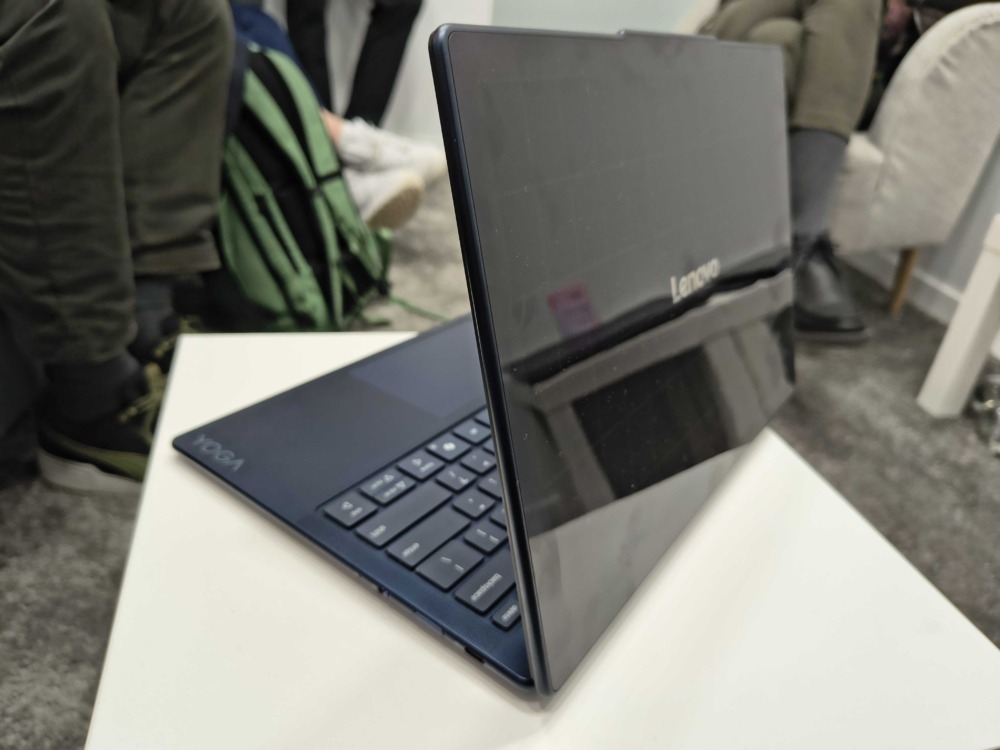
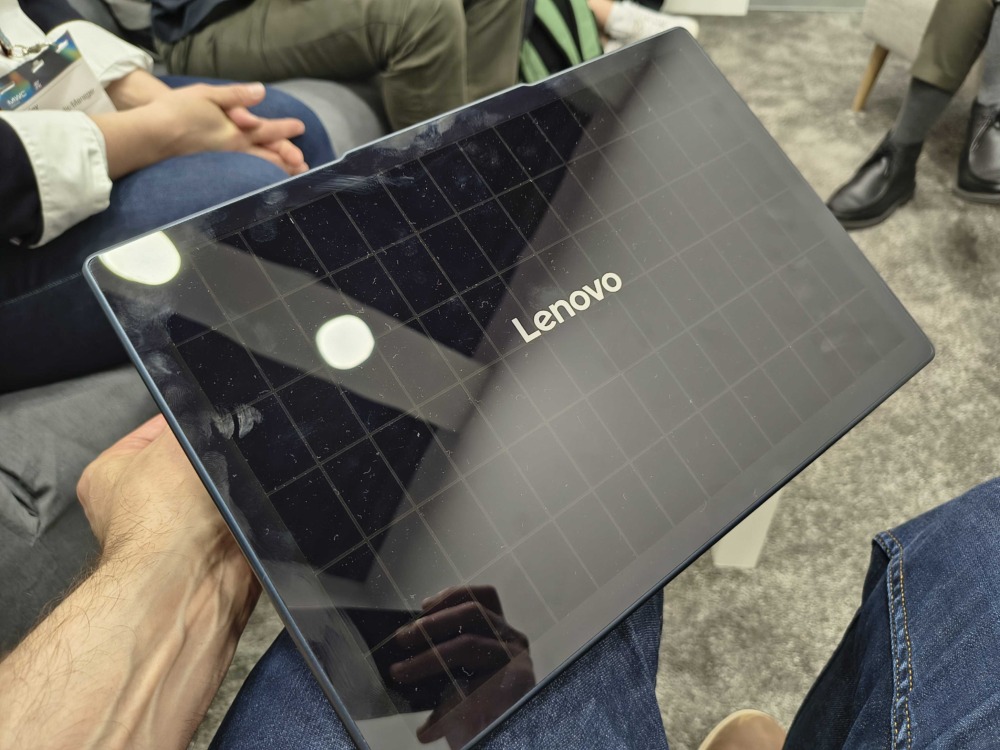
Lenovo Yoga Solar PC concept specifications
The concept PC is both slim and light (15mm, 1.22kg), and Wahid emphasised that the team’s remit was to minimise sacrifices. So you still get the typical 1.5mm travel of Yoga keyboards, there’s a punchy OLED panel and it has a respectable (albeit smallish) 50Wh battery.
Inside, the Yoga Solar PC concept uses Intel’s Core Ultra processors with integrated graphics, but there’s no reason why that couldn’t be Qualcomm or AMD instead. Extra cost is the only real penalty for the solar panel.
When will it come out? Wahid refused to be drawn on an exact timeframe, but said there is “no major flaw where we’re like we need to fix this and we don’t know how to solve it yet. It’s more about making sure that it’s a viable total proposition.”
And he’s keen to point out that, while the solar panels are protected by hardened glass, they will be replaceable if damaged. That’s part of the sustainable package, after all.
More sensible stories from MWC Barcelona 2025
About The Author

Tim Danton
NEXT UP


