Trending Topics

 Trending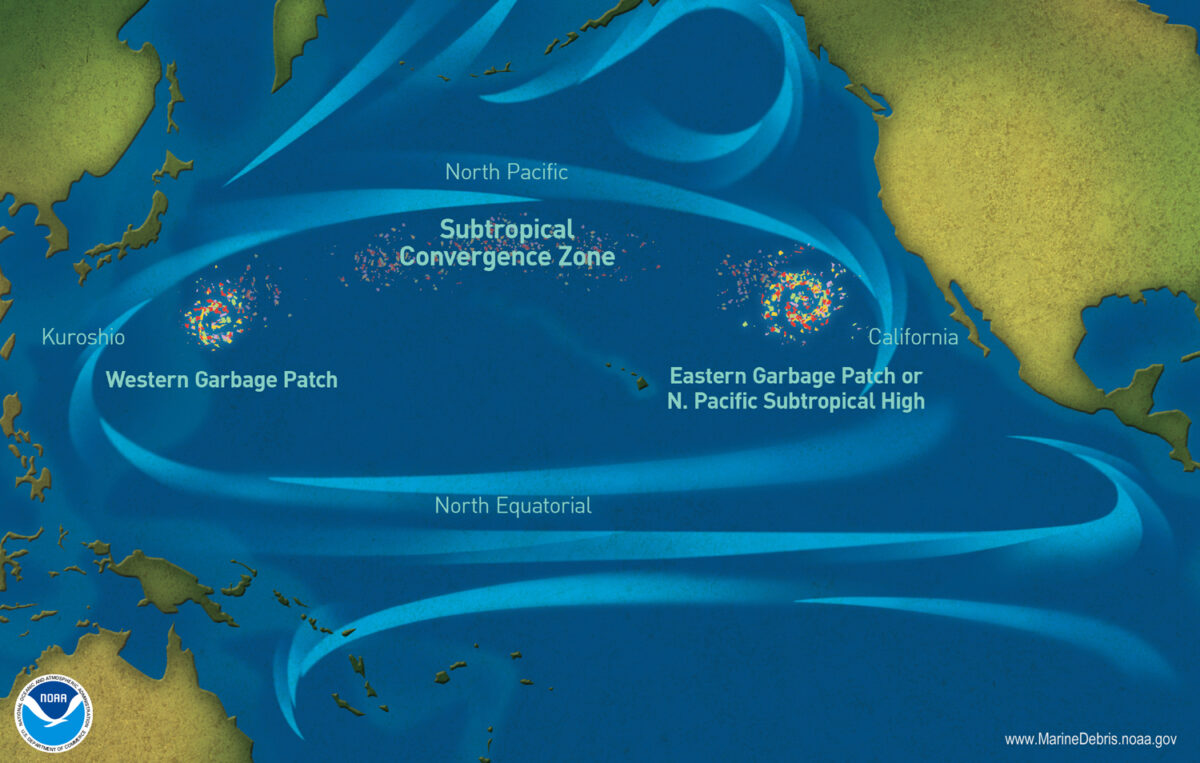
Ocean clean-up project seas new wave of artificial intelligence with AWS deal

Amazon has teamed up with an ocean clean-up organisation for a project that will see AWS services used to help remove plastic waste from the Pacific Ocean.
Non-profit The Ocean Cleanup is hoping to target the Great Pacific Garbage Patch – a collection of plastic debris, which stretches from North America to Japan across the North Pacific – and remove 90% of floating ocean plastic by 2040. The organisation has removed 64 million pounds of marine plastic debris to date.
The Ocean Cleanup and AWS will work on building an “AI-powered detection system” to track where plastic is accumulating in the oceans and predict where it will end up when it’s moved around by ocean currents.
The artificial intelligence system will identify hotspots where plastics are collecting within the Great Pacific Garbage Patch, using information gathered from IoT systems, drones, floatation devices and satellite imagery, which can then be fed into the detection system. The AI can then predict where plastic trash will aggregate, and The Ocean Cleanup can target its activities accordingly.
The pair will also work on deploying AI technologies to support The Ocean Cleanup’s marine life detection systems.
Amazon’s plastic waste problem
A report published last year by the non-profit Oceana estimated that Amazon generated 208 million pounds of plastic waste in 2022 in the US, a rise of almost 10% on the year before. Oceana’s report projected that 22 million pounds of that plastic would end up in oceans, rivers and other waterways, where it would pollute the water and harm marine life.
Amazon’s 2024 sustainability report, released earlier this month, showed it reduced plastic packaging by 16.7% compared to 2023. 65% of Amazon packages in North America contained single-use plastic in 2023, against 37% in 2024, as Amazon switched away from plastic packaging towards paper.
However, the paper manufacturing industry is itself a significant polluter of waterways, and uses up to 15% of the world’s wood supply.
Amazon’s report also touted how the company uses AI as a “sustainability tool”, for “solving countless environmental challenges” within its business including detecting water leaks and energy inefficiencies.
Amazon acknowledged the environmental impact of AI with regard to the technology’s energy consumption. It noted the company is working to improve its carbon-free energy use and the energy efficiency of the hardware and data centres that underpin its AI tools.
Alongside its prodigious energy consumption (AI’s energy use is expected to outstrip that of Belgium next year), the datacentres it depends on also require a substantial volumes of water for cooling, stressing local water resources. and causing thermal pollution of waterways.
You might also be interested in…
About The Author