Trending Topics

 Trending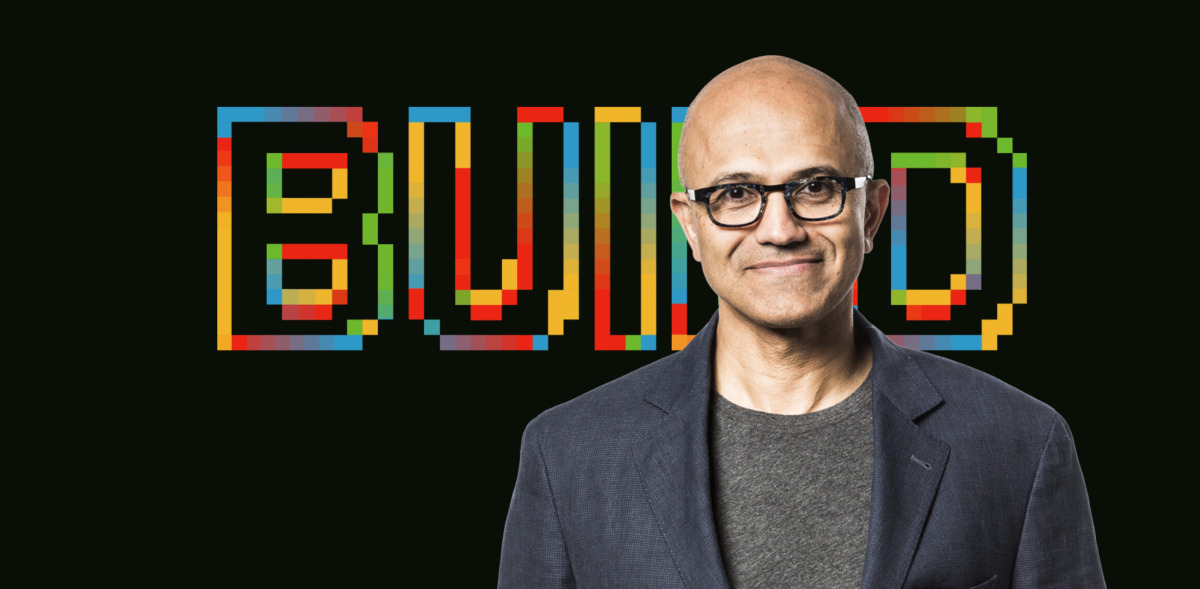
Microsoft Build set for June: But will we see Windows 12?

Microsoft has announced its Build conference will take place in June, amid new reports that Windows 12 is set to be unveiled this year.
The Build conference has been used to launch a new version of Windows before, with Windows 8 announced at the Build conference in Anaheim, California, in 2011. Coincidentally, Build 2026 is moving back to California this year, with the conference taking place in San Francisco after several years in Seattle.
Microsoft CEO Satya Nadella is already lined up to deliver the keynote speech at Build 2026, which will take place on June 2 and 3.
Microsoft is scaling back the number of in-person attendees at Build this year, with around 2,500 developers expected to attend the event, significantly down from the 3,000-5,000 who’ve attended recent Build conferences in Seattle. The keynote and many of the sessions will be streamed live for those who cannot attend in person.
Windows 12 rumours
The Build conference announcement comes amid fresh rumours about a potential launch of Windows 12 this year.
A report from PCWorld claims that internal leaks and statements from hardware partners are all pointing towards a release later this year. It’s been five years since Microsoft announced Windows 11 in June 2021, and with Windows 10 reaching end of support at the end of last year, there’s certainly scope for fresh blood in the Windows line-up.
One factor that might dissuade Microsoft from launching this year, however, is the ongoing component shortage.
Cripplingly low supplies of RAM and SSDs are pushing hardware prices up, making a less than ideal time for OEMs – Acer, Dell, HP, Lenovo and the rest – to cope with the demand of a new operating system launch. Although new releases of Windows create far less demand for new hardware than they did in the 1990s and early 2000s.
PCWorld’s report claims Windows 12, codenamed Hudson Valley Next, will be a more modular operating system, with the OS able to scale according to the type of hardware it’s installed on, ranging from low-power tablets to high-end PCs.
AI will, unsurprisingly, also form a core part of the OS, with an NPU of at least 40 TOPS expected to become a system requirement. This matches Microsoft’s Copilot+ PC criteria.
About The Author

Barry Collins
NEXT UP