Trending Topics

 Trending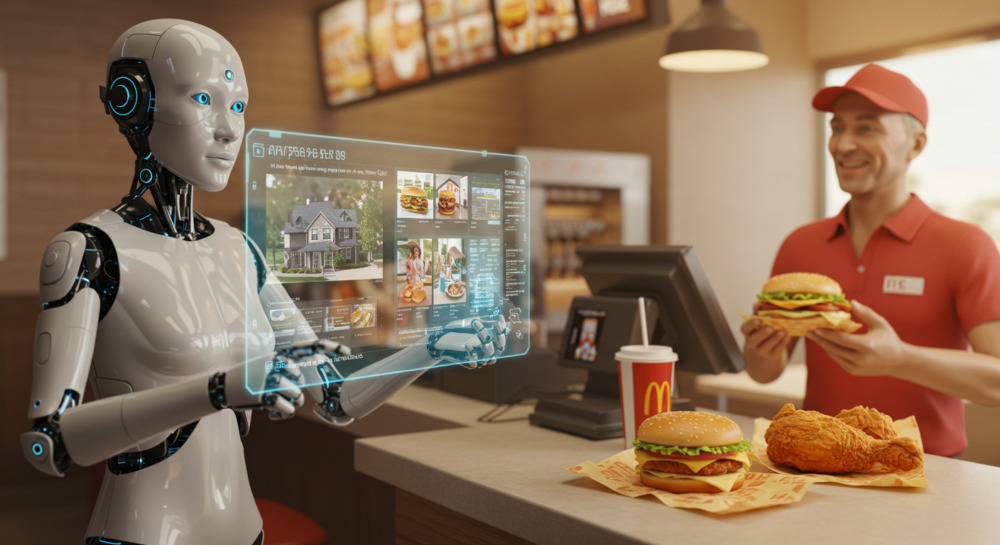
Manus proves Chinese can hype AI just as much as the US

Meet Manus, the latest AI that shows China is outpacing American models in all sorts of ways – including hype.
Chinese firm The Butterfly Effect released AI agent Manus last week, claiming the system was better than OpenAI’s agent, Deep Research.
Agents are different from chatbots that can only feedback text or images or video in response to a query. Instead, an agent can supposedly complete tasks with little feedback from a human user.
In a video, included below, the company claimed it was the “first general AI agent” and “truly autonomous”. It includes a demonstration of Manus screening resumés and coming up with a shortlist, before looking for a property in New York by researching neighbourhoods and schools, calculating budgets and then finding relevant listings.
The company claimed that Manus tops OpenAI’s model on one benchmark for general assistants called GAIA.
To be clear, The Butterfly Effect didn’t design the models powering Manus, but pulled them together into an agent. Reports suggest it uses Anthropic’s Claude and Alibaba’s Qwen.
Hyped up AI
The hype was immediate: one researcher called Manus “the most sophisticated computer using AI”, while the head of product at AI firm Hugging Face said it was “the most impressive AI tool I’ve ever tried.” A VC declared it was “worth the hype” and said it was the “AI agent we were promised”.
That hype was spurred by a lack of access. As it was invite-only, people took to selling invitations for thousands of dollars; the company was accused of trying to drum up attention through scarcity, but claims the limitation was down to not enough server capacity.
Of course, much of the attention had little to do with Manus, and everything to do with DeepSeek. Lest we forget, this Chinese AI model tanked US tech stocks upon its arrival earlier this year, thanks to its ability to keep up with American rivals without spending as much money or requiring so much compute.
Hype deserved?
As quickly as the hype started, so too did the backlash. An engineering professor from Duke University said Manus was “actually a half finished product” designed to attract attention and investors to raise funds to finish development.
One researcher noted Manus gives decent outcomes but “takes longer than OpenAI’s Deep Research to process the tasks”.
TechCrunch reported Manus failed to order a fried chicken sandwich – which frankly should be the default test for any AI agent – and pointed to social media reports of plenty of mistakes made by the model. After all, if an agent can’t buy a sandwich, don’t let it put a deposit down on a Manhattan penthouse for you, either.
Is Manus good? Does it not work? Is it going to change your life? Is it an iterative step towards AI actually being useful? You’ll need to get an invite to try it out for yourself, but in the meantime, when a Chinese – or American, for that matter – company next releases a model or agent surrounded by a lot of hype, take a breath and remember that we’ve got a long road ahead of us, and many more overhyped launches to go.
More AI hype?
About The Author

Nicole Kobie
NEXT UP