Trending Topics

 Trending
Show time: MWC Barcelona 2025 stands through the eyes of a company that builds them


MWC Barcelona 2025 was packed. According to the show organisers, over 109,000 attendees came from 205 countries and territories across the four days of the show. And with more than 2,900 exhibitors, sponsors and partners, stands had to work hard to stand out.
So I took a brief timeout during MWC to talk to the people who design the stands. To be precise, I visited three stands in the company of Sparks Managing Director for EMEA, Jason Megson, and Adam Charles, Sparks’ Chief Growth Officer.
It was a fascinating whistlestop tour, with the pair providing insights into their own stands plus information about what makes a successful stand.
For example, until speaking to them I hadn’t noticed how many stands were dominated by screens. That means that a big visual part of a stand can be customised as the stands – which feature many reusable parts – travel from show to show around the world.
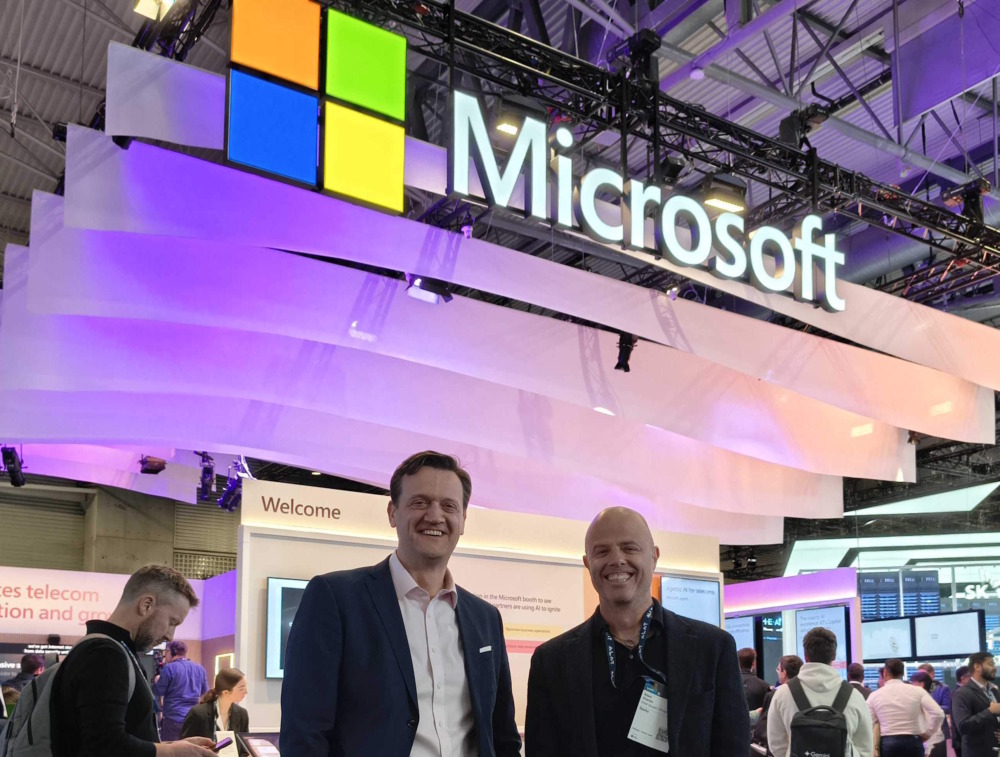
Microsoft at MWC 2025

What, I asked, was Microsoft trying to achieve with this stand? “Most of these corporates, they come here to have face-to-face meetings,” said Adam. “So you can see up the top, we’ve got a lot of meeting space, but it is also to create excitement around what they’re doing with AI.”
Sparks – a Freeman company – have a long history with Microsoft, Adam explained, to the point where it designs many of the stands at Microsoft’s own events and at third-party events around the world. Such as MWC, of course. But with each year comes a need for new evolution, new ideas.


“This is the first time that they’ve brought a theatre concept onto their stand,” said Jason. “Historically, they want to bring to life their whole product portfolio. So there’s been a heavy focus on demos, and those demos have been a mix of heavily technical and then a little bit more fun and interactive.
“This time, they’ve given up quite a lot of the space to create a theatre so that they can bring some of their partners and business prospects into their own space, and have more of a Q&A-style conversation. This adds to the meetings and the more individual conversations they’re having in other parts of the activity.”
Salesforce at MWC 2025

Where Microsoft had a more traditional stand at MWC Barcelona 2025, Salesforce thinks less outside the box and more outside the whole show. For several years, it’s taken advantage of one of the garden spaces found at the Fira Barcelona event space.
This year, attendees went on a journey as they walked through the Salesforce space, almost mimicking the way Salesforce helps its customers transform a lead into a client. “It’s much more of taking people on a quite distinctive and specific journey, whereas last year, the design language was more of a campus feel, where you could flip between different areas,” said Jason.
“Here, it’s like there is an obvious journey, and there are areas to stop and rest, there’s areas to learn, there’s areas to meet, but you do get to the end of it in some sort of a linear way.”
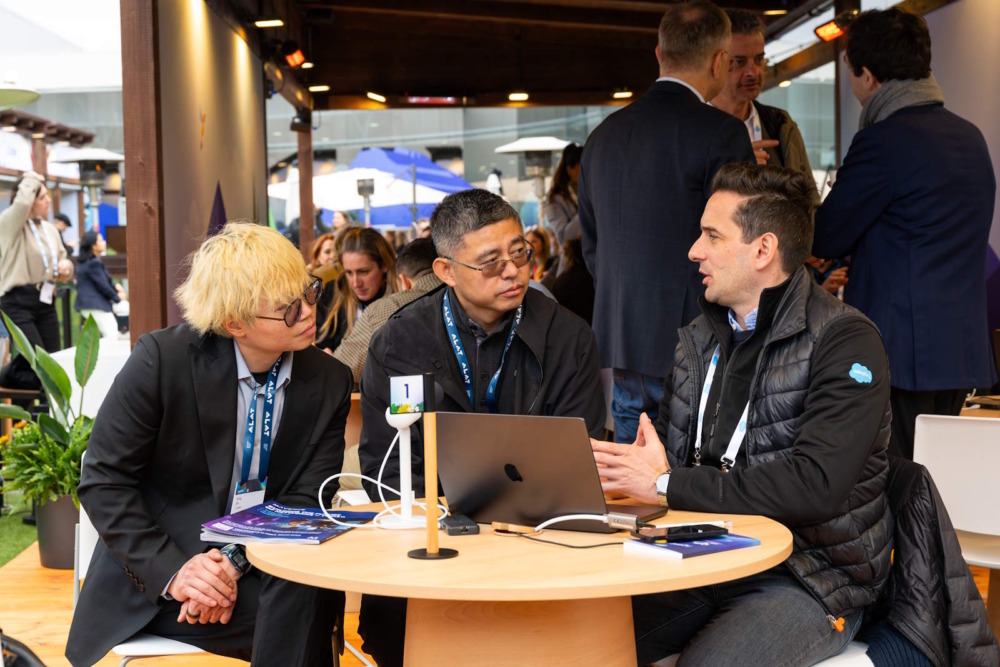
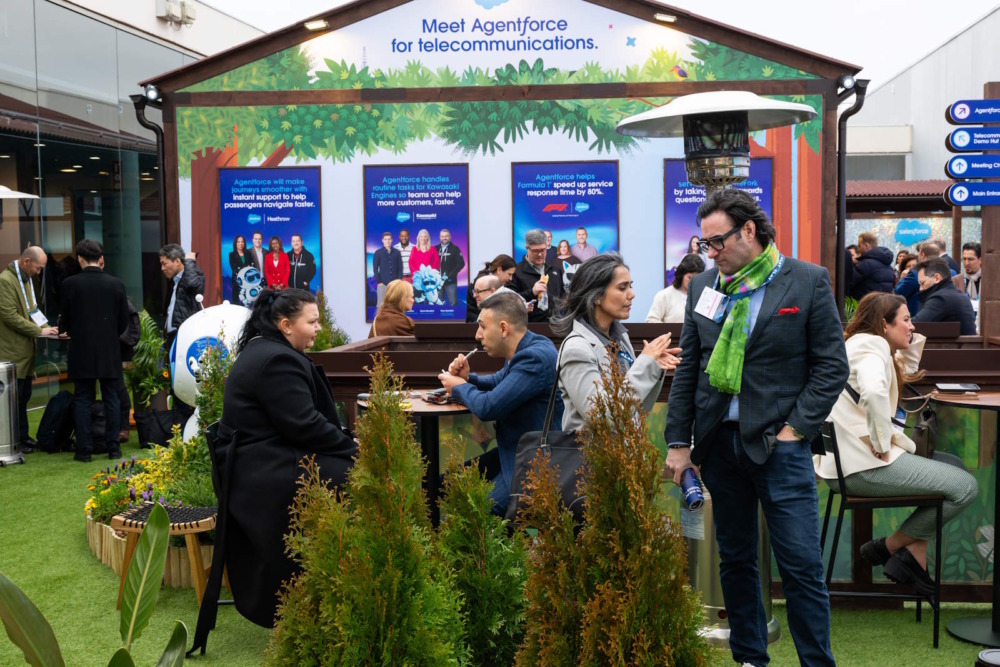
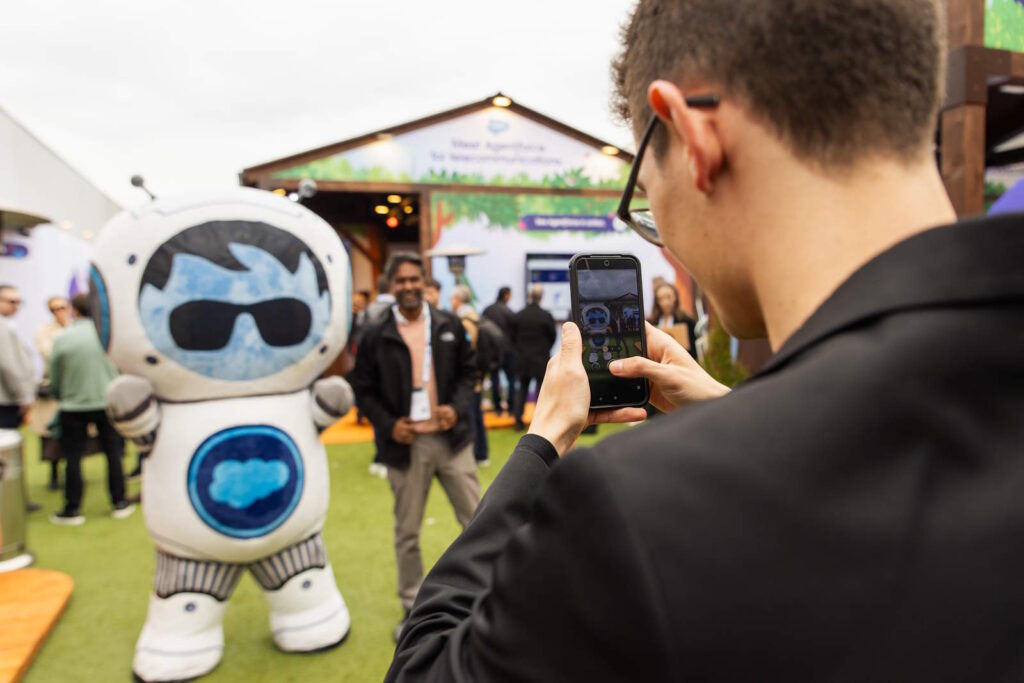
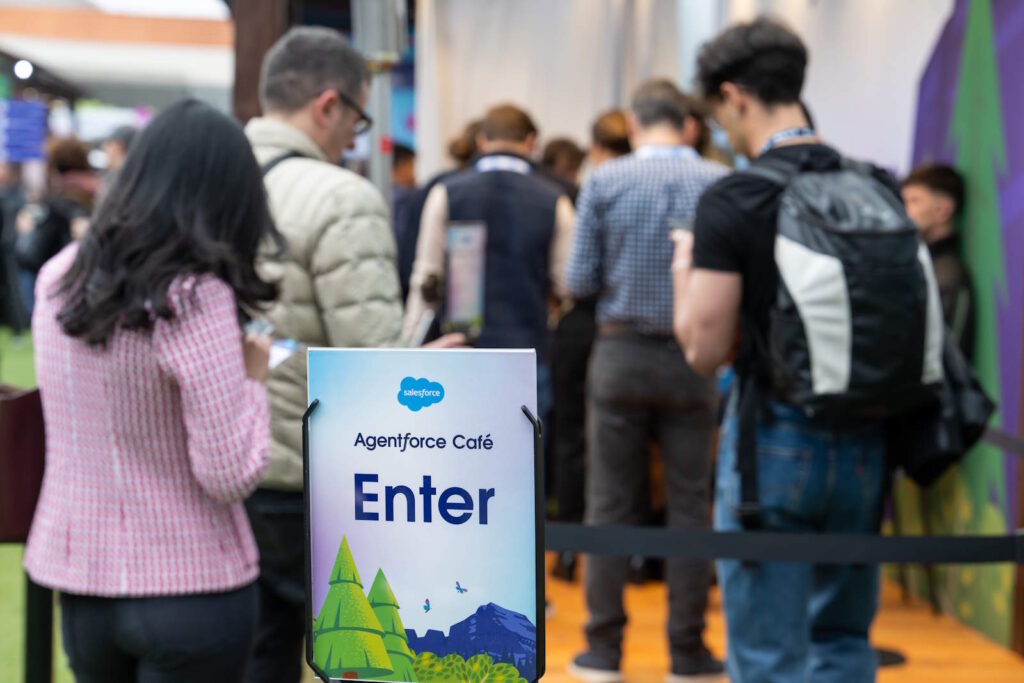
“So obviously, like Microsoft, Salesforce is here to meet partners,” said Adam. “To talk about Agentforce, Einstein, their different artificial intelligence programs. But again it’s meant to be an oasis from the cacophony of noise in the show hall.
“There’s a lot of outdoor areas, but there’s also meeting pods as you go through that have demonstrations of the different technologies.”
Jason added: “One of the great things about the relationship we’ve had with Salesforce over the years is that they’re very passionate about how their brand turns up. So whereas with some of our clients, it might be a design language, this is all-encompassing.
“There will be a Salesforce palette, there will be a Salesforce music library. All of that helps our creative teams pull together different experiences in spaces like this.”
Tecno at MWC 2025
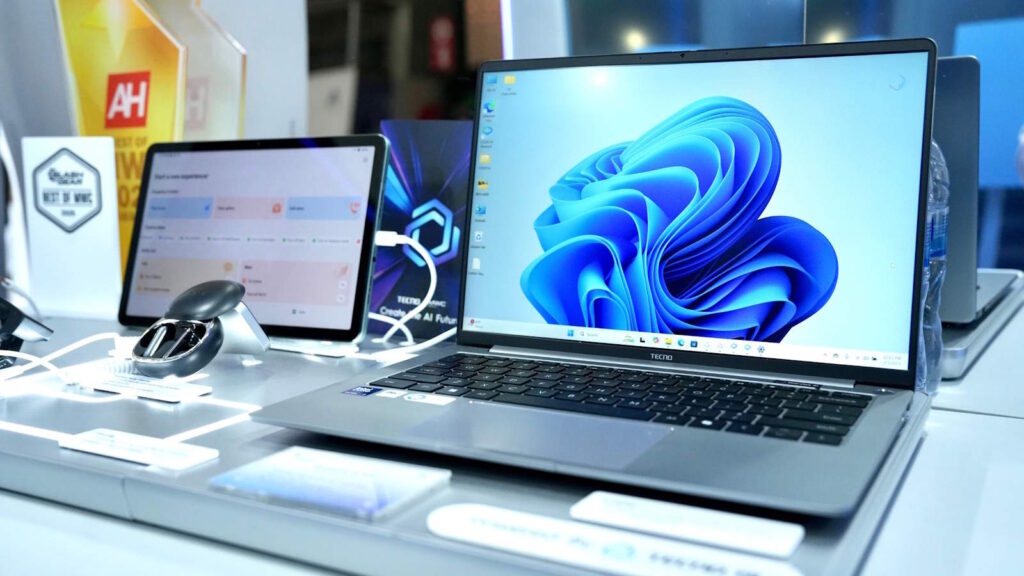
Tecno has a different set of challenges at MWC. It’s a Chinese challenger brand in the phone, tablet and laptop space, and it wanted to combine a modern look with a focus on products. There is also a cultural element, explains Adam, who spent several years working in China.
“It’s a very visual culture, even if we think about the language, it’s pictograms,” he said. “In Europe or in the US, you go from a process of working out what you are trying to achieve, build a strategy out, build out a narrative, then go to a design, often in China [it’s] here’s the products, let’s go straight to visual. People see things visually.”


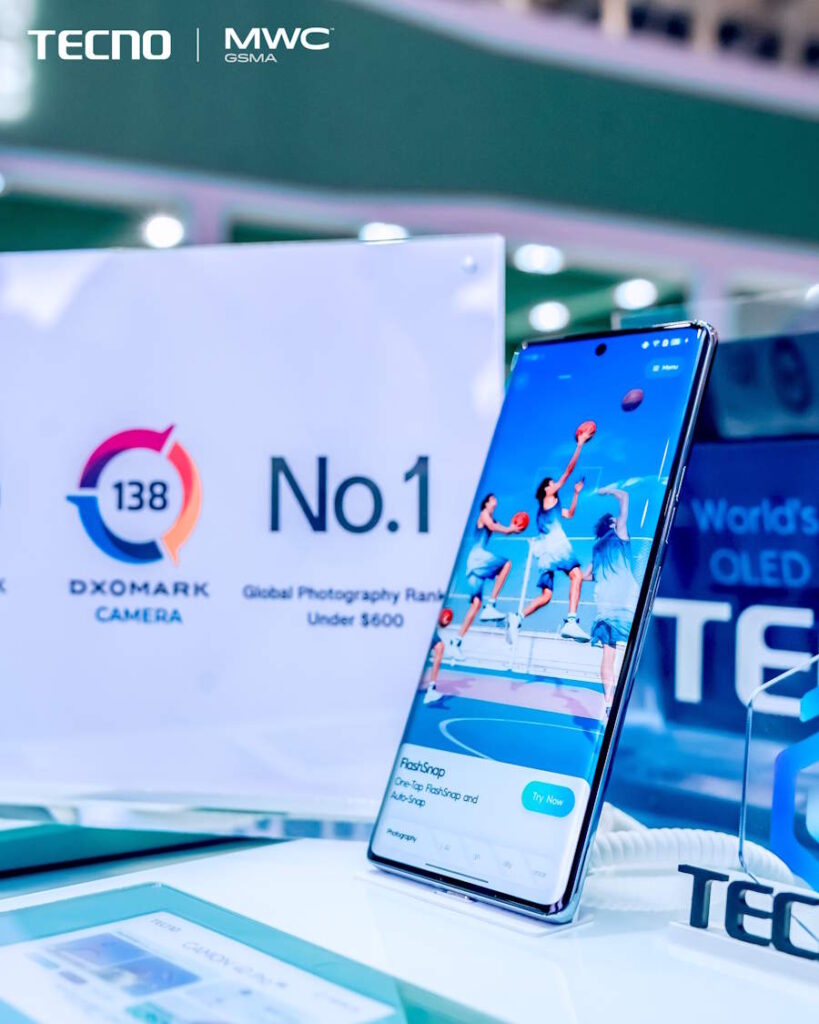
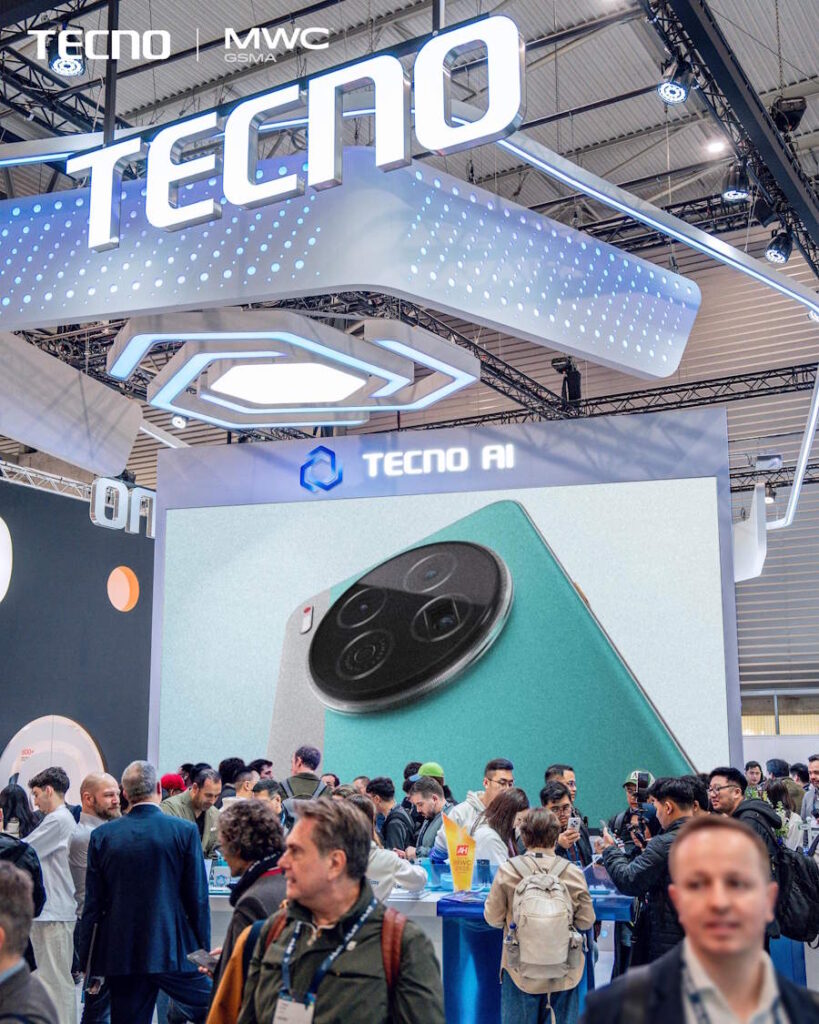
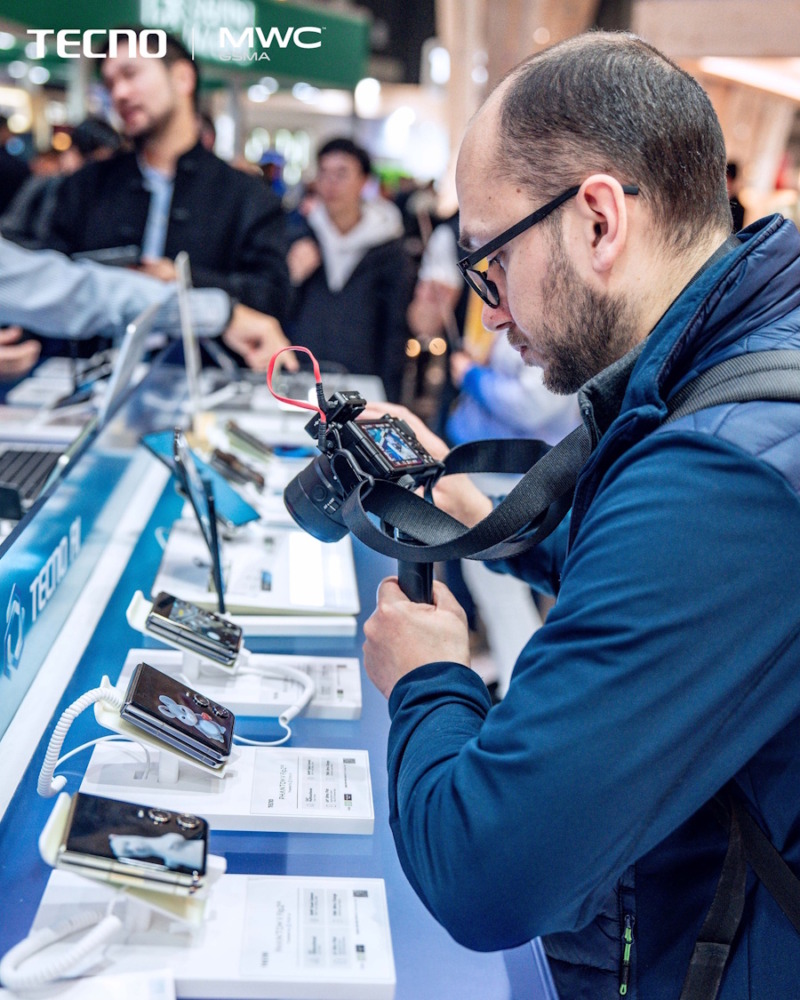
For Tecno, it’s also a matter of giving the stand a modern, futuristic feel. One that places the emphasis on products rather than branding. But this also reflects the fact it sells hardware rather than software.
In terms of what Tecno wants to get from the show, the key word is “exposure”, said Adam.
“There are a lot of Chinese mobile handset devices,” he pointed out. “Tecno has got some pretty feature flip phones and some interesting stuff, including smart glasses. So they really want to get their name out there, and this has been a very busy stand.”
The power of experience: why shows still matter
Adam and Jason mentioned “the power of experience” a couple of times during our walk across the MWC showfloor. So what, exactly, is that?
“Well, when you meet face to face, when you have a physical experience, when you are meeting people, that is something that is deep, versus when you get it in the digital form, or something that’s shallow,” said Adam.
That physical interaction matters, he explains, when it comes to making deals happen. “Real experience resonates more and it moves people to action. And we know that works because in the pandemic, when it went away and everyone went to pure digital or virtual, a lot of the product managers went, come on, we’re not getting the sales. And so, as bad as the pandemic was, it was a great reminder of the power of experience.”
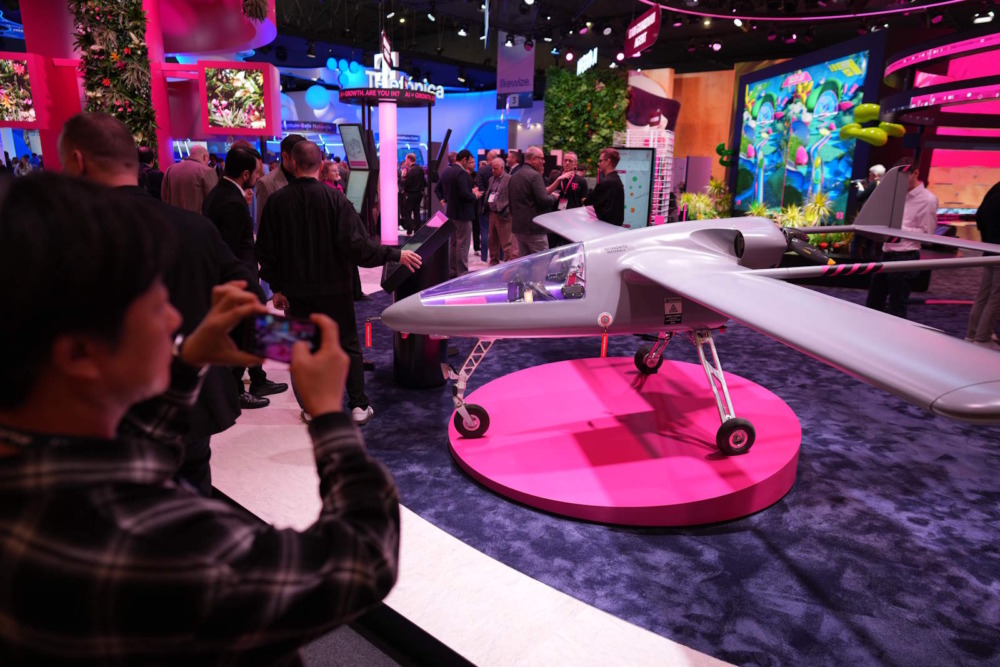
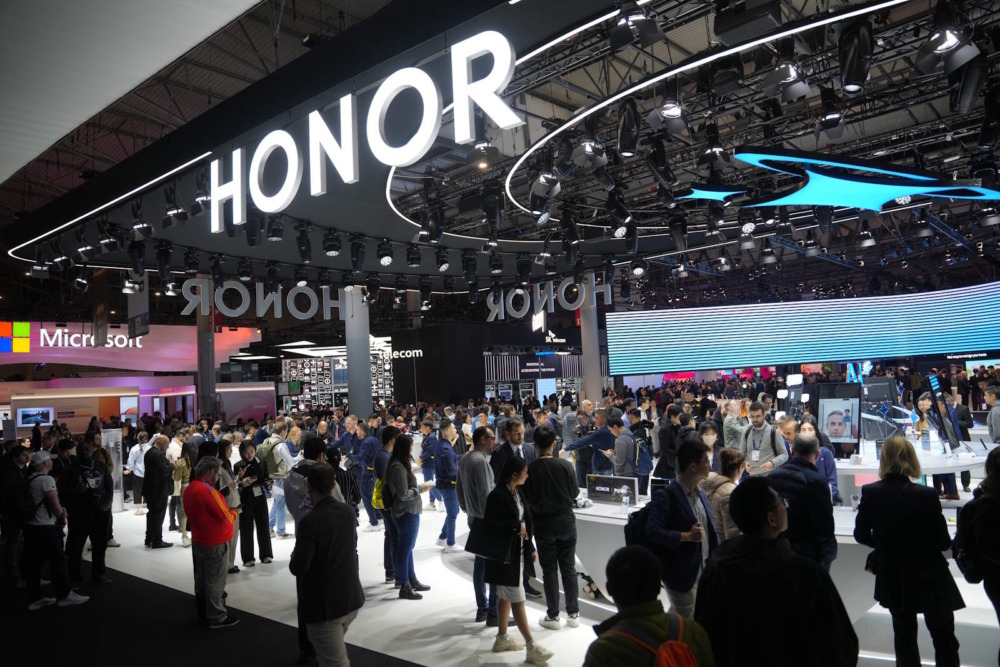
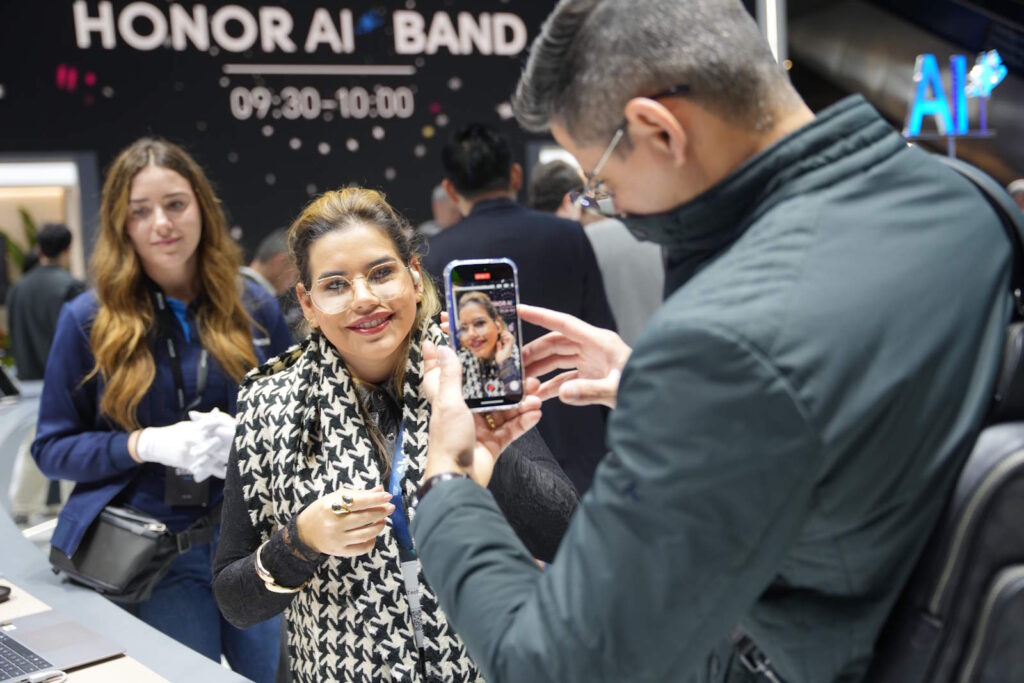
That’s why shows such as MWC and CES and the myriad of other face-to-face events have bounced back with a vengeance since the lockdowns. “The speed that, particularly in this type of environment, that the events world came back, was very, very fast and aggressive,” added Jason.
“It became a business imperative. Businesses were still surviving and making money throughout the pandemic because of their product range, but ultimately, they couldn’t convert the big deals in the enterprise space unless they physically met their customers.”
How to make sure your stand… stands out

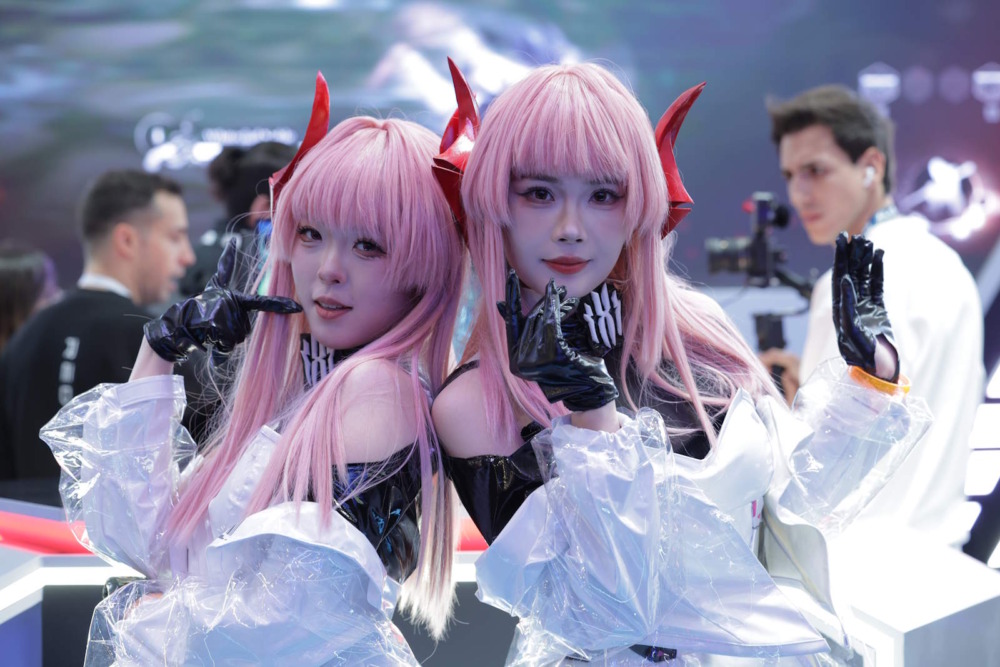
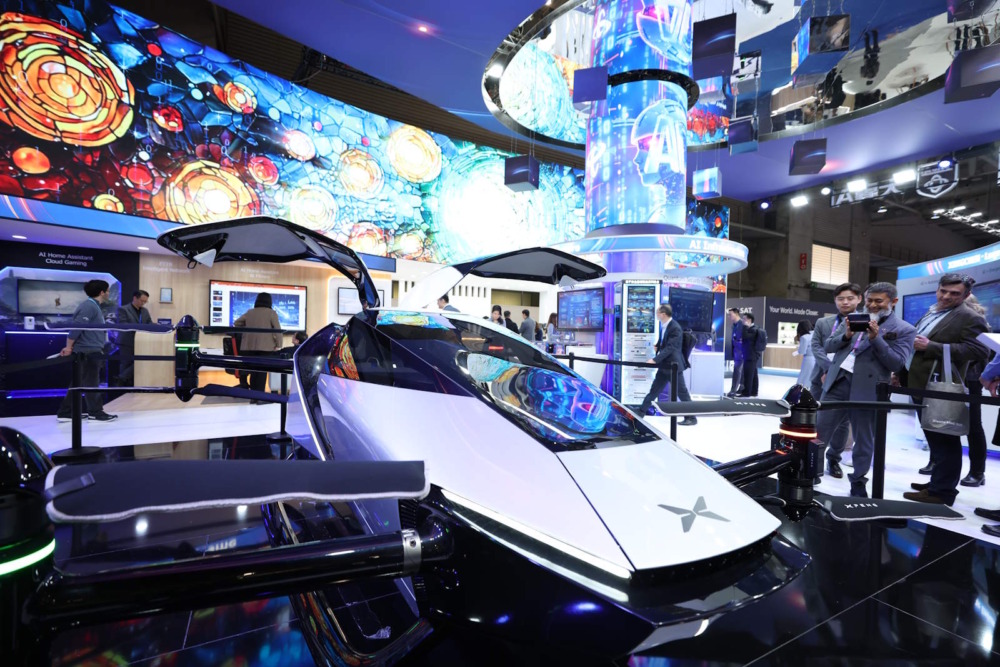
I asked Adam and Jason if they saw mistakes that other companies made when designing stands as they walked around MWC. A question they chose to sidestep, preferring to focus on the positives.
“I think one of the challenges is getting cut-through in a very, very noisy environment where there is everyone is clamouring for attention,” said Jason. “It’s less about the mistakes that some of the exhibitors are making, and more about where other people are having successes in gaining that cut-through.”
In particular, he adds, “they’ve created an environment that will either attract people to whatever product they’re demoing, or it’s an environment that feels very inviting to have one-on-one business meetings. So for me, it’s more about the standouts rather than the me-too stands.”
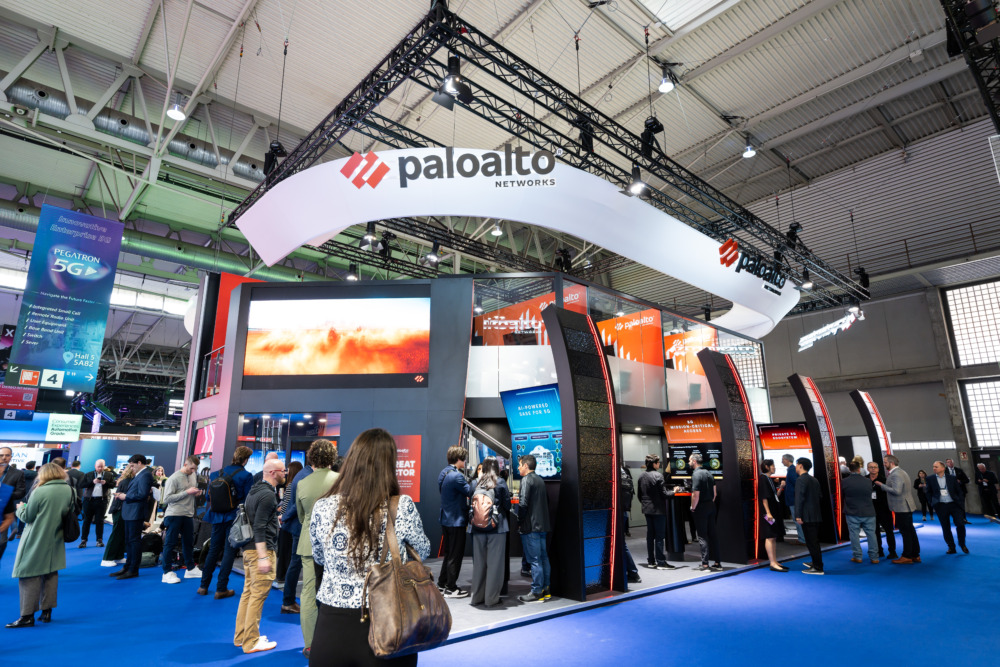
For Adam, the emphasis is on welcoming people into the stand. “This comes from my fear of high-end retail when you don’t feel invited to go inside,” he said. “I really like a stand to invite you in, even if there is a meeting space or a theatre or somewhere you go after. So I’m pro that style, and not as pro on the walled gardens where you can’t really come in.”
More stories from MWC Barcelona 2025
About The Author

Tim Danton
NEXT UP


