Trending Topics

 Trending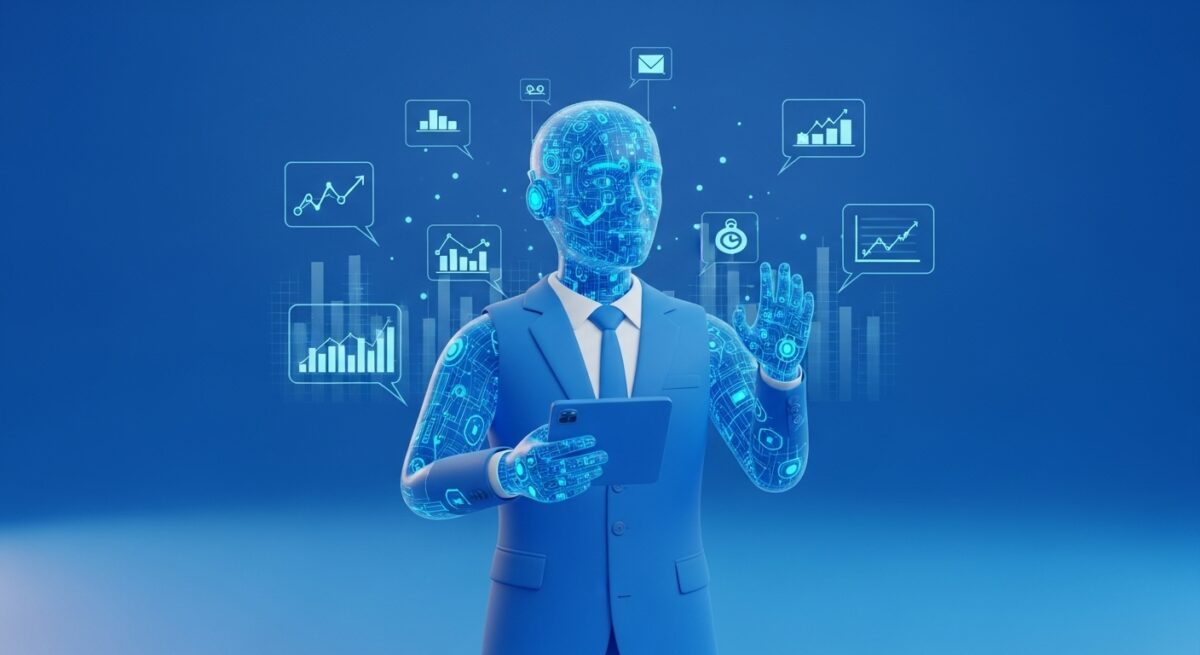
Secrets of the AI-powered trader

AI-powered trading isn’t just about speed; it’s about using advanced analytics and predictive insights to unlock consistent “alpha” and manage risk in ways human traders cannot

The digital asset market today has evolved far beyond the time when buying and holding Bitcoin was a viable trading strategy. Today’s crypto landscape spans centralized and decentralized exchanges, derivatives, stablecoins and tokenized assets, all only adding to the difficulty when it comes to interpreting real-time data. For traders, this complexity represents equally enormous opportunity and unparalleled risk, to the extent that traditional analysis alone can no longer keep the pace.
To assist with that struggle, artificial intelligence is here to help. By combining advanced analytics with predictive insights, AI-powered trading systems are steadily transforming how institutions and professionals alike identify patterns, manage their exposure and unlock consistent alpha. These tools go beyond automation, offering a deeper, data-driven understanding of how and why markets are moving.
To truly understand how to consistently maintain an edge in the digital asset economy – to unlock consistent “alpha” – you need to understand the core components, advantages and future implications that AI has in crypto trading, and what secrets can be unlocked by leveraging it effectively in the modern markets.

Amberdata 25: Q1 Digital Asset Market Intelligence
Download this summary of Amberdata’s Q1 2025 Market Report – a quarter defined by remarkable volatility, regulatory milestones, and significant institutional activity across the crypto landscape. To learn more at a glance, download this infographic, created in partnership with TechFinitive today!
Data is everything
In the world of digital assets, data is everything. Every second there are thousands of trades, wallet movements and on-chain transactions generating floods of information to keep track of. With historical and real-time data coexisting using different structures, it’s impossible for humans to interpret all of that data effectively. The challenge isn’t a lack of information, it’s how to stitch it all together into a coherent and actionable image.
That’s exactly the space where artificial intelligence changes the game. By processing vast and broadly unstructured datasets at machine speed, AI can identify correlations, anomalies and emerging trends across markets in real-time. It has the capability to transform raw, noisy data into a unified view of market activity, one that traders can actually leverage.
With the use of advanced analytics and predictive models, AI helps institutions move from reactive to proactive, uncovering opportunities and managing risks before the market shifts. In today’s ecosystem defined by complexity, AI can churn overwhelming real-time data down into a clear image in ways that humans could never achieve.
Turning AI into intelligence
Once AI has consolidated and organised market data, the next step is extracting actionable intelligence. Predictive analytics takes the unified view generated by AI and applies statistical and machine learning models to forecast potential market movements. These models are built to detect the most subtle patterns and relationships across asset classes that would otherwise be imperceptible to human analysis.
Traders can then use these insights to develop quantitative financial models and trading strategies designed to generate consistent alpha. By simulating thousands of scenarios, backtesting strategies against historical data and continuous refinement of models, AI enables a systematic and enhanced probability focused approach to trading.
Beyond predicting outcomes, AI-driven intelligence produces actionable indicators, from volatility forecasts to sentiment shifts, helping traders properly optimise their timing and risk management. In short, predictive analytics transforms the clear image that AI provides, and turns it into strategies and insights that drive superior performance and advantage in the ever-moving waters of digital asset markets.
Using AI to manage risk
In volatile digital asset markets, AI is increasingly being used to manage risk proactively. By analysing both real-time and historical data, AI can identify patterns and early warning signs of potential market disruptions. With predictive models being able to forecast periods of high volatility or correlations between seemingly unrelated assets, traders and institutions essentially have a framework to adjust positions before risks appear on the horizon.
Another way AI works to mitigate risk is by enabling dynamic scenario modeling, allowing portfolios to be stress-tested against countless hypothetical market conditions. Simulating a wide range of price movements, volatility spikes and asset correlations means that AI can reveal vulnerabilities in trades that might otherwise go unnoticed. And by allowing traders to explore “what-if” scenarios, they can adjust allocations and exposure strategies far from a safe distance in advance of any real trade.
The basic trick here is to turn complex datasets into actionable foresights. That’s how AI transforms risk assessment and management from a reactive necessity to a proactive competitive advantage. And in doing so it enables institutions to maintain resilience and confidence without sacrificing speed, even in the most turbulent of digital asset markets.
What tools can you use?
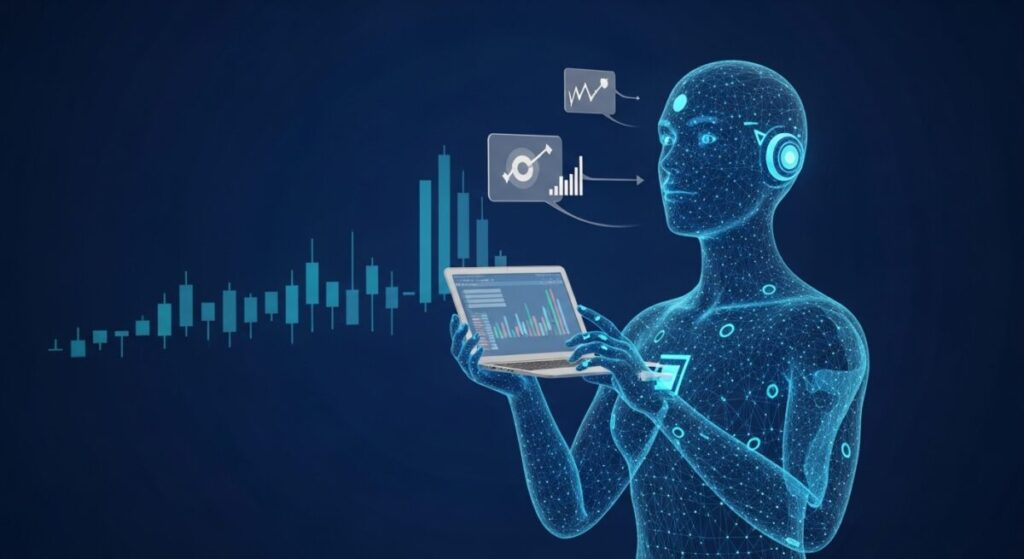
As a trader in today’s digital asset markets, you need tools that you can to make the most actionable decisions, and AI-compatible platforms do exactly that. These systems provide insights and advanced dashboards that let you spot trends and evaluate opportunities quickly and all in one place. You can visualise metrics, track positions and respond to market shifts with confidence, all within a single interface designed for professional decision-making.
Ultimately, these tools are about giving you clarity and control. They don’t replace expertise, they enhance it, letting you act decisively, manage risk proactively and pursue consistent alpha, all derived from datasets that humans simply don’t have the speed to keep up with alone. In a market where that speed, insight and foresight matters above all, having this technology at your fingertips is nothing short of a clear strategic advantage.
AI-powered trading: what’s next
In digital asset markets, relying on intuition alone is simply no longer enough. AI-powered trading supplies tools can anticipate movements, manage risk and make informed decisions with unprecedented confidence.
The question isn’t whether AI can help, it’s whether you can afford not to use it. Those who embrace these technologies position themselves to capture opportunities, optimise performance and stay ahead in a market where every second counts.
More articles in the Blockchain at Work series
About The Author

Rowan Campbell
NEXT UP