Trending Topics

 Trending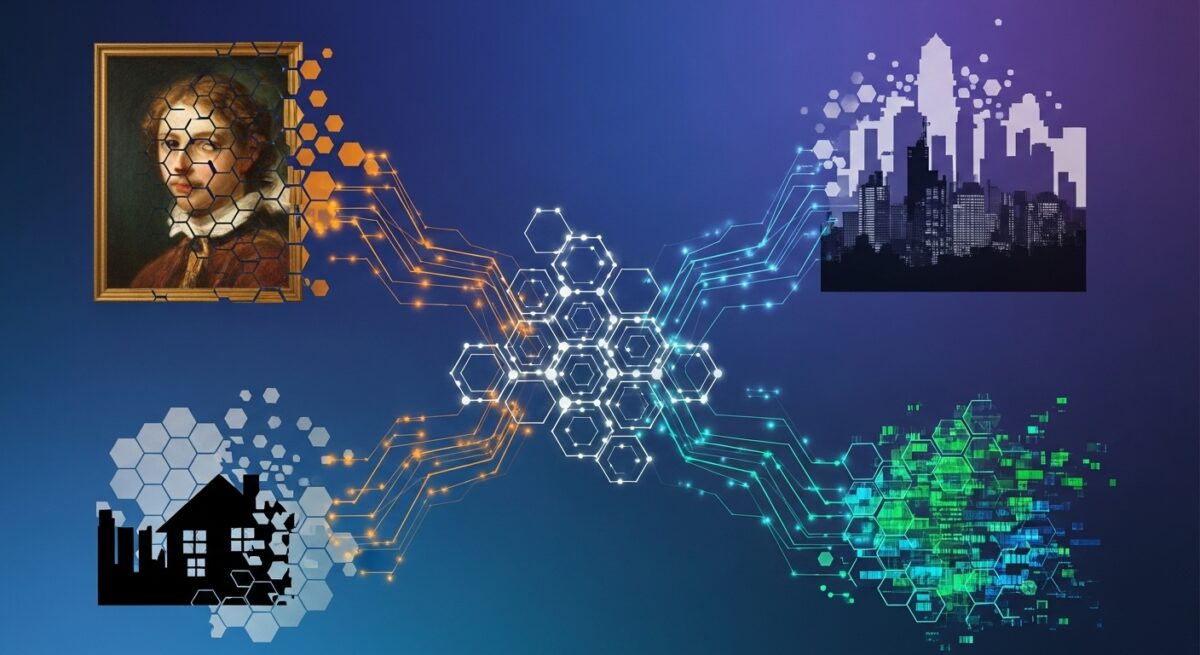
How tokenization is reshaping traditional industries, from real estate to the supply chain

We’re entering a new era where everything from property to art can be a digital token. This isn’t just tech, proponents argue, but a way to boost liquidity, broaden access and build trust in markets worldwide.

Of all of the applications that have emerged from blockchain technology, tokenization stands out as one of the most transformative. By exploiting blockchain’s core characteristics – immutability, transparency, divisibility and programmability – tokenization enables asset ownership to be more flexible, accessible and secure than ever before.
What began with digital currencies has now expanded into tokenized real estate, fine art, supply chains and even entertainment rights. Analysts estimate this market could represent more than $70 trillion in opportunity. So are they right: could tokenization be the foundational pillar for the global economy of tomorrow?
Here, we explain not only how tokenization works but how it’s being used.
What is tokenization?
At its simplest, tokenization works just like shares in a typical business listed on a stock exchange. So ownership of the company is split into, say, 100 pieces, each of which we call a share. Now move the idea away from a company and into a piece of artwork, or a digital asset such as a cryptocurrency.
So tokenization is the principle of converting the ownership of any asset – physical or digital – into many pieces that each exist on a blockchain. These tokens can then be sold or transferred, or further divided into yet more tokens. And because every transaction is logged on the blockchain, it’s both secure and transparent.
Why tokenization has taken hold
Part of the reason tokenization has gained traction in recent years is attributed to its ability to bridge the gap between physical and digital assets. By converting traditionally “illiquid” or otherwise inaccessible assets into flexible, tradable, digitised units, tokenization has drastically expanded the number of people who can participate in the market’s once narrow pool of investors.
Beyond expanding the potential for new players in the game, tokenization unlocks liquidity. It takes assets that would otherwise be left to sit idle and makes them easy to trade and manage. These freshly tokenized assets can move seamlessly across decentralised and centralised platforms, broadening access across the board.
The market opportunity for this kind of system is vast, but the applications extend far beyond finance. Supply management companies stand to gain transparency, art markets to gain accessibility, and entertainment industries unlock new models for interactive fan engagement.
In short, tokenization creates new opportunities for investment while improving trust across industries. It’s this combination of liquidity, transparency and accessibility that shows why tokenization has shifted so dramatically from experimental crypto concept to the mainstream economic innovation it can be seen as today.

Digital assets are maturing and market intelligence is catching up.
This 2025 outlook dives into the trends, data, and insights shaping the next wave of digital finance. From institutional adoption to regulatory shifts, it highlights how smarter analytics are driving better decisions in crypto, tokenized assets, and beyond. For financial professionals, it’s a glimpse into where the market is headed—and how to stay ahead.
Click through to explore more
How tokenization is being used

The impact of this tokenization isn’t just a thing of the future, it’s already plainly visible across industries. In real estate, tokenization lowers the barrier to entry by enabling the fractional ownership of high-value properties, allowing investors to participate in markets that were once restricted to the top 1%.
In the art world, tokenization provides liquidity for collectors whilst opening fresh revenue streams for the artists and creators behind the scenes – they can now embed royalties directly into their work. For supply chains, the adoption of tokenization can enhance transparency and efficiency, enabling goods to be tracked with immutable records that serve to build trust and reduce fraud.
In entertainment, tokenization unlocks fractional ownership of media rights, provides direct funding channels for creators and strengthens fan engagement through unique and easily tradable digital assets. Together, these applications show the ability for tokenization to reshape both investment and participation models across industries.
What happens next
As adoption of tokenization accelerates, the next challenge is making sure that markets are ready to support it at scale. Representing real-world assets on the blockchain requires robust infrastructure to manage data, maintain compliance and integrate seamlessly with existing systems. Without strong infrastructure, tokenization risks becoming fragmented, inefficient and difficult to trust for prospective adopters.
Regulatory clarity will also be critical to this process. While tokenization offers enormous potential, inconsistent rules threaten to be a barrier for true mainstream adoption. Fortunately on that front, initiatives such as the SEC’s recent “Project Crypto” represent a massive step towards providing the governmental level certainty institutions need to commit their capital.
The bigger picture is that tokenization is no longer confined to niche crypto use cases, it’s now on track to become a foundational element of the new global economy. Across all industries possible, tokenization is being put into place to create more transparent, efficient and liquid markets.
More articles in the Blockchain at Work series
About The Author

Rowan Campbell
NEXT UP