Trending Topics

 Trending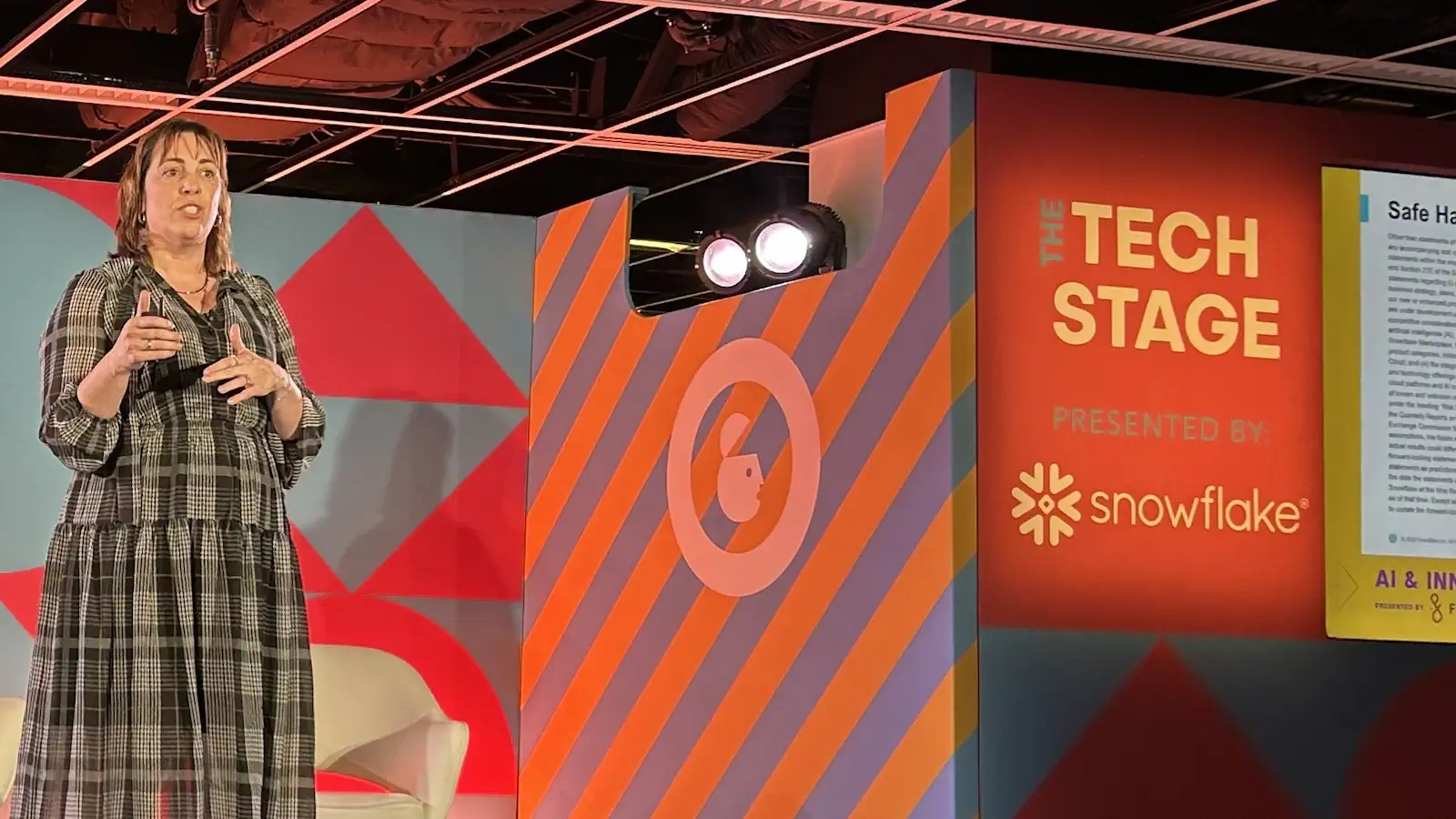
Before AI agents touch media decisions you must build the context they need

While Donald Trump wants to rebrand Artificial Intelligence as Super Intelligence, one big takeaway from Advertising Week New York is that we need trust more than superpowers. We saw this in our first article, Nobody builds trust alone, and it was hammered home in a briefing hosted by Snowflake entitled “What AI Agents Need Before They Touch a Media Decision“.
The core argument: that before AI agents make media decisions, organisations need to bake in context, structure their data and establish both governance and human oversight. Only by doing so can you give your employees those much-sought AI superpowers.
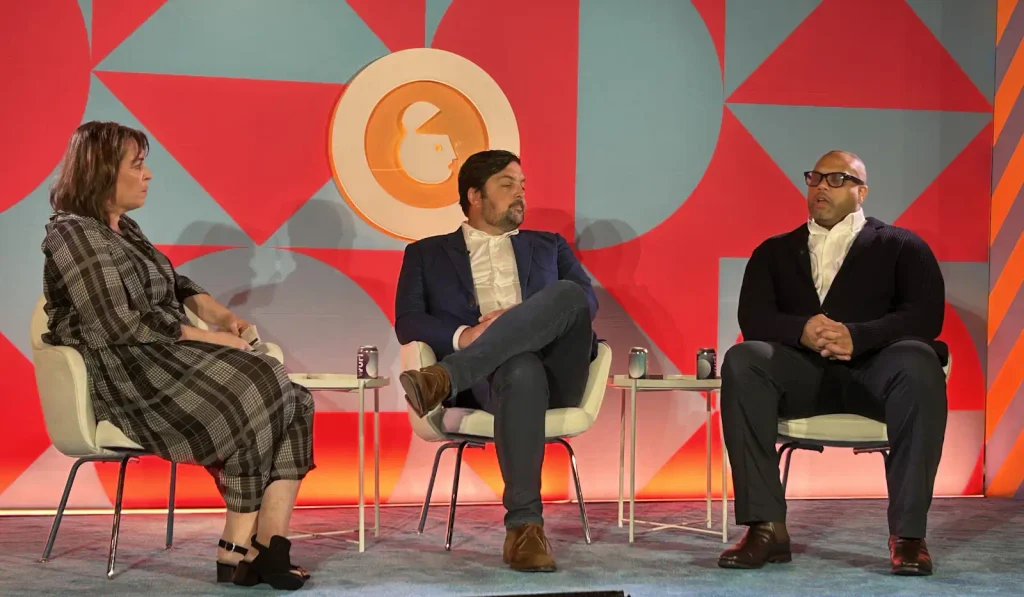
“Your agents are going to understand the context of the signals to be able to act on it responsibly, but we have to think a lot about how we actually bring those signals into a platform and start to think about how we govern and create that context at scale,” said Snowflake’s Erin Foxworthy, who hosted the panel.
AI in media: What makes an agent useful
For Jason Dailey, Head of Agency at Meta, there’s one easy way to summarise what marks out a useful AI agent. “I think about three Cs: context, constraints, and then understanding what the consequences are.”
It needs to understand a client’s budget constraints, for a start. “It understands what margin looks like. It understands seasonality. It understands what a brand will and will not do.”
But even this wasn’t the hard part, he says. “The hard part was how do you take those three Cs and then actually get that into the ad system because now you’re bumping up against organisational silos, priorities, egos, policies, different kinds of technical problems, and so you need to bring everyone together to solve that.
“Which is why I think having you know the brand with the tech partner, the ad partner, and the agency involved is so crucial to making it work.”
It all comes back to data
While LLMs are brilliant at adding context that humans alone might miss – Dailey gave the example of an event like the Grammys happening and increasing the amount of music content on Meta’s platforms – it isn’t simply a matter of gathering data.
“The problem was never about having too much data,” he says. “There’s enough data…. but it needs to be high quality and structured, and then you need the connectors and the endpoints that will allow that data to transverse different surfaces.”
Foxworthy asked if there’s still a gap: are we missing a key development? “I think what we’re missing is maybe the risk of building too complex and fragmented an ecosystem.”
Governance and the Snowflake touch
At this point Snowflake’s Foxworthy turned to Mike Treon, Head of CTV & Video Strategy at PMG, who explained how his company had balanced impact with good governance.
“We put on everybody’s desk in the organisation a white label IDE, like VS Code but centralised to the organisation, tied to our current authentication stack, connected to the MCPs, connected to our G Suite and Slack, and said, okay, now accelerate your own work,” he said.
The idea that non-experts could develop their own apps but with oversight.
That was one big factor: another was “being open to opportunities within Snowflake… That’s our governance layer.”
This means they can introduce AI-assisted coding in a safer way. “We’ve got a container where that app or something can live, and the same is true in Snowflake. You know, building frameworks around collaboration and data clean rooms and data access and PII in that data.”
He added that AI agents are democratising access to data and advanced tools. You need to make sure you’re managing risk by opening up tools that would previously have been unique to dev teams, but the rewards outweigh the risks – with good governance.
A new era for customisability
All this is good background information, but perhaps the most interesting part of the talk came when Dailey explained how employees – who tended to be the early adopters – were using AI to help them in their work.
“A really interesting example is creating an account hygiene tool that actually analyses account structures and performance hygiene overnight, so that when you come in the next morning, you’ve got a task prioritised list, and that’s just work that nobody was doing before,” he said.
Meta’s Mike Treon added that until now campaign operators and analysts were “hamstrung” by an ad platform with a single UX experience. This can now be customised.
“I think being able to coordinate between that and say, ‘Oh, it’s easier if I plan this way or bring this data from here all at once, like that configurability is great’. And for a platform like Meta with that type of advertiser scale, it allows for endless customisation for interaction.”
Related articles
About The Author