Trending Topics

 Trending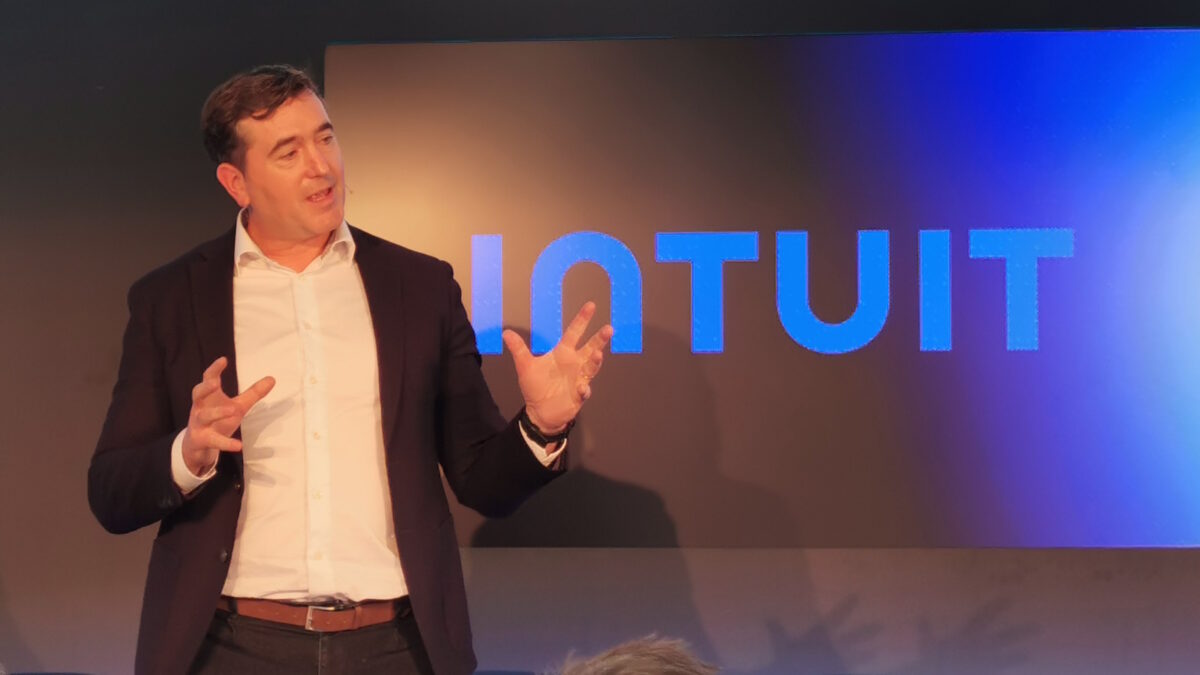
Ciarán Quilty, Senior VP International, Intuit: “AI can be really used in a positive way to help SMEs focus on what they want to do”

You may not have noticed, but AI is everywhere. Governments are investing billions. HPE is announcing new AI supercomputers every two minutes. And this week marked the global launch of Intuit’s AI agents to take the burden away from business owners and help them spot opportunities. It was against this background that I stole ten minutes with Ciarán Quilty, Intuit’s Senior Vice President, International, at the AI agents’ London launch.
And, with a desperate lack of originality, the first question I asked him was about AI.
Just looking a the past year, how do you see the role of AI changing for businesses?
“I’d say that the change is adoption, just how fast it’s all moving. I think that’s the big change. So we do a very regular survey on SMEs. Our last bulletin, I think the number was up at 70% of SMEs are now using AI, and if I had met you about three months ago, we would say, you know, it’s around 20, 30%. Just the pace of adoption is amazing.
“I think AI can be really used in a positive way to help SMEs focus on what they want to do, which is help them accelerate their execution.”
And what excites you about the latest update from Intuit?
“What I’m very excited about at Intuit is we recognise AI can’t do everything. At the end of the day, business is about collaboration: collaboration with people, experts, whether that’s an accountant, bookkeeper, the people on your team, the people in your company, and we’ve built that platform with that ground up.
“So the combination of AI, data and expertise, I do think is a very compelling proposition, and I think it’s designed with helping small businesses run, grow their business and solving more of those critical jobs that they need to do, to help them do.”
During a panel discussion run by Intuit, one of the contributors mentioned that AI wasn’t cool. I’m wondering, what can Intuit do to make AI cool?
“Well, I’m not really sure – is that backed up? Does everyone think AI is cool or not?
“I can tell you our philosophy on AI, which is, we’re very clear, you should not fall in love with the technology. You need to fall in love with the customer problem.
“That’s where we start. What is the customer problem, what is that critical job to be done that the business needs, whether it’s to manage sales, get paid, get paid faster, get back to your customer quicker. Organise your taxes, your bookkeeping, your cash flow.
“I think we stay very focused on the problem that the customer is trying to solve, and then I think it’s the application of AI, data and expertise that helps businesses do that properly. That’s our philosophy. Don’t fall in love with technology. Fall in love with the customer problem, the application.
“That ultimately allows businesses do what they love, spend more time with customers, innovate, spend, launch products, run their companies.”
Can you give me a couple of concrete examples of how Intuit’s AI can help companies?
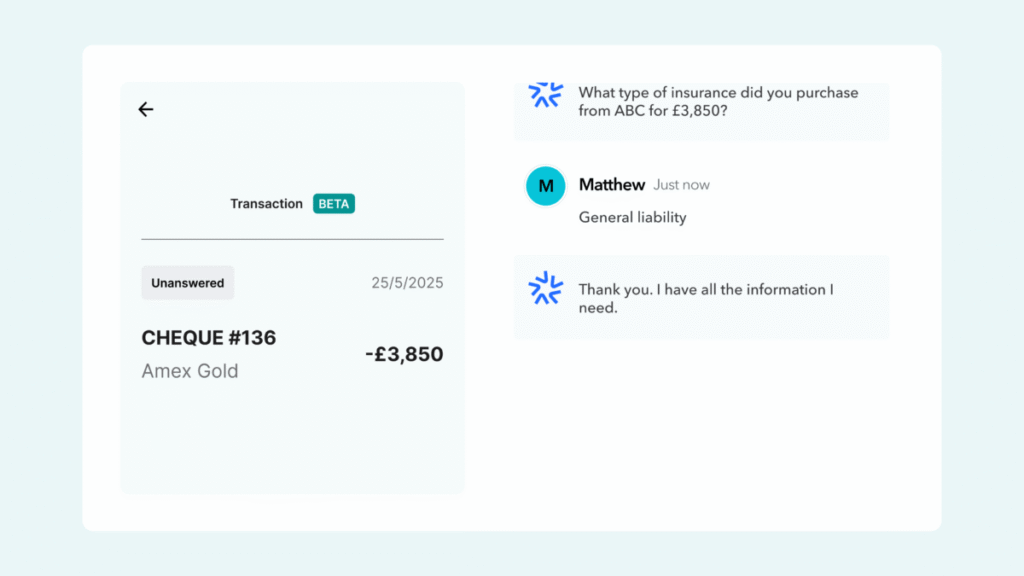
“I’m sure you’ve worked with an electrician, a garden landscaper, a plumber, you try and get in touch with them. Maybe it takes them a long time to come back to you. Maybe it takes a long time for them to call out to the house. Then you get the work done, and then probably a month later, you get an invoice, and then maybe two months later, a phone call going, hey, you need to pay, right?
“So the [Intuit AI] Customer Agent is great example for those examples. You can integrate your inbox with the Customer Agent so that a lot of that process gets sped up. So the phone call, obviously, getting an answer. The quote is produced, the estimates, so the job is scheduled. It’s good for the end consumer, good for the business, and ultimately, the payment, the invoice, all happens faster.
“That’s the design principle behind the Customer Agent, and we think that’s very applicable for those kind of service-based businesses.”
But if I take the example of my plumber, he gets in touch via WhatsApp. Will Intuit’s system cope with that?
“Yeah, so it’s going to be integrated across all the [ways people communicate]. This is is a start, and we will keep building it out.
“But that’s a good example of a Customer Agent. Another great example is if you take the Accounting Agent. So all these business events that are happening, like someone in your team goes out for a lunch with a client and gets the receipt for an expense, and the Accounting Agent will be constantly in the background categorising those transactions, helping to ensure the terms look right, the cash flow, the balance sheet, the receipt gets digitised. That kind of work frees business owners up to do what they really want.
“Another great example is the tax agent. So I’m sure you file your tax returns: what’s your big fear? The big fear I have is you make a mistake that comes back in two or three years time. And that’s what the Tax Agent does: it goes through and helps you find anomalies and flags to your accountant or your bookkeeper, like just check this and organising it again.
“A lot of that is freeing you up from the mundane day-to-day grind and ultimately, allows people to do what they love, whether it’s advisory, like accountants and bookkeepers, or whether it’s an electrician or plumber, or a mid-sized company or whatever else.”
So what would you say to an accountant who’s worried that all these AI agents are going to take over their jobs?
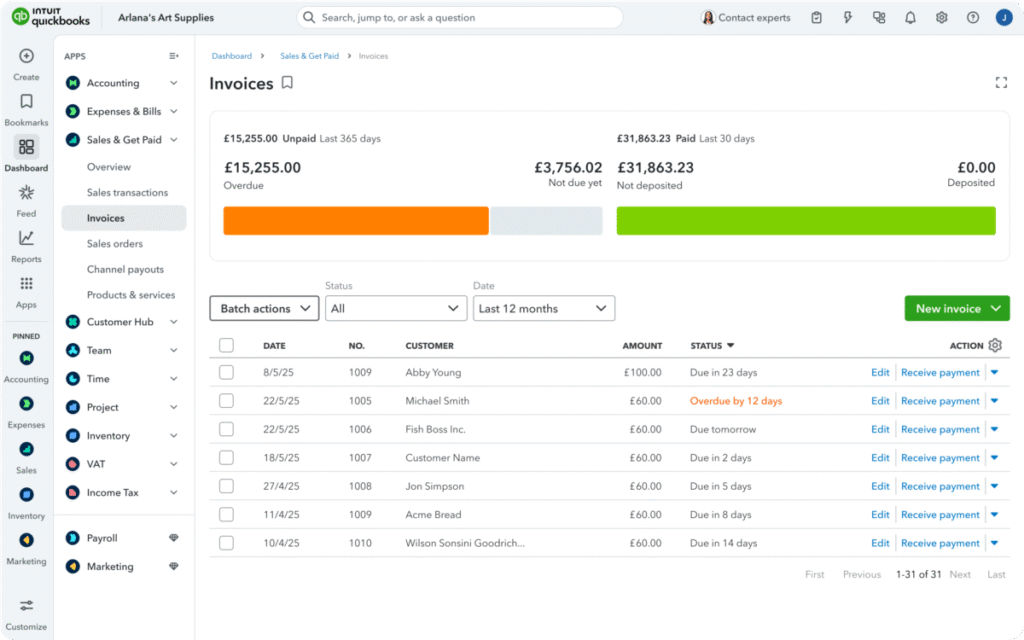
“From the accountants we work with, that is less of their worry. A lot of what they’re focused on is where they deliver their value, but also where they get job satisfaction – that’s advising clients how to grow their business. I don’t think they’re getting job satisfaction from manually categorising receipts or transactions. So for them, I think it’s about freeing up their time, and that allows them build their advisory services.
“And equally, a healthier business is good for the accountant. That’s why the feedback so far from the US, on the Intuit accounting suite and the work we’re doing there, is very, very positive.”
To finish with, let’s take a wider view. Governments need companies need businesses to be productive, so how will platforms like yours help and how are you working with governments to make this happen?
“We’re very supportive of the UK government’s recent initiative to train people in AI by 2030. We think that’s a great initiative. We’re part of it. We’re going to help.
“I think another initiative where the Government has been very intentional around using tools like ours is to file taxes. But I think what’s behind it is a very strategic intention to help SMEs get better, because from every interaction we have with government, we’re very aware of the importance of the SME economy. They want it to grow and equally do, and we want to be a good actor and a good partner to government to help them do it.”
And do you think that the UK government actually “gets” AI, that it understands what it can do?
“I do, because they’re very aware of the importance of SMEs. You can’t get past the data: five and a half million SMEs here [in the UK], three in five private sector jobs. I think it’s like 99.8% private sector companies. So I think they are focused on it. We’re certainly focused on helping them, and obviously we’re very focused on SMEs. So we think growing the SME economy is good for all, and I think ultimately leads to more innovation, good jobs and good companies.”
Related articles
About The Author

Tim Danton
NEXT UP


