Trending Topics

 Trending
Inside Kaiko’s Amberdata deal: what crypto data consolidation means for institutions

Kaiko’s acquisition of Amberdata is more than another crypto M&A headline. It is a case study in how digital asset data is being industrialised, moving from fragmented exchange APIs toward the kind of institutional plumbing that traditional finance expects. Kaiko describes the transaction as “the most significant consolidation in the institutional digital asset data industry” and says the combined company now serves 260+ institutional clients, with infrastructure covering 200+ exchanges, 20+ blockchains and 20,000+ digital assets.
How crypto data grew up
In crypto’s early years, market data was often a patchwork of venue APIs, spreadsheets and specialist dashboards. That was tolerable for retail traders, but not for banks, asset managers and hedge funds that need auditable pricing, derivatives risk tools and compliance-grade analytics.
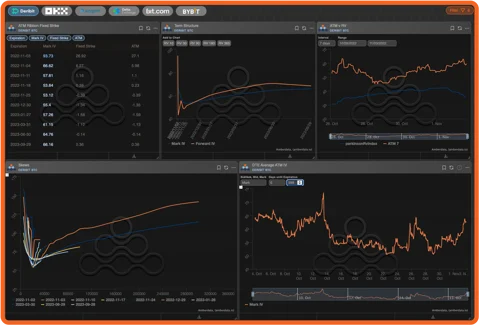
Amberdata adds several of those missing layers: derivatives analytics, on-chain data and AI-powered market intelligence. The deal also brings in Amberdata’s GVOL options analytics, which Kaiko reportedly viewed as one of the most requested capabilities from institutional clients.
Why independence matters
The strategic point is trust.
Regulated finance is cautious about relying on data from exchanges or vertically integrated players that may also list, trade or monetise the assets being priced. Kaiko is positioning itself as the independent alternative: a pure data infrastructure provider with market data, analytics, indices and on-chain rails.
That sounds familiar.
In traditional finance, data economics has consolidated around a few powerful platforms, including Bloomberg, LSEG/Refinitiv and S&P Global. The UK FCA has also warned that wholesale data markets show evidence and drivers of market power.
The full-stack bet
Amberdata follows Kaiko’s acquisition of Vinter, Europe’s crypto index provider for ETP issuers, and Cometh, a MiCA/CASP-licensed DeFi infrastructure firm. Together, these deals give Kaiko a stack spanning spot markets, derivatives, on-chain activity, indices, oracles and tokenisation infrastructure.
For institutions, consolidation can simplify procurement and improve data consistency. For smaller data startups, the picture is tougher: bigger platforms can raise the bar on reliability, but also increase pricing power.
Crypto data may not yet have its Bloomberg moment. But the Kaiko-Amberdata deal suggests it is heading there: fewer pipes, deeper coverage and a stronger institutional wrapper around digital assets.
About The Author

Kihara Kimachia
NEXT UP


