Trending Topics

 Trending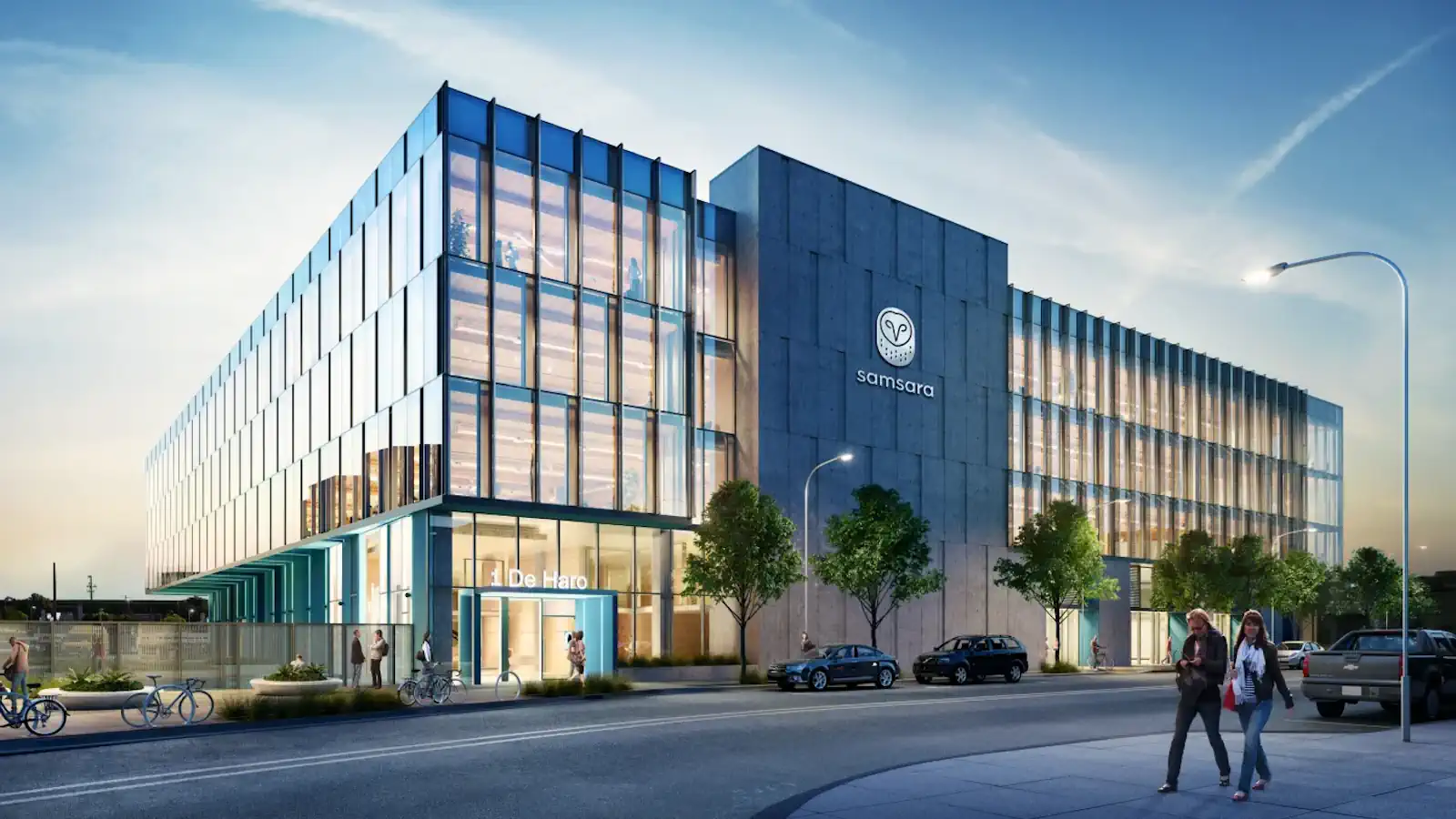
Samsara’s TIME recognition shows how AI is reshaping physical operations

Samsara’s inclusion in TIME’s 2026 list of influential manufacturing and logistics companies is not just a branding win. It is another signal that AI is moving beyond software teams and into the vehicles, depots, routes and frontline workflows that keep the physical economy running.
TIME included Samsara in its Manufacturing and Logistics category, highlighting the company’s fleet operations platform and AI dash cam technology. It noted that Samsara, founded in 2015, now serves customers including DHL, the State of New York and Southern California Edison.
The timing is important.
Physical operations account for roughly 40% of global GDP, according to Samsara, yet many organisations in transport, logistics, utilities and field services still depend on manual processes and disconnected systems. Samsara’s pitch is that its connected operations platform can bring people, equipment, sites and systems into a single operational view.
And as an aside, it also gained headlines for this Superbowl advert.
Safety is the centrepiece
TIME cited company data showing that fleets deploying Samsara’s AI dash cams saw a 73% reduction in accidents after 30 months, based on data from more than 2,600 customers. Samsara’s own release also points to First Student, which says Samsara AI Dash Cams helped cut rolling stops by 54%, forward collisions by 63% and inattentive driving behaviours by 81%.
Those figures explain why logistics technology is becoming less about tracking dots on a map and more about changing behaviour in real time. Samsara Coach, for example, uses AI to prioritise risk and support driver coaching at scale, including in-cab audio guidance.
There are still questions businesses need to ask.
AI-powered monitoring can improve safety, but it also requires transparency with drivers, strong governance and clear rules around data use. The most successful deployments will be those that treat frontline workers as participants in the safety process, not simply subjects of surveillance.
Samsara’s recognition shows where the market is heading.
In logistics, AI’s biggest impact may not be autonomous trucks arriving overnight. It may be the quieter optimisation of daily operations: fewer collisions, better routing, lower fuel waste and managers who can intervene before small risks become expensive incidents.
About The Author

Kihara Kimachia
NEXT UP


