Trending Topics

 Trending
Samsara at HumanX 2026: the mixed-autonomy revolution hits fleets

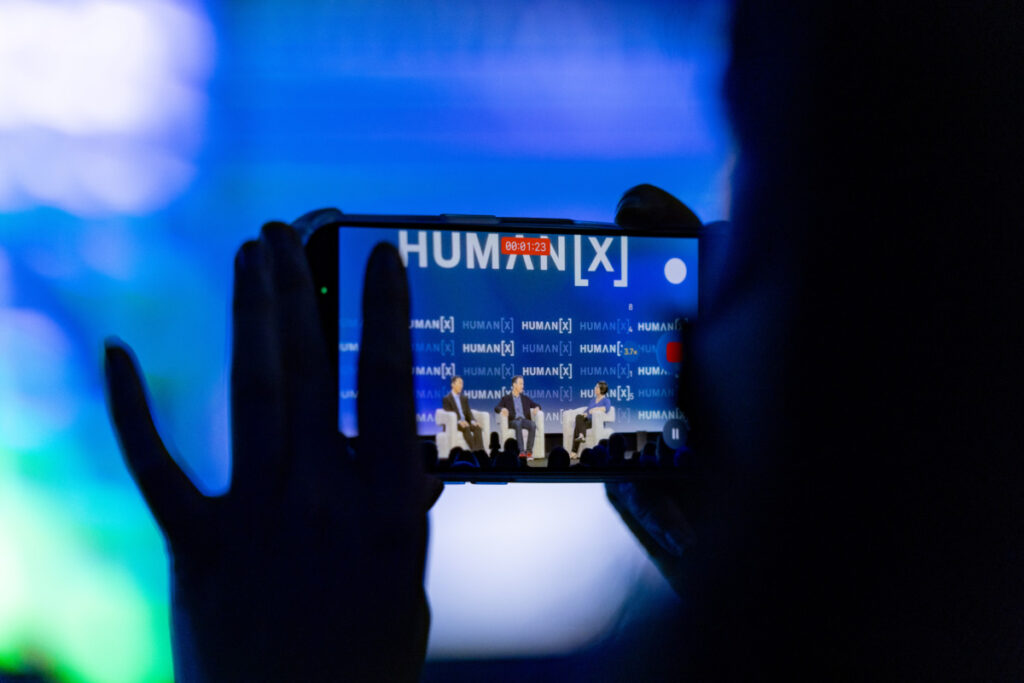
When Samsara sent its SVP of Product, Johan Land, to HumanX 2026 to join Aurora and Serve Robotics for a panel on “Orchestrating the Mixed-Autonomy Revolution”, it was doing more than borrowing AI-conference language. The company was putting a name to the operating reality fleets are heading toward: one in which human drivers, advanced driver-assistance systems, autonomous trucks and delivery robots increasingly share the same roads and, eventually, the same control plane.
Samsara’s own framing is telling. It describes itself as the orchestration layer giving operators a unified view across human-led operations, autonomous long-haul rigs and last-mile robotics.
That vision became more concrete on 9 April 2026 when Samsara expanded its Pre-Delivery Installation program with International Motors, allowing new International trucks and IC Bus school buses to leave factory modification centres with Samsara hardware already installed and activated. The devices include vehicle gateways, dash cams, AI Multicam and external cameras.
The practical value is straightforward: fewer weeks lost to aftermarket installs, lower admin overhead and a vehicle that is data-ready from day one. For large operators, that matters. First Student, cited in the announcement, runs nearly 49,000 vehicles, while International says more than 200,000 of its trucks and IC buses are already equipped with Samsara products.
Mixed autonomy needs one dispatch logic
The more interesting signal comes from International’s own autonomy roadmap.
On 31 March, it launched a live Level 4 autonomous fleet trial with Ryder on a daily 600-mile route between Laredo and Temple, Texas. Early results included 100% on-time delivery and 92% autonomous route coverage, albeit with a human safety driver supervising operations. That is the shape of mixed autonomy in practice: not full replacement, but layered capability.
That is why fleet operators should stop thinking about autonomy as a future vehicle class and start thinking about it as a dispatch problem. The critical question is not whether one truck can drive itself. It is whether the system can decide which routes suit human drivers, which ones suit ADAS-equipped vehicles, which are ready for supervised autonomy, and how maintenance, compliance, video, incident data and routing intelligence all flow into one operational view.
Samsara’s wager is that the fleet platform becomes that control tower. If it’s right, the mixed-autonomy revolution won’t be won by the vehicle alone. It will be won by the software that keeps humans and machines working from the same screen.
You might also be interested
About The Author

Kihara Kimachia
NEXT UP


