Trending Topics

 Trending
Reporting in 2026: how to move from siloed reports to strategic insights

Siloed reports slow down decision-making and cause confusion, especially when businesses need real-time insights to stay competitive in 2026.

For many organizations, reporting is still more about matching up numbers than gaining insights. Finance teams pull data from ERP systems into spreadsheets, operations teams use SaaS dashboards, and IT pieces together one-off queries. This leads to a mix of reports that show what happened, but don’t help with next steps.
In 2026, that approach is becoming a liability. Markets are moving faster and leadership teams expect answers in hours rather than weeks, making real-time insights essential for effective decision-making. Siloed reporting can no longer keep up.
You also need to think about trust and governance. Do you know the lineage of the numbers you’re quoting? Have you controlled access to sensitive data? If someone challenges you on your numbers, how much confidence do you have? Would they survive an audit?
In short, reporting in 2026 is a different beast to what it was even two years ago. Using old methods could prove to be an expensive mistake.
The cost of fragmented reporting
Traditional reporting isn’t short on data. The real problem is that data is stuck in systems that don’t connect. For example, general ledger data resides in ERP platforms, operational metrics are in specialized SaaS tools, and ad hoc analysis often relies on manual exports or custom SQL queries from a few technical experts.
This split causes problems everywhere. Finance teams spend days matching numbers between systems before they can start analysing. Operational leaders use dashboards that show activity without the financial or strategic context they need. Executives get reports with different versions of the truth, which makes them trust the data less.
By the time reports are ready and shared, the information might already be old. Decisions end up being based on past data rather than on what’s happening now. This delay can lead to missed chances or slow responses to new risks.
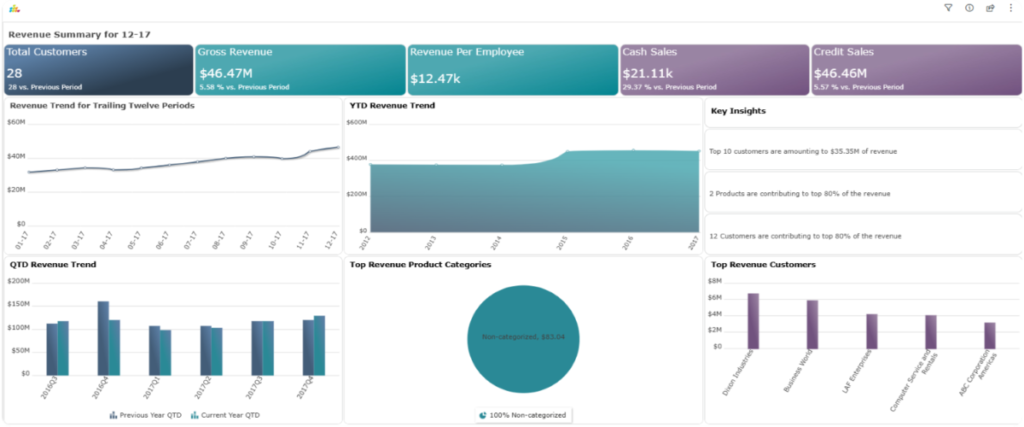
From reports to insight
To move forward, businesses need to change how they see reporting. Instead of viewing reports as final products, organizations must treat reporting as a steady flow of information that supports daily decision-making.
When financial and operational data are available in one place, it’s possible to analyze business performance right away. This enables leaders to make faster decisions without waiting for manual work as they can dig into details or look at trends, all using the same data.
This is where platforms like those from SplashBI help. Instead of making teams leave their current systems, SplashBI connects directly to them. This allows data to flow from ERPs and databases in a controlled, managed way.
Connecting the general ledger
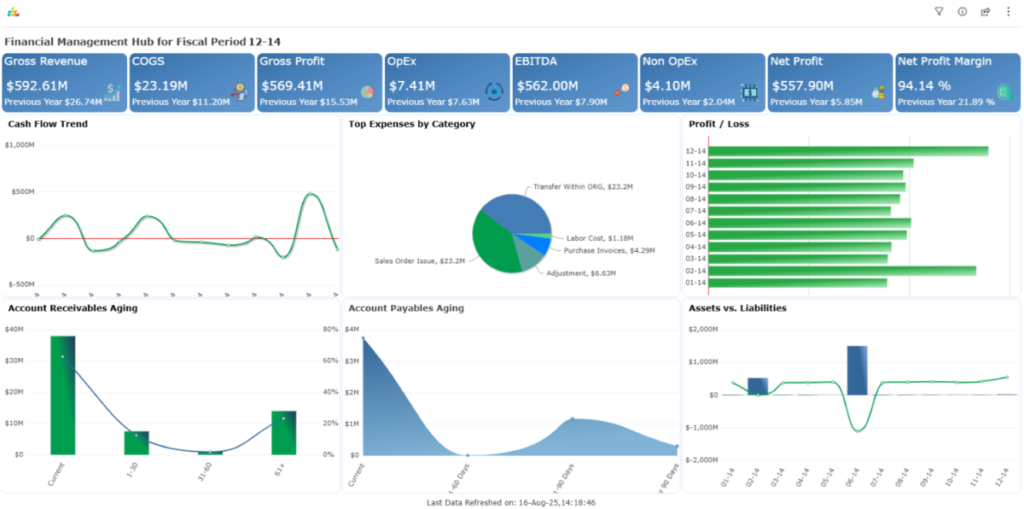
Finance teams have long struggled to access general ledger data. GL systems hold a lot of information, but it’s hard to report on without specialized tools or extensive IT support. Data extracts are often static and quickly go out of date, and any change in reporting needs can mean starting over.
GL Connect solves this problem by giving direct, real-time access to general ledger data, so there’s no need for repeated exports. It integrates with existing ERP systems, allowing finance teams to create reports that show the current state of the books, not just last week’s numbers. What’s more, because the connection is live, any changes to the data appear right away, which means less time spent reconciling and more trust in the numbers.
This approach also helps teams outside of finance work together. When financial data is shared securely with other departments, it’s easier to connect what’s happening operationally to financial results. This link is often missing in traditional reporting, but it’s key for making good strategic decisions.
Democratizing data with SQL Connect
While finance teams deal with complex ERPs, operational and technical teams face a different problem: only a few people can write SQL queries, so data requests pile up and insights are delayed because those skills are hard to find.
SQL Connect solves this by allowing users to query databases without needing to know much SQL. This means more people in the business can explore data on their own. Analysts and managers can ask questions in plain language and get answers from live data, without waiting for someone to build custom queries.
This change is both cultural and technical. When more people can access data, teams become more independent and curious. Questions that used to seem too hard to answer now come up in daily conversations. Over time, this helps organizations make decisions based on evidence rather than gut feeling.
A single version of the truth
Using tools like GL Connect and SQL Connect brings data together in one place, which helps leaders feel more confident in their decisions and trust the data more.
For leaders, this means greater confidence. Instead of debating whose numbers are correct, they can focus on what the data shows and what actions to take. Real-time data lets them see the results of their decisions as they happen and make changes right away, instead of waiting for the next report.
This kind of flexibility is more important than ever as businesses face uncertain markets and changing customer needs. Being able to see, almost in real-time, how changes in demand or costs affect performance can give companies a decisive edge over competitors.
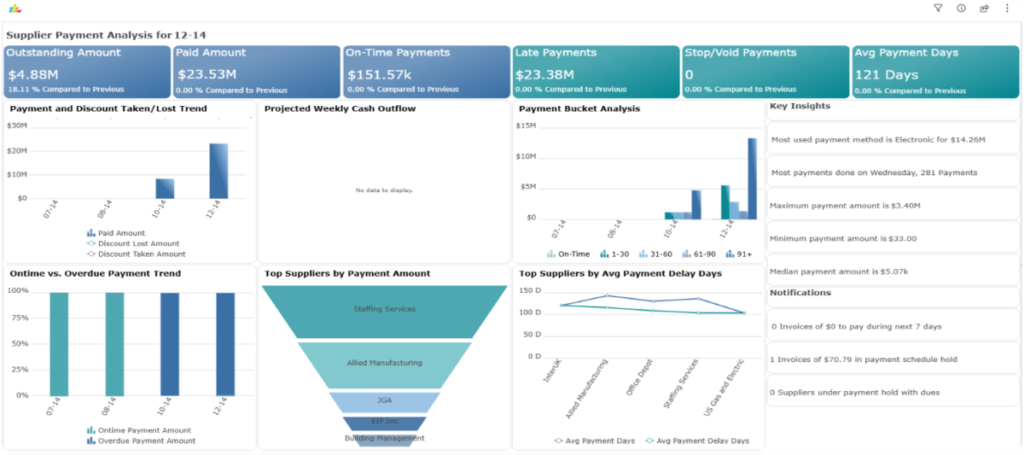
Reporting fit for 2026
Reporting will never be completely effortless. Data governance, security, and quality are still important, especially as more people get access. But it’s becoming harder to justify sticking with siloed, manual processes.
As organizations prepare for a new year, using connected, real-time tools can help decision-makers feel more ready to handle rapid changes.
About The Author

Carly Page
NEXT UP


