Trending Topics

 Trending
Cloud storage providers: choosing the right provider

Table Of Contents−
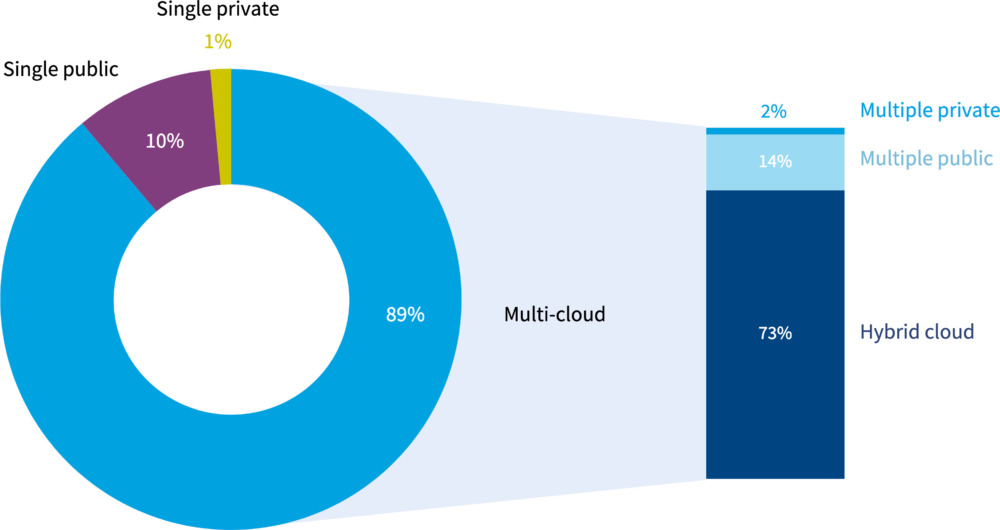
The shift from traditional data centres to cloud storage is almost complete, with organisations increasingly adopting cloud-first strategies to enhance flexibility, scalability and cost efficiency. According to the 2024 Flexera State of the Cloud Report, 89% of organisations now operate in multicloud environments, underscoring the importance of making informed decisions when choosing a cloud storage provider.
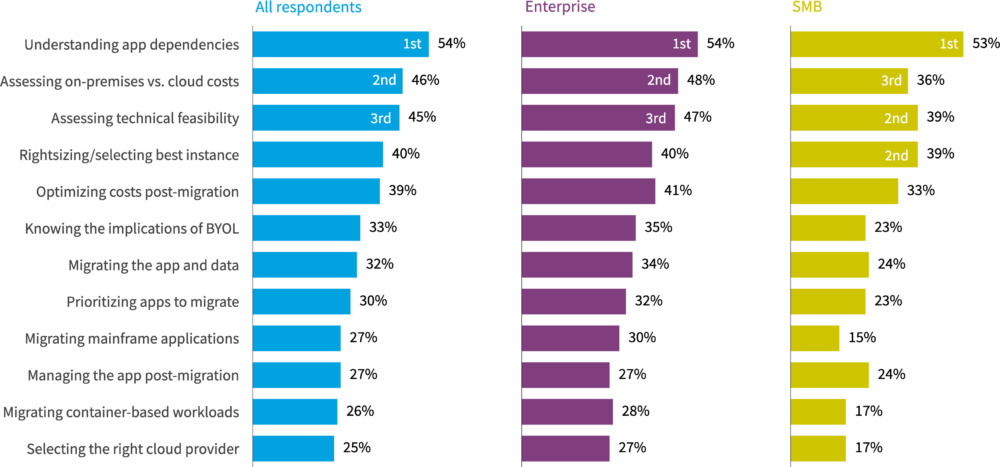
Interestingly, only 25% of respondents in the survey identified “selecting the right cloud provider” as a key challenge during cloud migration, suggesting it may not always receive the attention it deserves.
Below, we explore the key considerations for businesses to navigate this critical decision-making process effectively.
Understanding app dependencies and workload needs
One of the top challenges for organisations, cited by 54% of respondents in the Flexera report, is understanding application dependencies before moving to the cloud. This foundational step involves analysing how applications interact with one another and identifying specific requirements, such as latency, storage capacity and processing power.
For instance, applications requiring low latency may be better suited for providers offering edge computing capabilities, while data-heavy workloads might demand high-capacity storage solutions.
Tools such as dependency mapping software can assist businesses in visualising these relationships, ensuring their chosen cloud provider can accommodate their unique needs. Without this step, organisations risk choosing a provider that cannot support their workloads efficiently.
Balancing cost and pricing models
Cost considerations remain a top priority, with 46% of businesses highlighting the challenge of assessing on-premises versus cloud costs. Cloud storage providers offer diverse pricing models, including pay-as-you-go, reserved instances and volume-based discounts. While these models provide flexibility, businesses must carefully estimate long-term costs, considering factors such as storage tiers, data egress fees and post-migration optimisation.
For example, a business storing archival data might benefit from providers offering cold storage solutions at a lower cost. Conversely, companies with frequently accessed data should prioritise providers with high-performance storage options. Conducting a detailed cost analysis before committing to a provider ensures better financial predictability and avoids unexpected bills.
Ensuring compliance and security
Compliance with data regulations such as GDPR, HIPAA and other regional laws is a critical factor when selecting a cloud storage provider. Sovereign cloud solutions, where data is stored within a specific country, are increasingly popular for businesses handling sensitive information. Providers offering robust compliance frameworks, including certifications like ISO 27001 and SOC 2, demonstrate their commitment to data security.
In addition to compliance, security is paramount. Identity and Access Management (IAM) solutions form the backbone of cloud security by controlling who can access data and applications. A provider offering multi-factor authentication, role-based access controls and user behaviour analytics should top your shortlist.
Evaluating additional features
While security and compliance are foundational, organisations should also assess additional features that enhance functionality and usability. For instance, robust backup and recovery capabilities are essential for minimising downtime during unexpected disruptions. Providers offering automated snapshots, versioning and disaster recovery solutions ensure business continuity.
Another growing consideration is sustainability. Green cloud practices, such as using renewable energy and optimising server efficiency, are becoming important selection criteria. Consider partnering with providers that operate on 100% renewable energy, to align your cloud strategies with broader environmental goals.
The importance of post-migration optimisation
Selecting the right cloud storage provider doesn’t end at migration. Post-migration cost optimisation, cited as a challenge by 39% of organizations, is vital for maximising ROI. This involves rightsizing instances to match actual workloads, identifying underutilised resources, and implementing policies for lifecycle management. Many providers offer monitoring tools to assist with these tasks, ensuring that businesses stay on track financially.
Related reading
About The Author

Kihara Kimachia
NEXT UP


