Trending Topics

 Trending
Dell resurrects XPS brand with that rarest of things: an admission that it was wrong

A year ago Dell announced to the world that the XPS brand was no more. Deader than a dodo, quieter than a Democrat at a Donald Trump rally. Instead, it was switching to a simpler set of brands reminiscent of Apple’s approach: Dell, Dell Plus and Dell Pro. Oh, and sometimes Premium. And Pro and Plus could be combined, to create a Dell Pro Plus.
This year, Dell has U-turned with the announcement that it was bringing back the XPS brand. “I’m here to tell you it’s back,” said Jeff Clarke, Dell’s Vice Chairman and Chief Operating Officer, to a few whoops from the crowd of journalists and analysts.
“And it’s more than just some marketing collateral saying XPS is now on a product,” he added. “It’s back, better than ever, and it’s more than just a name, it’s really the spirit of what XPS embodies.”
Dell XPS: back for 2026
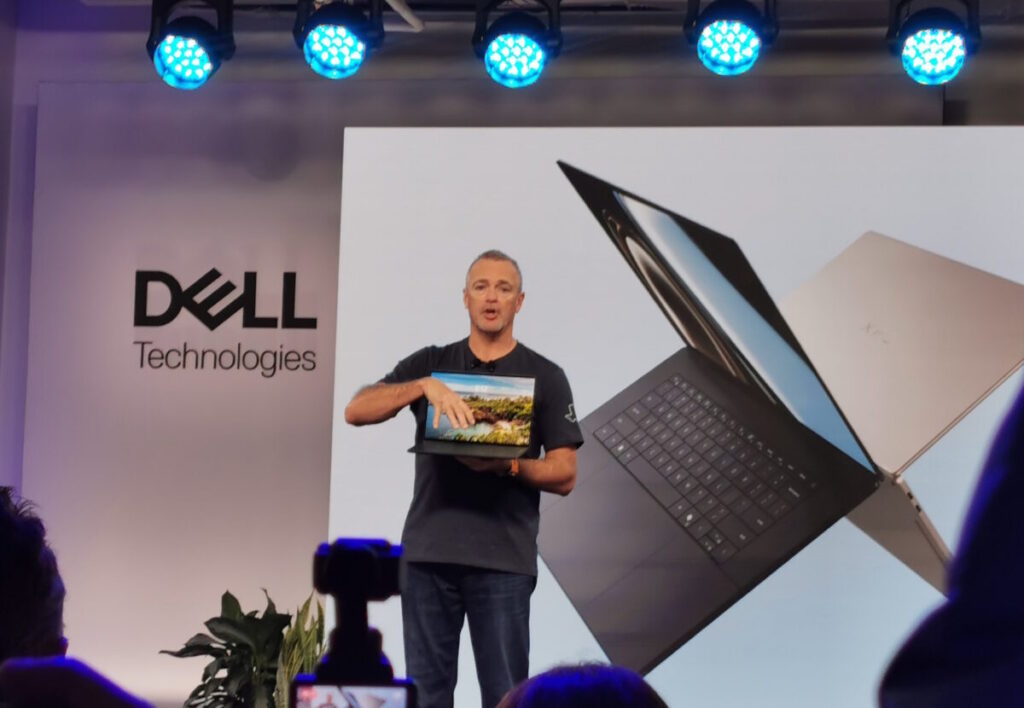
Clarke pointed to the fact that the XPS logo was now taking “centre stage, literally: it’s going to be right on to of the [lid] of the notebook”.
“Small design detail, but it’s important, and it reflects that XPS is here, this is what it stands for, and it’s front and centre,” he added.
“Starting this January, XPS will feature our best devices ever, that iconic design that you’ve become accustomed to, the refined interfaces, optimised performance, stunning displays, the longest battery life, more mobile or portable than ever. And that’s just the beginning.”
There are two more important changes that Clarke wanted to highlight. The first, that it had finally abandoned its folly of removing the physical function keys and returned them with all of this year’s XPS models.
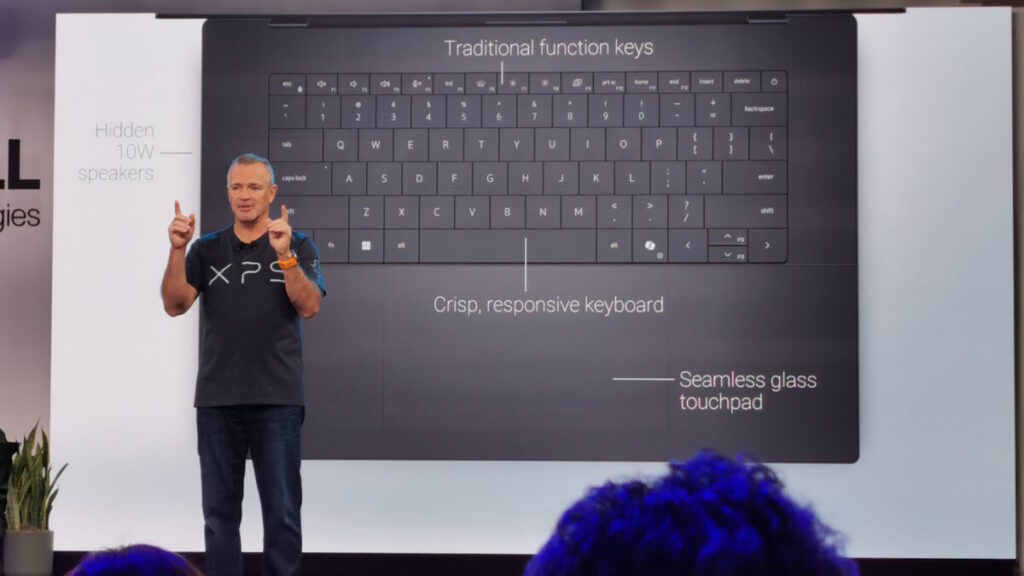
“And another big idea,” said Clarke wryly, “we put some subtle etching on the touchpad so you know where it starts and you know where it ends.”
All this showed that Dell was willing to listen to feedback from customers, journalists and analysts. It’s just a shame it’s taken this long.
How the Dell XPS brand fits in with Dell’s 2026 laptop branding
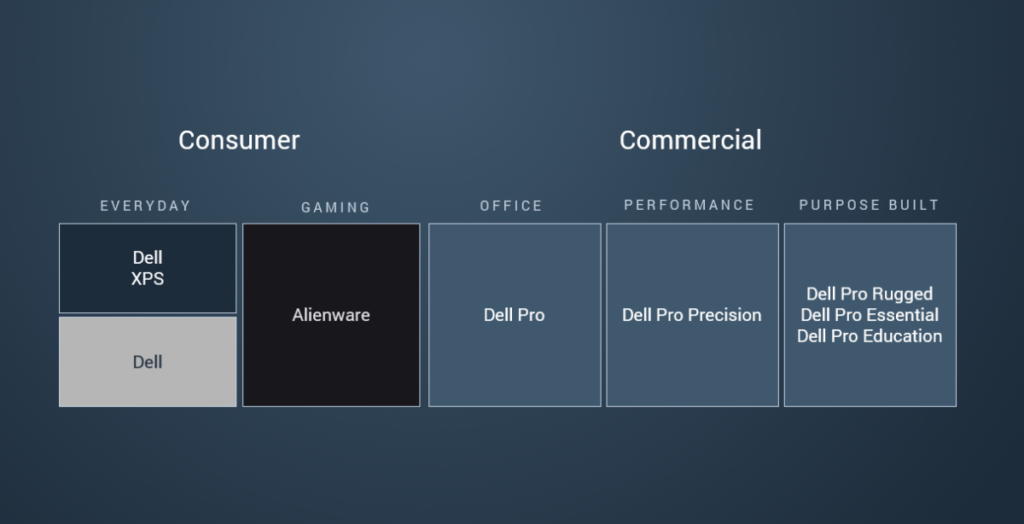
While Dell has brought back the XPS, there is no sign of a similar resurrection for its Inspiron range. Perhaps not a huge surprise, as we doubt many buyers had huge affection for this built-to-a-budget devices.
Instead, it’s sticking with plain “Dell” for its most basic range, which still feels confusing to us.
Similarly, it has no plans to resurrect the Dell Latitude name for its business laptops: it will stick with Dell Pro, adding Precision (formerly its workstation branding) for “performance products”.
“All of the data suggests that [Dell Pro] resonates well,” said Kevin Terwilliger, who is the VP/GM of Dell’s PC Product Management Group, during a Q&A briefing with journalists that delved deeper into its reasoning.
“The notion of having to go back to OptiPlex or Latitude… we didn’t feel necessary because we can now communicate with a single professional brand, Dell Pro,” said Terwilliger.
He added that some differentiation was still required. “One of our challenges with a Dell Pro Max versus a Dell Pro Premium, depending on which product I was talking about, one was higher performance than the other, and it wasn’t obvious. It was always the Max.
“So when you now see the brand map [above], you see Dell Pro Precision, that is our professional workstation-grade product. [Precision] has brand equity amongst the creators, the engineers, the development community, as our highest performance product.”
Purpose-built Dell brands
If you look at the scheme above, you’ll notice the “purpose-built” section.
“And then there are very specific use cases in commercial that are very different,” said Terwilliger. “Rugged, this notion of an education specific product and Essential, which was the product we announced in late August, which was this emerging market entry-level commercial product that’s not available in all markets.”
Nor is this branding just for external use: it helps product teams determine what goes into each product. “The brand map [is] now what the product marketeers are doing to drive the engineering team. What are the attributes? What do these brands stand for? As you’d expect, this is good brand hygiene. This brand stands for this, so therefore we can make the engineering decisions and trade-offs and not get confused.”
More Dell articles you might enjoy…
About The Author

Tim Danton
NEXT UP


