Trending Topics

 Trending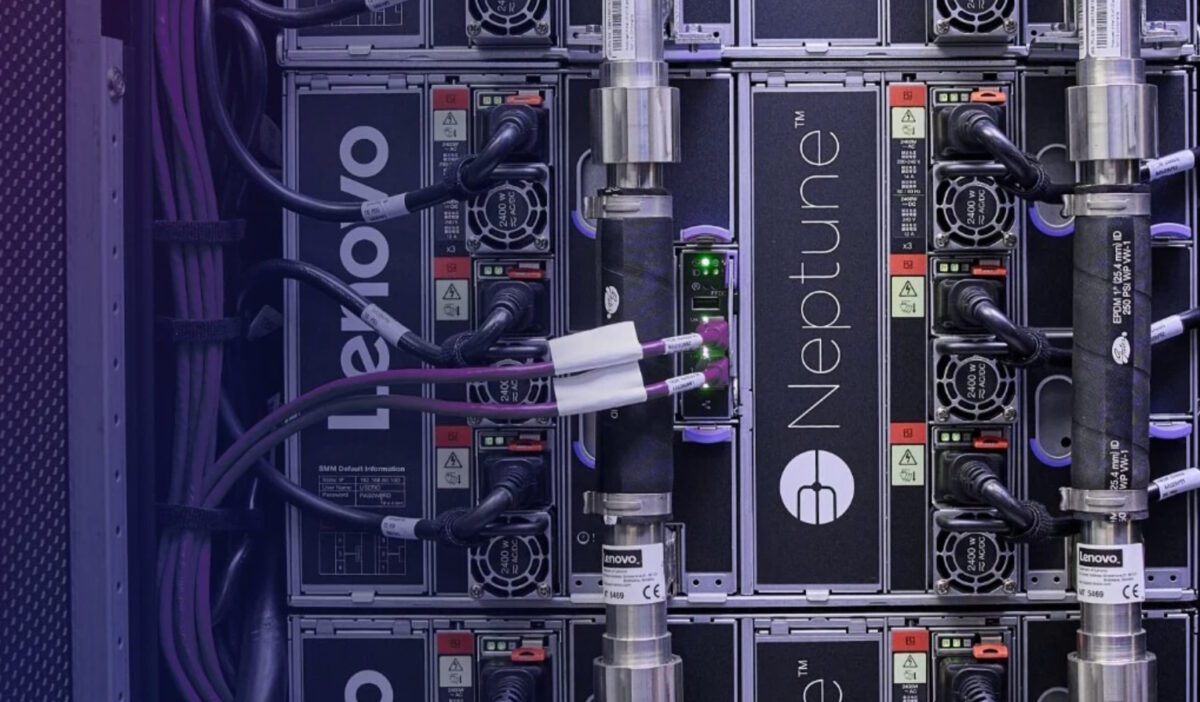
Cancer, heart disease get research boost as Lenovo supercomputer goes live in Italy

A new Lenovo high-performance computing system has been rolled out in Italy to help speed research into cancer and heart diseases.
The European Institute of Oncology and Monzino Cardiology Center will be able to use the new system, installed in Italy’s second city, Milan, to create new models for use in their research.
The HPC system, which is capable of 475 teraflops, is based on Lenovo’s ThinkSystem SR645 V3 and ThinkSystem SR685a V3 servers, which run on Nvidia H200 GPUs. Data storage is handled by a Lenovo ThinkSystem DE6400F storage system.
The European Institute of Oncology, a non-profit cancer centre, performs over 14,500 surgeries a year and admits nearly 18,000 patients; it has over 700 clinical trials currently underway. The Monzino Cardiology Center, which works to treat and prevent cardiovascular disease, provides 1,500 surgeries, 80,000 specialist examinations and 113,000 diagnostic tests annually.
The hospitals need access to greater computing power thanks to the advent of artificial intelligence, Lenovo said: AI has made it easier to identify the molecules, and the interactions between them, that have therapeutic potential.
How Lenovo’s supercomputer will help cancer research
AI algorithms will be used to process clinical data held in the two research centres’ data lakes to create simulations of molecules interacting. That information can then be used to predict how the proteins formed by the molecules will work together.
The new system will be used by researchers at the two centres to create models of protein interactions that could be used to help diagnose disease or predict the course of an illness.
An understanding of these interactions can help create new medicines. By identifying interactions between the proteins in the human body – think of finding the right key to fit into a very specific lock – and pharmaceutical chemicals, new drugs can be developed. Traditionally, successful interactions were found by trial and error – now the early stages of drug discovery happen in silico, cutting the cost of developing medicines and reducing their time to market.
The HPC system could also be used for personalised medicine, Lenovo said, such as finding drug treatments that target the specific genetic signatures of the type of cancer an individual has.
You might also be interested in
- Rio Ferdinand on data, technology and football: “It would have made me “100% a better player”
- EchoLeak zero-click vulnerability for Microsoft 365 Copilot AI is a world first – it won’t be the last
- Tech’s big breakup: Why smaller players are finally winning
- Android 16: the business features you should know about
About The Author

Jo Best
NEXT UP


