Trending Topics

 Trending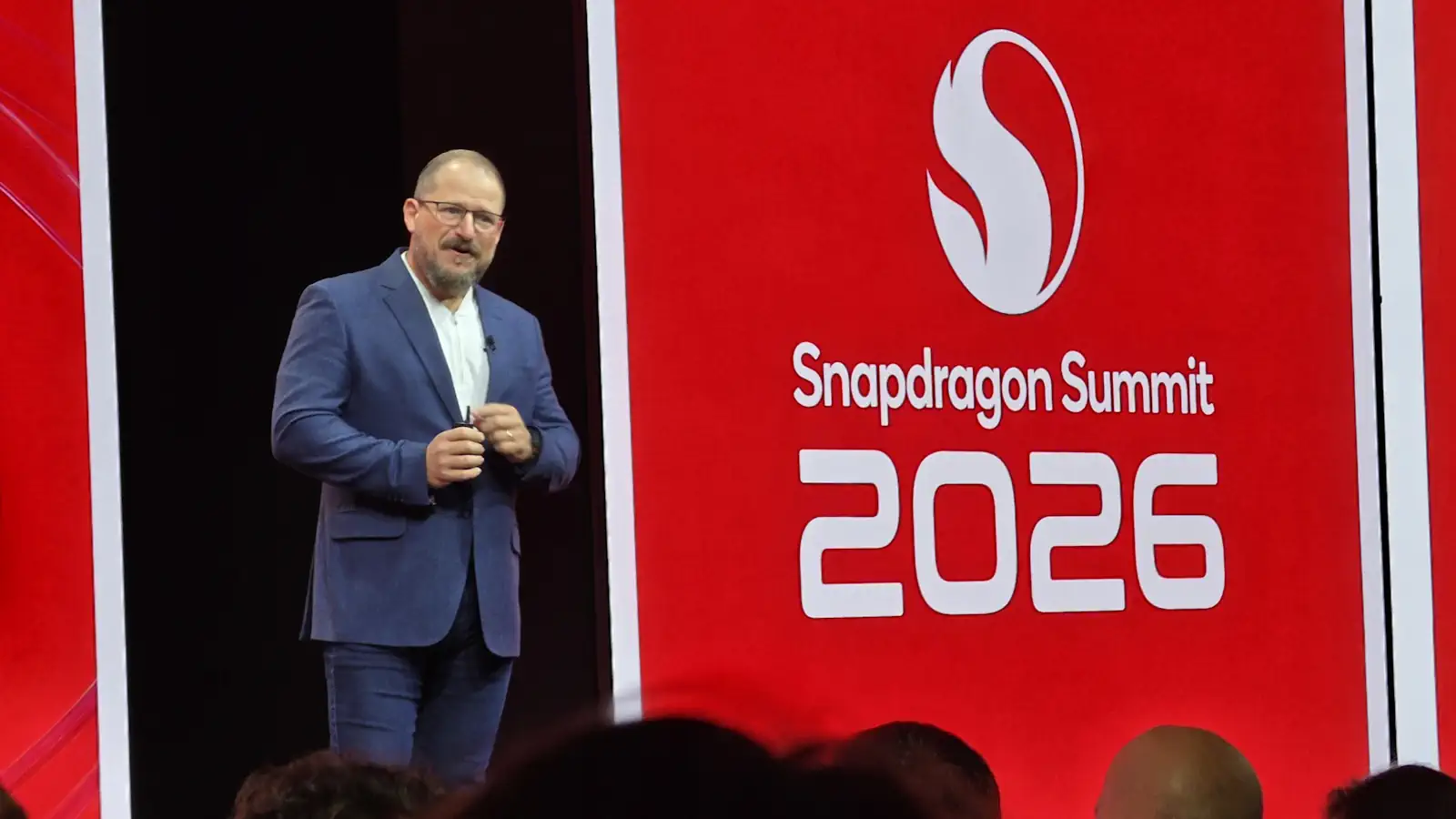
The 3 things you need to know from Qualcomm CEO’s keynote at Snapdragon Summit

Qualcomm CEO Cristiano Amon kicked off the company’s annual Snapdragon Summit in Hawaii with one clear message: that the company believes we’re entering the age of agentic AI phones. And that its latest chips are key to that success.
“We’re moving from apps and assistants into agents, and we’re just now at the beginning of the agentic age,” said Amon. “And the Snapdragon is the platform built for it.”
In particular, Qualcomm announced a pair of flagship chips tailored for this agentic AI age. First the Snapdragon 8 Elite Gen 6, second the even higher-spec Snapdragon 8 Elite Extreme Gen 6.
Qualcomm is at the heart of agentic AI on phones
It’s perhaps unsurprising that a company that built its reputation on its smartphone chips believes that smartphones will be the key to the next wave of phones. If they aren’t going to be replaced by smart pendants and other wearables, that is.
“I hear it said that phones are going to be replaced etc… but smartphone aren’t going anywhere,” said Amon. It was a message echoed by Christopher Patrick, Qualcomm’s SVP and General Manager of Handsets, who took control of the stage for the second half of the keynote.
“Every time we think we understand what a mobile phone is, every time we think we understand what a smartphone is, it evolves,” he said. “First, it connected us. Then it informed us. Then it became intelligent. And now it’s becoming agentic.”
He added: “Agentic AI requires a fundamentally different kind of platform. A platform capable of understanding you, learning from you, protecting your information, acting on your behalf, all in real-time. We at Snapdragon anticipated the technologies that would be necessary to enable agentic AI.”
Qualcomm is bad at the rest of us at predicting the future
One of the more entertaining moments at the keynote came when Qualcomm shared a let’s say “optimistic” video demonstrating how we can shop in the near future.
A woman walks through a city environment in smart glasses. Her morning stroll is interrupted by her smart glasses saying that the last time she was here, she bought sun cream and lip gloss. Perhaps she’d like to do the same now? She says “yes” and the AI agent beavers away in the background to place her order, which she then strolls over to the shop to collect.
Cut to a scene where she’s in a computer retailer looking at laptops on display. “Which should I buy?” she asks. The glasses look at the four laptops and picks out the Asus Zenbook A16, which naturally includes a Qualcomm chip. “The others don’t include a fast enough chip to meet your needs,” we hear, a tongue-in-cheek comment I’m happy to applaud.
But really, Qualcomm? Will anyone’s shopping ever look like this?
Importance of trust
The final takeaway from Cristiano Amon’s keynote was more compelling. He introduced Raja Rajamannar, Senior Fellow at Mastercard, whose key message was that if we’re going to delegate decisions to our phones then we need to have absolute trust in them.
Unfortunately I placed too much trust in my digital recording of his words, as they came out mangled, but the essence of his point was this. If we’re effectively giving full power of expenditure into the hands of an AI, then we are handing over unprecedented levels of trust.
To make the future come true, one where we’re using voices to confirm purchases, we will need certificate-level certainty that you and I are the ones saying yes to that new car.
About The Author

Tim Danton
NEXT UP