Trending Topics

 Trending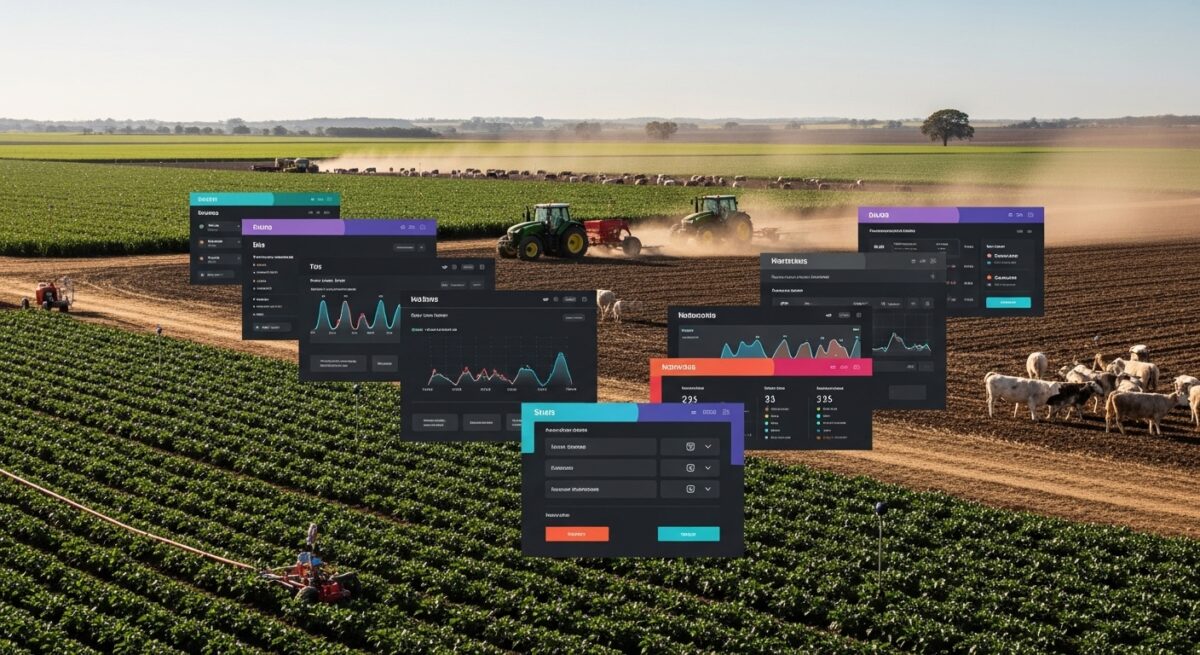
Agriculture Software: 7 Development Companies Building Practical, Field-Tested Solutions

This is a sponsored article brought to you by Lionwood.
Agtech gets hyped so often it’s almost a running joke. Half the tools look brilliant on a slide deck and then completely lose their mind once they hit a real field. Mud, dust, laggy internet, equipment that’s older than some developers — that’s the true test. And only a handful of companies build software that doesn’t fall apart the second things get messy.
Here are seven of them. The ones that build for reality, not for pitches.
1. Lionwood: Software that Respects the Way Farmers Actually Work
Lionwood earned the top spot simply because it builds practical tools. Nothing fluffy. Nothing pretends to be smarter than the farmers who use it. Their approach to Lionwood agriculture software development has this grounded quality — as they’d rather solve a real bottleneck than chase a trend.
They’re the kind of team that starts by listening, sometimes uncomfortably deeply, digging into how a farm runs day to day. And the result? Systems that hold up under pressure.
A few things they’re genuinely good at:
- Farm management systems that don’t drown users in features;
- Drone + computer vision tools for crop health and field monitoring;
- IoT ecosystems: soil sensors, irrigation automation, climate stations;
- Livestock platforms with tracking, alerts, breeding analytics;
- Risk prediction tools that actually forecast instead of guessing.
What I like is how stable their solutions feel. Not glamorous, maybe, but reliable in that quiet way good tools are.
Their software usually includes things like:
- Offline-friendly mobile apps;
- Custom dashboards (not those generic template things);
- Integrations with equipment telemetry;
- Scalable backend setups for large agribusinesses.
Honestly, they’re the crew you call when you want something built specifically for your farm — your geography, your workflow, your chaos.
2. AgriWebb: Ranch Management with a No-Nonsense Personality
AgriWebb came out of Australia, and the attitude shows. Their product feels like someone built it while leaning against a dusty pickup, not in a glass office tower.
Their software covers the essentials:
- Livestock tracking;
- Grazing rotation planning;
- Feed budgets;
- Compliance records (the boring but necessary stuff).
And the mobile app? It works offline. Properly offline. Not in that “we cached one screen so technically it works” way.
They’re especially strong at:
- Simple field mapping;
- Cattle performance logs;
- Group-level herd decisions.
No drama. Just useful tools that ranchers trust.
3. CropX: Making soil data feel surprisingly alive
Soil analytics sounds dry (pun seriously not intended), but CropX turns it into something you actually want to check. They’re good at translating complex sensor data into simple, usable recommendations.
Their platform typically includes:
- Real-time soil moisture data;
- Irrigation insights;
- Nutrient observations;
- Automated agronomy suggestions.
They expanded aggressively through acquisitions, but the product still feels focused. And their interface… clean, but not sterile. Honest.
If you want deeper agronomy data without pulling your hair out, this is a solid pick.
4. Granular: Polished, Structured, Slightly Corporate, but Good
Granular sits under Corteva Agriscience, so they’re running on big-company fuel. That means good UI, sophisticated analytics, and a sense of polish that screams “we had many meetings about this.”
Their strong points:
- Field-level profitability tracking;
- Farm planning tools;
- Financial insights tied to agronomy;
- Team task management.
They stand out by merging operations + money in the same view. That’s far rarer than it should be. Sometimes they move slowly, sure, but the final product is sturdy. The kind you can build workflows around.
5. Bushel: Grain Logistics With a Weirdly Personal Touch
Bushel was surprised a lot. Grain management sounds about as exciting as filing taxes, but these folks managed to build tech that farmers actually say they like. Imagine that.
Their platform handles:
- Contracts;
- Scale tickets;
- Settlements;
- Delivery updates.
Basically, all the paperwork that people usually misplace or forget to call about.
What makes Bushel shine:
- Instant updates (no more phone-tag);
- Strong integrations with elevators;
- Clean, readable interfaces;
- Transparent communication between growers and buyers.
It cuts down arguments, misunderstandings, and those moments where everyone swears they sent something, but no one can find it.
6. Farmers Edge: Heavy Data, Huge Potential
Farmers Edge is the data-obsessed kid in the class. Big satellite imagery. Detailed weather stations. Equipment telematics. Crop modeling. Soil layers. The whole buffet.
Their platform includes:
- Yield predictions;
- Variable-rate prescriptions;
- Machine data monitoring;
- Field-level analytics;
- Scouting tools.
Sometimes it feels like too much — a firehose of information — but for farms that love precision control, it’s a dream.
Also, their telematics tools? Criminally underrated.
7. Trimble: Precision Tools Built With Engineer Energy
Trimble is the old veteran. The “we were doing precision agriculture before anyone cared” kind of veteran. They’re known for hardware, but the software binds everything together.
You’ll find things like:
- GPS-based machine guidance;
- Steering automation;
- Implement control;
- Field mapping;
- Equipment integration.
Their software is straightforward. Not pretty. Not minimalistic. Just tough and dependable, like an old tractor that rattles but never quits.
The biggest perk:
- Works with mixed fleets;
- Works even when machines come from different decades;
- Works without needing constant babysitting.
They’ve earned their place simply by staying consistent.
Why These Seven Matter
Most farmers couldn’t care less about flashy innovation slogans or yet another glossy demo video. What actually matters is brutally simple: whether the software holds up when the sun is burning, the wind is throwing dust into every sensor opening, the internet drops to one shaky bar, and half the team is running on four hours of sleep during harvest.
These seven companies build tools that stay functional in those exact moments. Their systems don’t freeze when connectivity wobbles; their dashboards surface the right information instead of drowning users in noise; their integrations behave like real connections, not marketing promises; and their platforms expand as the operation grows instead of collapsing under scale.
These tools have been pushed through heat, rain, machine failures, human exhaustion, and the kind of unpredictable chaos that defines real farming. And the fact they’re still standing after all that — that’s the closest thing to a meaningful certification this industry will ever have.
About The Author

Gabriel Jones
NEXT UP


