Trending Topics

 Trending
Noise, fatigue, and burnout: the call centre challenges a headset can actually solve

Call centre agents are under pressure from every direction: customers expect speed, supervisors expect consistency, and AI tools are rapidly changing how conversations are measured, transcribed, and coached. The pressure is not theoretical. Jabra’s Work and Wellbeing in the Age of AI study surveyed 3,736 knowledge workers across 11 countries and found that 38% reported stress levels of seven or higher out of 10. In high-volume call centres, where every shift is built around constant interaction, that number should worry operations and HR leaders.
The good news is that some stressors are solvable. A call centre headset cannot fix culture, pay, or poor scheduling. But it can remove daily friction that quietly compounds fatigue.
Challenge 1: Noise
Noise is the most obvious enemy.
Background conversations, keyboards, office chatter, home distractions, and shared spaces all bleed into calls. That damages concentration and forces agents to spend energy managing the environment instead of the customer.
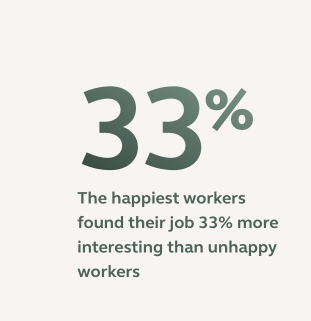
Jabra’s research found that the happiest workers found their jobs 33% more interesting than the least satisfied workers, underlining the link between engagement and wellbeing. Focus is hard to sustain when every call begins with “sorry, could you repeat that?”
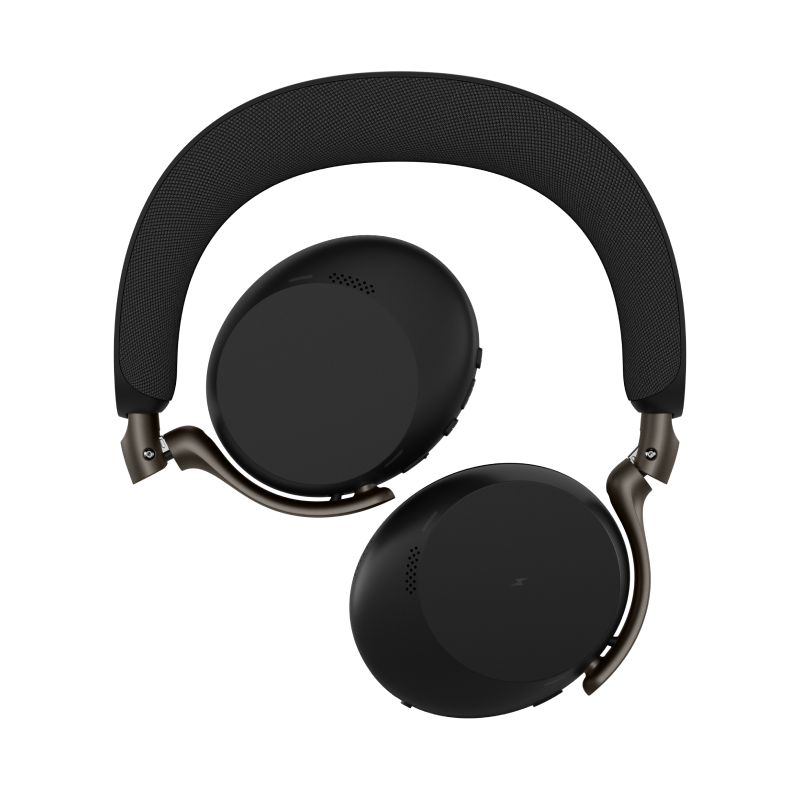
This is where the right call centre headset earns its keep. Jabra says the Engage 50 II uses a three-microphone system to improve speech clarity and background noise cancellation. Jabra’s Evolve3 materials also describe ClearVoice as an AI-powered noise suppression technology trained on more than 60 million sentences.
Challenge 2: physical fatigue on long shifts
A headset worn for six to eight hours is not an accessory.
It is work equipment.
Poor fit can create pressure, distraction, and end-of-shift fatigue, especially when agents are switching between calls, coaching sessions, and internal meetings.
Jabra’s Engage 40 product information highlights a lightweight design, angled cushions, and an earcup pattern designed to relieve pressure on the ear. For workforce managers, that comfort story matters because adoption depends on whether agents actually want to wear the device all day.
Challenge 3: AI needs clean audio
AI is becoming part of the call centre stack through transcription, summarisation, quality monitoring, coaching, and sentiment analysis. But these systems depend on clean audio. Poor capture means poor data.
Jabra’s research found that 44% of workers said technical training on AI tools was the most urgent need for a successful transition, while 30% said their company had taken no measures to prepare for AI integration. It also found that nearly two-thirds of AI users speak to tools at least some of the time, pointing to the growing importance of voice as an interface.
That makes the call centre headset part of the AI infrastructure. Jabra’s Evolve3 materials state that the headset is AI-ready, with more than nine out of 10 words picked up accurately for voice prompts.

The best headset for modern work
The demands of modern work are evolving, and so are the tools we rely on. Discover how the Jabra Evolve3 combines AI-powered audio, advanced noise cancellation, and all-day comfort to help professionals stay productive and connected wherever they work. Download the article to learn more.
Challenge 4: management visibility
Supervisors cannot coach what they cannot see.
Traditional call metrics handle time and outcomes, but they often miss the environmental causes of poor conversations.
Jabra says Engage provides device-level data including background noise levels, mute usage, microphone boom positioning, and talking pattern signals. Engage+ also provides real-time call insights on background noise, microphone position, and voice quality, plus post-call reporting.
That visibility should not become surveillance for its own sake. Used well, it helps managers spot fixable problems before they become performance issues.
A call centre headset will not eliminate burnout on its own. But it can reduce noise, improve comfort, support AI accuracy, and give managers better operational signals. In a high-pressure environment, those small improvements add up quickly.
About The Author

Kihara Kimachia
NEXT UP


