Trending Topics

 Trending
8 weird ways to use QR codes (and 5 boring ways they can win you customers)

QR codes are everywhere. Travel companies ask you to scan them for the latest timetables, bars to place table orders, hotels to provide instant ratings on your stay. But those are boring uses. Here, we’re concentrating on ten emerging ways that brands are starting to innovate with QR codes. And in doing so, they’re driving sales, loyalty and social media success.
VIP event cards

Put simply, VIP event cards are physical cards with a QR code. But look more closely at the picture above and you’ll see that the QR code is branded, here with a relevant picture. “A lot of luxury brands use them for seasonal catwalk invitations, gala dinners and other pop-up events,” said Marko Pavuna from Unitag. He added: “Other brands use them in local stores with each purchase, to make customers feel special.”
Boutique hotel room cards

Rather than print a hotel directory or force people through clumsy TV menus, modern boutique hotels have embraced QR codes to direct guests instantly to services on offer. “Forget having to touch the sticky black phone to call reception,” said Marko. “You can now lie down in your bathrobe and access all room services, information and menus in a single smartphone scan.” With the QR code on both your key card and printed out in the room, it’s tough to miss too.
One-time incentives

Bottomless soda fountains seem like a great idea, but they cost restaurants money and can prove so tempting that some customers over-indulge. The solution: one-time incentives via QR codes. This grants customers limited-time access to the soda fountain or ice cream machine, and has already proved popular in many American restaurants – including McDonald’s.
Food transparency… and recipe ideas!
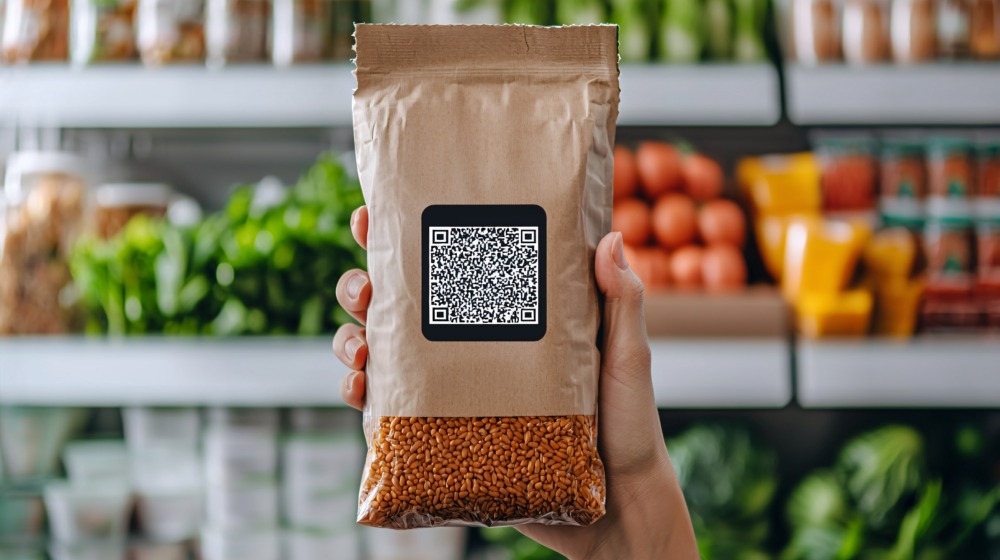
There’s a growing trend for people to want to know where their food comes from and what’s inside it. What better way to tell them instantly than a QR code? It can also provide inspiration for recipe ideas, says Marko. “Want to get crafty and make a dish with the yogurt other than just eating it? QR codes can provide customers with interactive PDFs and recommendations for quirky recipes.”

Registration cards for luxury products
Rather than make registering new purchases a chore, some clever brands are using it to enhance the buying experience. You buy the item, take it home, unbox it. “Luxury products like watches or handbags tend to come with an unique authentication number that ties to a registration portal with extra information, transporting loyal customers to the heart of the brand,” said Marko. “QR codes now help to link both worlds together, providing a seamless experience and preventing counterfeit products.”
2D barcodes: coming to a store near you

Consumers want to know ever more about the products they’re buying, and help is on the way via 2D barcodes. These will sit on the shelf at stores so shoppers can uncover environmental information such as where it was sourced from. “It’s actually an international certification called GS1,” said Marko. “In four years, all barcodes will evolve into QR codes called 2D barcodes.”
Write your feedback emails for you!
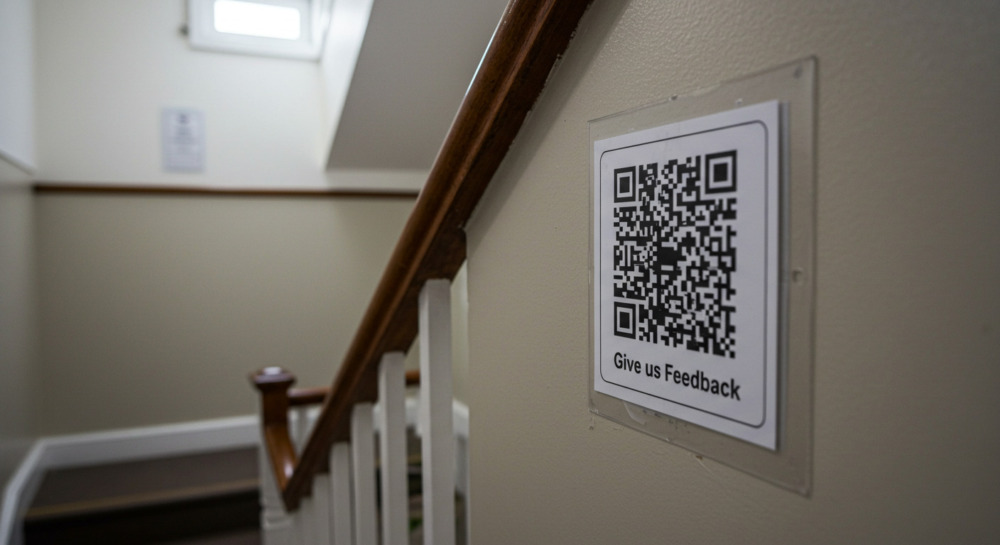
Innovative landlords are using custom QR codes to generate feedback from tenants who might otherwise stay silent. “In fact, it can create a pre-written email,” said Marko. “It’s used a lot by Burroughs in the UK. A QR code can effectively preload the email with information such as location, creating a perfect complaints funnel for unhappy residents.”
Instant “scratch card” contests

We all love scratch cards and QR codes can be their far better traced – and less wasteful – digital equivalents. “So when someone orders a pizza from you they get a free entry into a contest,” said Marko. “Not only does your customer instantly get a chance to win but you also get data information from them.”
Five boring but effective ideas for QR codes!
While speaking to Marko, we also asked him for some of the duller yet highly effective ways that Unitag‘s customers used QR codes. Here’s what he had to say.
- “Digital business cards are better than paper ones because they are eco-friendly, cost-effective and more versatile. Unlike paper cards that can be easily lost or damaged, digital cards are stored on a smartphone or cloud, making them always accessible. They allow instant updates, eliminating the need for reprints, and can include interactive features like links to websites and video.”
- “Link to registration forms for CRMs, where they become funnels, a way to get new meetings. A QR code can be used for prospects and data gathering at business fairs. In fact, it’s very common to find QR codes on prints or presentation stands. With the right CTA, they become a funnel of conversion on their own.”
- “Point to documents, a specific file. This is the classic, a PDF linked to a QR code, just like the good old menu you would access on the table during Covid.”
- “Company flyers are another classic. Need to add something dynamic or a visual demo? A digital showroom for a car with the ability to change colors, interior and other features? Link your website URL to a QR code and place it on a flyer!”
- And, of course… “During webinars and presentations. I’m sure we’ve all seen them far too many times and in far too many Zoom calls.”
About The Author

Tim Danton
NEXT UP


