Trending Topics

 Trending
LinkedIn says the pace of change at work is speeding up

There’s no question the world of work has changed: environmental concerns introduced sustainability to the corporate world, the pandemic ushered in an era of hybrid work, younger generations of employees are raising political issues in the office, and now AI is reshaping what we do and how we do it.
Is the pace of change accelerating? LinkedIn users think so. The business social network surveyed more than 5,000 business leaders, with seven in ten saying they feel like the pace of change is speeding up at work.
Indeed, LinkedIn’s Work Change Snapshot, as the research is called, says that 10% of workers hired this year have job titles that didn’t even exist in 2000 – of course, that’s coming up on a quarter of a century, so it’s a fair chunk of time.
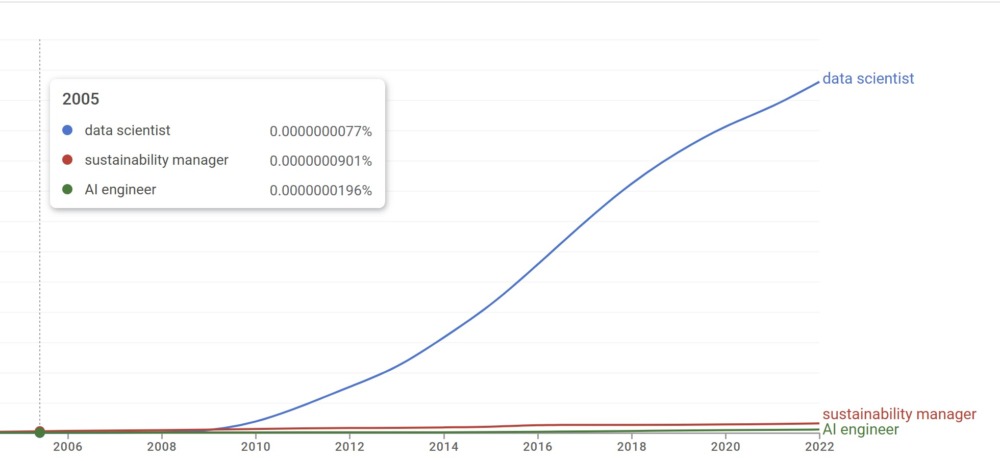
Such roles include data scientists, sustainability managers and AI engineers, LinkedIn said – though a quick run through Google’s Ngram Viewer suggests the phrase “AI engineer” does predate that year, the others do appear to be more recent creations.
Work is only going to continue evolving, with survey respondents saying the skills needed for jobs will change significantly by 2030, driven in part by the rise of AI. More than eight in ten respondents said generative AI could benefit their teams, so employees are unquestionably going to have to work with the technology.
Time to update your CV on LinkedIn?
A separate survey, this time from recruiter CareerWallet, suggests that nearly one in five job seekers are looking for new work specifically because they’re concerned their existing role will be replaced by AI.
A survey earlier this year by PwC suggested two-thirds of workers feel that the pace of change at work has increased over the last year with 45% saying their workloads have increased. More than a quarter say those factors are driving them to switch jobs – which the consultancy firm said was a higher rate than during the so-called “Great Resignation” of 2022.
According to the survey, two-fifths of respondents said their day-to-day work had changed to a large or very large extent over the last year, with nearly half saying they “don’t understand the purpose of changes taking place”.
A quick date-constrained Google search reveals we’ve long been concerned about the pace of change at work. There are stories referencing the concern from 1997 in Harvard Business Review, and another discussing the impact of the advent of the internet in 2002. But that’s no evidence against an acceleration in the rate of workplace disruption, of course.
HR challenges according to LinkedIn
Either way, the upheaval and employee churn is giving HR more work. LinkedIn argues that the extreme pace of change is having a detrimental impact on HR departments, who are struggling to stay atop hiring new roles and upskilling existing workers. The survey suggested 55% of HR professionals feel that work expectations are higher than before while 42% feel overwhelmed by the number of decisions they make daily.
“Businesses are having to manage seismic shifts in the way work is done,” says Olivier Sabella, Vice President of LinkedIn Talent Solutions. “And while artificial intelligence holds huge potential to improve day-to-day work, the majority of businesses are still figuring out how to best bring that potential to life.”
He adds: “It’s no surprise that leaders are leaning on their HR teams to help navigate these changes and make the most of the opportunities they present – but these professionals are often overstretched and overwhelmed with work. To provide the insights and support their organisations need, they must be equipped with the right tools and resources.”
This is where LinkedIn would like to help, pointing out its various AI tools including an AI-powered hiring assistant and coaching tool, making AI both the cause and solution to overworked HR departments.
Related articles by Nicole Kobie
About The Author

Nicole Kobie
NEXT UP


