Trending Topics

 Trending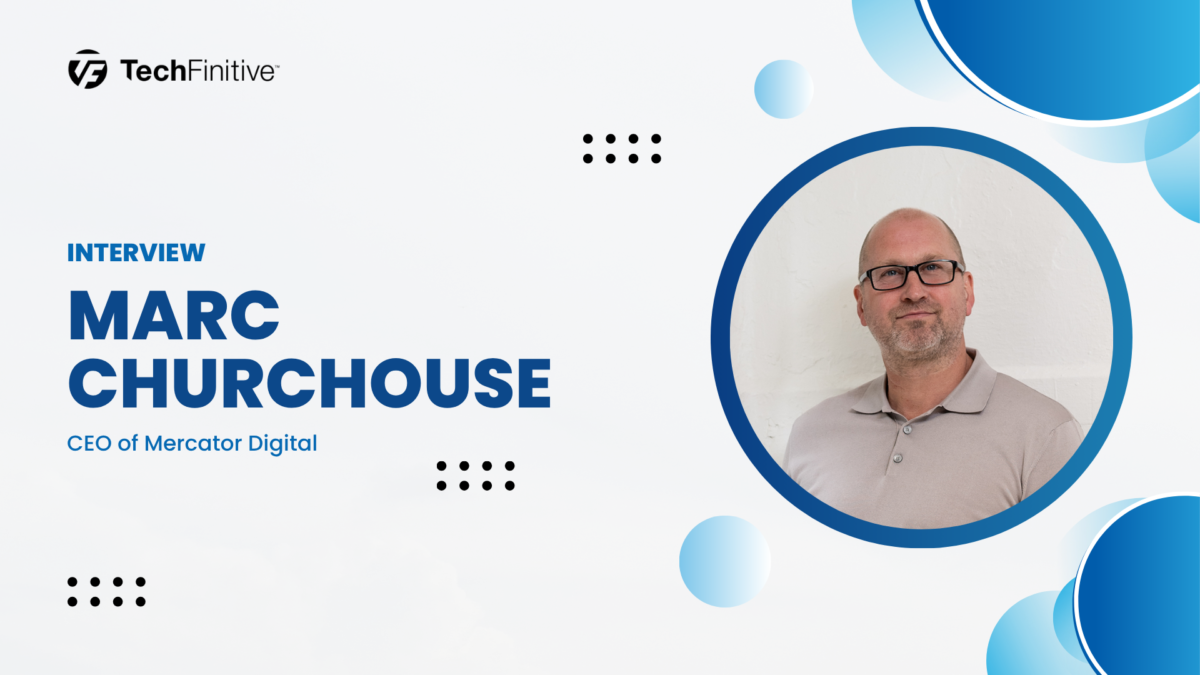
Marc Churchouse, CEO of Mercator Digital: “SMEs are going to be able to reskill their workforces at a quicker pace than large corporates”

As the UK government looks to give SMEs a greater role in public sector digital delivery, Mercator Digital CEO Marc Churchouse argues that progress is being made but procurement still has a way to go.
Churchouse says specialist SMEs can bring agility, fresh thinking and a willingness to experiment that is often harder to achieve within larger systems integrators. But he stresses that the real value comes when the two work as genuine partners, combining specialist expertise with the scale and governance needed for major government programmes.
In this interview, Churchouse discusses why SMEs need to be involved earlier in the procurement process, how smaller organisations can respond more quickly to emerging technologies such as agentic and conversational AI, and why more open engagement between government and suppliers could lead to better outcomes for citizens.
He also explains what a healthier public sector technology ecosystem could look like, one where SMEs, large integrators and government departments collaborate more effectively, while delivering better value for taxpayers.
The UK Government has been pushing for greater SME participation in major public sector contracts, with initiatives such as GDS Local aiming to reduce reliance on long-term supplier arrangements. Do you think we’re seeing a genuine shift in how government approaches digital delivery, or is there still a long way to go?
We have seen a shift, but there is still a way to go. There are now many more ways for the government to buy from SMEs, with a range of frameworks that SMEs can participate in. We’ve also seen a push to size contracts in a way that SMEs can realistically cope with, rather than only issuing very large pieces of work that only the biggest systems integrators can go for. So there has definitely been progress, but there is still more that could be done.
Government procurement rules often require large systems integrators to subcontract a proportion of work to SMEs. In your experience, what role do specialist SMEs play that larger organisations often struggle to replicate?
I think it’s a good thing for the ecosystem as a whole. Specialist SMEs bring a large and varied portfolio of case studies, and we bring agility both to delivery and to the bid process. We also tend to have a less corporate outlook and a different perspective on solving problems, which can be refreshing for customers who are used to very traditional approaches. Internally, that often shows up as SMEs being more innovative. We can try things quickly – for example, running proofs of concept – and move at a pace that is much harder for larger organisations, which typically have a lot more internal red tape.
Many SMEs are also set up to support a “fail fast, learn fast” mindset. People are encouraged to try new things because they might work and, if they don’t, they learn from them and move on. That kind of culture is much harder to sustain in larger, more corporate environments – even some SMEs don’t manage it but when it’s there, it means we can innovate and adapt quickly.
There’s a perception that SMEs bring agility while larger integrators provide scale and governance. What does a successful partnership between the two actually look like in practice, and what are the biggest challenges to making that model work?
The key to success is a genuine and transparent partnership. When it works well, we see an ecosystem approach where everyone comes together as one team and leaves their badges at the door. It lets us put different perspectives in front of the customer and write a much stronger bid, because we’re bringing in multiple viewpoints, not just one.
In practice, a successful ecosystem can get off the ground much more quickly than any individual business. As a group, you can scale faster than you could alone. SMEs contribute specialist expertise and possess the ability to move quickly, while larger integrators bring scale, governance and a more established bid‑process machine.
When both sides lean into that, they work collaboratively which is incredibly powerful. The challenge is making sure that transparency and genuine collaboration are there in reality, not just on paper.
Digital transformation projects in the public sector have a mixed track record, with many criticised for being expensive, slow and difficult to adapt. How can involving SMEs earlier in the delivery process help reduce these risks and improve outcomes for citizens?
We’ve found that the earlier we’re involved in the bid and delivery process, the better the outcomes. If larger integrators want to draw on our expertise to answer specific questions, we need enough time to do that properly. One of the unseen challenges for SMEs is that we can be asked to bid on four or five different bids for the same opportunity, each with different partners. That means we have to put ethical walls in place and find enough people with the right knowledge to support each partner separately and effectively.
Early involvement gives us a runway: time to scale up a team, to buy and configure the right kit, and to make sure we’re genuinely ready to deliver on day one.
Ultimately, bringing SMEs in earlier reduces the risks of projects failing, and increases the chances of delivering on time and to the standard that citizens expect.
As AI, cloud platforms and low-code technologies become more prevalent, how do you see the role of SMEs evolving within government digital transformation programmes? Are there areas where they can deliver disproportionate value?
SMEs are going to be able to reskill their workforces at a quicker pace than large corporates.
In a smaller organisation, it’s easier and faster to get people’s buy‑in, and there’s less internal red tape to work through. We can look at what’s coming out of government – like when particular technologies are being adopted – and decide very quickly to upskill our teams in those areas because we know those skills will be needed and are hard to find.
We’ve already done this ourselves: in a short space of time we’ve been able to train a significant number of software engineers into agentic AI and conversational AI specialists, focused on areas like voice. That kind of pivot would typically take a large corporate much longer, because there are more layers of hierarchy and approvals to work through.
Looking ahead, agentic voice and conversational AI are going to be huge in government contact centres. Those are natural places to find cost savings and improve citizen experience. SMEs that can move quickly into those technologies and build practical solutions will be able to deliver disproportionate value in those areas, precisely because they can pivot and reskill so rapidly.
Looking ahead over the next five years, what changes would you like to see in public sector procurement to create a healthier ecosystem for SMEs, systems integrators and government departments alike, while ensuring taxpayers receive better value and more innovative digital services?
I’d like to see more open processes and earlier engagement with suppliers.
If departments engage with suppliers earlier in the procurement phase, they’ll get better quality bids, which leads to better work and better outcomes for citizens.
There is pre‑market engagement now, especially in central government, but it can be quite formal and doesn’t always allow open conversations about “have you thought about this?” or “what have you learned?”. Some other parts of the sector are more willing to talk earlier and use that to shape specifications, and that tends to lead to better‑designed procurements.
For SMEs, bidding is expensive and resource‑intensive. Many don’t have a dedicated bid team, so bidding means taking people off chargeable work. Larger firms also face high bid costs and want confidence they have a real chance before committing.
More open, robust and genuinely consultative processes would give suppliers clearer signals, make it more viable for SMEs to take part, and bring a broader mix of organisations into play.
About The Author

Ricardo Oliveira
NEXT UP


