Trending Topics

 Trending
Exclusive interview with iFixit’s Kyle Wiens: behind the scenes of Netflix’s hit exposé Buy Now!

As we slide through Black Friday and Cyber Monday towards the inescapable commercial shoppageddon of Christmas, a new investigative documentary from Netflix shows the uncomfortable reality of frictionless retail.
One of its “stars” is Kyle Wiens, CEO of iFixit. Here, we share his insights about the show in an exclusive interview he granted to TechFinitive. From why he took part to steps we can all take to reduce our e-waste.
But before we dive into that, here’s a background on the show itself.
Netflix’s Buy Now!
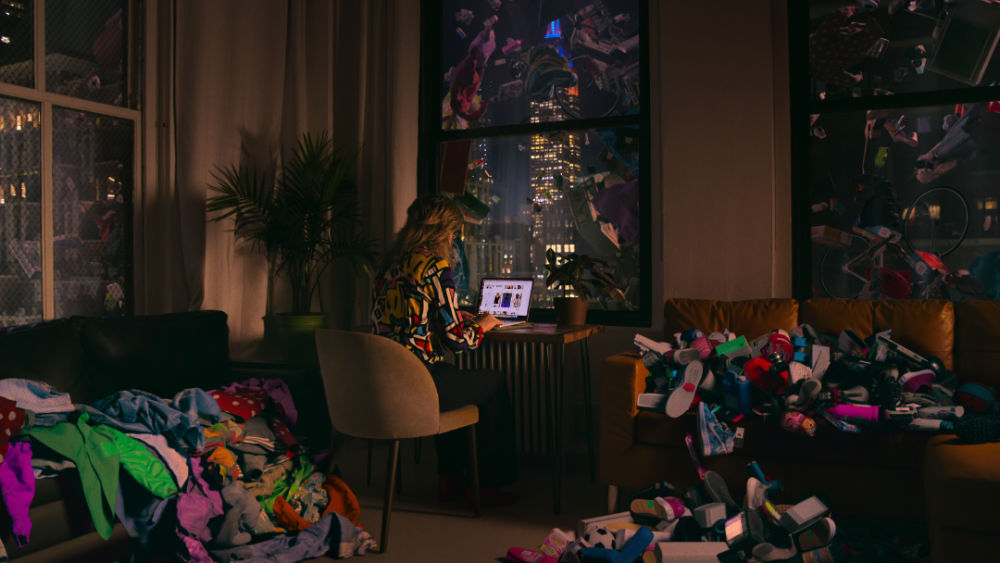
Buy Now! The Shopping Conspiracy is far more than an exposé on sharp selling tactics from big-corp like Amazon and Apple. It maps out the path from commodity over-production through to our inability to control waste. Buy Now! has a compelling narrative with sublime visuals taking the viewer from the early days of Amazon through to the waste dumps of Ghana.
Emmy nominated and BAFTA winning director Nic Stacey has gathered a cast of corporate insiders to explain how online shopping systems condition us to purchase, whilst corporations ignore the waste piling around the world with their logo on it. The message of Buy Now! is starkly simple; the richer parts of the world over-consumer and the poor parts of the world suffer.
Kyle Wiens, iFixit’s CEO and founder, is one of the Buy Now! voices and he first told me why he’d agreed to take part in the film.
Kyle Wiens: Enter The Disrupter
“Initially, they were working on a documentary about waste, and then it kind of morphed into talking about the purchasing side, which makes sense. We said ‘let’s just show you the solution’ and we organised an amazing repair event with over 100 people fixing all kinds of things. Then we started talking about how do we tell the story of the vast amount of waste that is being produced from the technology industry.”
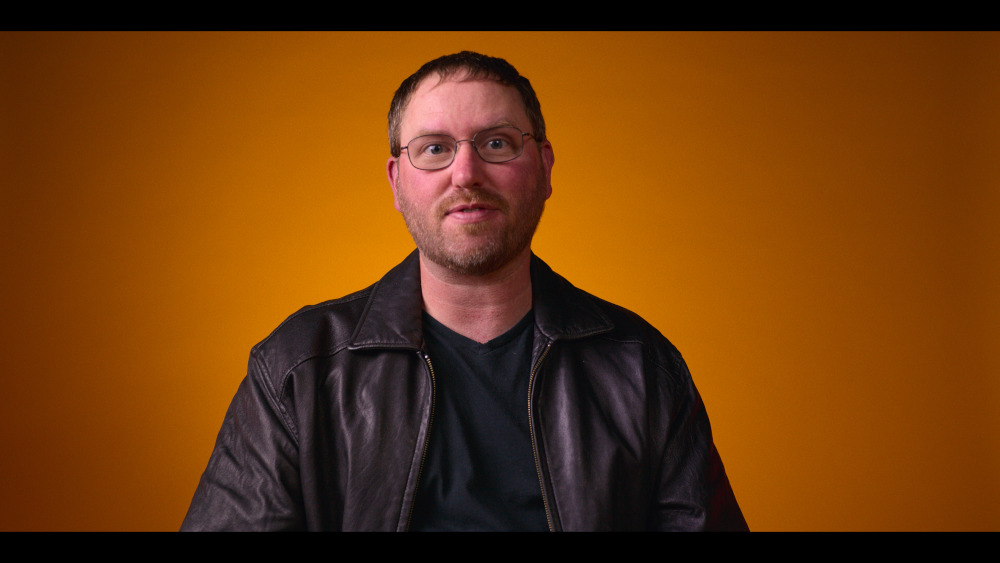
Although Kyle’s journey with iFixit began with simple repairs, it quickly developed into speaking and advocacy. Kyle is one of the key figures of the Right to Repair movement, changing laws by battling lobbyists and lawyers sent by “big tech” to bring down repair-aware subversives. In Buy Now!, Kyle is introduced into the narrative as a disruptive force, which, if you’re a corporation selling unrepairable products, he is. Given his vast practical and political experiences, I asked him if Buy Now! surprised him when he watched it.
“It’s the dastardly efforts. As much as we’re all in the technology industry and we want there to be a technical solution to everything, really, at the end of the day, this is about mass market psychology. The Adidas marketing information was fascinating to see (the use of endorsement to explode sales) because it doesn’t really matter if there’s an amazingly well-designed, modular, repairable, upgradeable Framework if the broad public doesn’t know that thing exists.
“If we’re going to be effective with countering things like Adidas marketing strategies, to breaking out to somewhere else, it’s got to be more mass market. The other thing that surprised me about the film [is] what a good job I think they did it. The Wall-E imagery is just so visceral. And I think it will stick with everyone. Every time you think about buying something, think ‘am I going to overflow my house with stuff?’”
Why you shouldn’t always buy popular products
To emphasise the problems caused by unrepairable products, Kyle takes aim at one of the most popular gadgets on the planet. “AirPods. I think it’s a product that maybe shouldn’t exist. Let’s say that I convinced Tim Cook tomorrow. Could he discontinue the AirPods? I don’t think he could. I don’t think he’s got the power. It’s worth too much money. There isn’t a compelling alternative way to make a product like that, so sometimes we get into a corner where we have designed something that shouldn’t exist and then what do you do?”
During the film, Kyle reveals that iFixit still receives take-down requests from tech firms, ordering them to remove service manuals from the site. His response in the film is honest and succinct, so I asked him to expound on the story.

“The take-down I got right before the film was actually a medical device. They were asking us to take down the information that we share with biomedical technicians around the world and we had a very thorough legal defence. It was a six-page legal analysis from the Electronic Frontier Foundation, systematically demolishing any argument that they might make around getting us to remove the service information. It was more than just a crude two word ‘f*ck you’ response.”
Meanwhile, in the Global South
The second half of Buy Now! moves away from the glittering lights of influencer-dense marketing and presents us with the sobering reality of where the waste ends up and how it gets there. We’re shown the horrific reality of how the Global South is being overwhelmed by the waste of the Global North.
During his work for iFixit, Kyle has travelled the world and seen this for himself. In 2011, he visited Agbogbloshie in Ghana. I asked how the experience affected him. “Agbogbloshie is this onion market and they’re burning electronics. Around it there are all these internet cafés and I sort of left depressed and tried to get the plastic out of my lungs.
“I wandered around the rest of the community and these internet cafés are cool because they’re pulling parts from all over and they’re building PCs. They’re fixing machines and then they rent them out.

“I asked ‘how do you know how to do what you’re doing?’ and they looked at me like I was an idiot and said ‘we just Google it. We’re on the American support forums the same as you are’. It was like, ‘aha! If I can make the internet good at teaching people to fix things, then that is the economic ladder out of this poverty situation’.
“I’m very much an open-source believer and I think that the information should be as widely distributed as the products are. The internet’s amazing and it’s very good at that, so all I had to is put the information on the internet, make it accessible, and then things will get fixed. That’s been the model and it’s worked pretty well.”
Hiding our waste
The sheer quantity of waste shown in Buy Now! that’s washing into the ocean is as distressing as it is real. “It’s sobering, yes, and it’s frustrating. There’s two pieces to it. One is an export issue, but there’s also just waste in general. Part of the difference is that in the north, we have bulldozers to bury the stuff, and then the south, they don’t, necessarily. They don’t have good waste management systems, good landfills or good recycling systems.
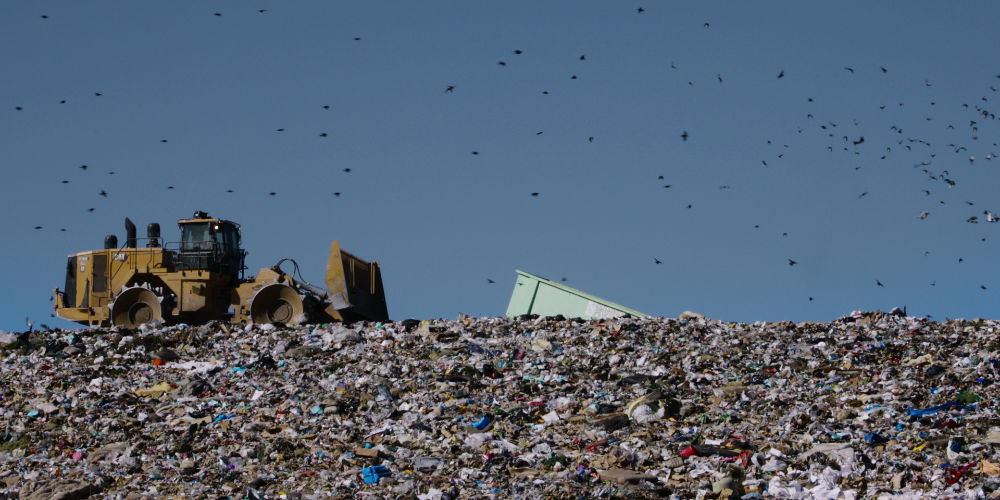
“Then you go to electronic waste and your mind explodes because they don’t have anything close to dealing with that correctly. You see the trash because it isn’t nicely put into a hole in the ground. Maybe it’s better to have it be more visible so that every time you go buy something, you can see that’s another thing that’s out in the world.”
You…yes, you…can help drive change
An observation made by insiders in Buy Now! is that big-tech does not want to change its profit-above-all playbook, so they need to be pushed. During his career, Kyle has pushed hard and help secured landmark victories to enable us all to repair our tech. If anyone knows how you can advocate for change in your business, it’s him.
Here’s his top tip for TechFinitive readers. “My rule of thumb across buying anything is just before you buy it, verify that you can buy a battery. or parts in general, but a battery in particular.
“We buy people headphones when they come to work at iFixit. The rule is you come with your request of which headphone model you want and your plan to replace the battery in two years. If you don’t have both pieces of the plan, your headphone request is not approved”.
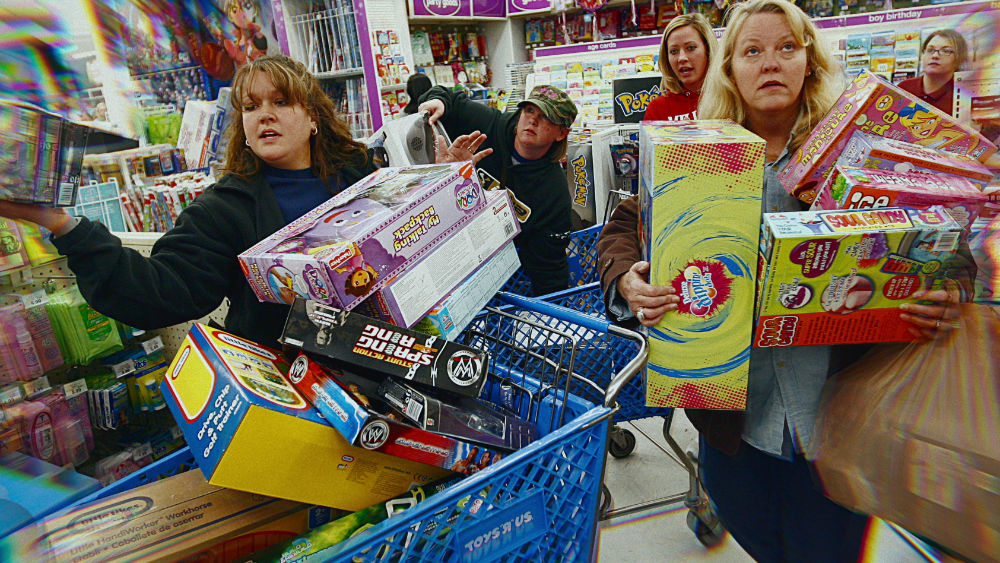
Buy Now! delivers an important message that we all need to hear. Through the old-fashioned magic of television, Nic Slater has amplified the warning with stunning cinematography, hard-hitting infographics and a visceral soundscape.
The message is that we’re being gamed into buying things that we don’t need. This same message applies to both the business and consumer sectors. Eminent voices will explain how the system has been designed to snare a sale and, at the other end of a product’s lifecycle, why there is profit in discarding it into the poorer areas of the world.
You’ll also here time and again that corporates do not plan for product EOL as they consider the issue ‘our problem’. Buy Now! shows why the transition to a circular economy is vital and that our ‘business as usual’ linear economy is wasteful, unsustainable but unbelievably profitable.
Buy Less!
Buy Now! demonstrates why we all need to Buy Less! At this time of the year where Black Friday, Cyber Monday, Cash-grab Wednesday* are used to trigger a panic-buy reaction-sale, we need to resist.
The advice of a former Amazon exec featured in the film is useful for preventing compulsive overconsumption: “If you think you need something, then put it in your online cart and leave it there for a month. If you still want it for a month, it might actually be something you need”.
The final words of Buy Now! are from Kyle. A message we should all consider. “Life is about experiences and the people we’re with. The stuff we have supports it, but it’s not the end, the objective. Whoever dies with the most stuff does not win”.
Buy Now! The Shopping Conspiracy is available to see now on Netflix.
*Cash-grab Wednesday is not really a thing. Yet. When it happens, remember that the first time you read about it was on TechFinitive.com.
Related articles
About The Author

Lee Grant
NEXT UP


