Trending Topics

 Trending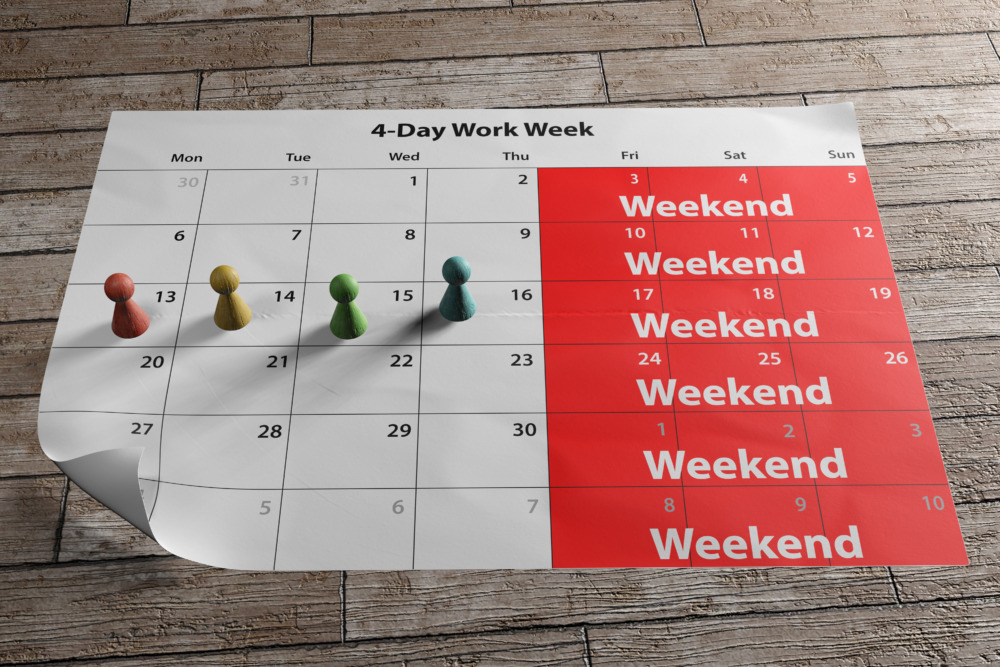
Four-day work trials need to end… but here’s another one anyway

Trials are nice, but it’s high time to just shift to a four-day work week.
That’s the message from the 4 Day Week Campaign as its latest round of trials kicks off in the UK, while announcing it has now chalked up 200 accreditations of employers permanently shifting from a five-day week to four days. Indeed, a survey from July suggested 6% of Brits in full-time roles were already working a shorter work week.
Given that, are more trials even necessary?
“We don’t have to just imagine a four-day week anymore – because it’s already a reality for hundreds of businesses and tens of thousands of workers in the UK,” said Joe Ryle, the director of the 4 Day Week Campaign.
Previous trials – including a massive one in Iceland – have revealed very little measurable downside and plenty of benefits in employee wellness, happiness and productivity. That’s not definitive enough for some, so further trials are continuing. By all means, use the idea of trials to softly introduce the move to a reticent board or to test that it works in your particular circumstances, but how many more positive trials must happen before the idea is simply accepted as good for staff without harming performance? At least one more, it would seem.
This time around, more than 1,000 employees across 17 companies will work shorter weeks without any loss of pay, joined by another four organisations next year. Not all of the participant organisations are rolling out four-day weeks; though that is the most popular option in this cohort, some will also offer a nine-day fortnight, while others are piloting shorter working weeks in other ways.
Four-day week trials across a wide range of employers
For this trial, the companies include a Welsh housing association, global NGO and even a craft brewery, highlighting how the shift to a shorter week can work across sectors. And it isn’t just for office workers or their HR departments hoping to avoid churn.
“It’s great to see a wide range of employers participating in this latest trial,” said Claire Campbell, CEO of consultancy Timewise, which is taking part in the trials. “Many have frontline staff, and the pilots provide an opportunity to think creatively about how to deliver a five- or seven-day service whilst offering staff a four-day week.”
The benefits may differ from office jobs, too. Georgia Pearson, manager at Crate Brewery, hopes the four-day week will help the company with recruitment, but said retention has never been a problem. Instead, she sees other benefits. “For operational teams, physically demanding service shifts can mean that off days are spent recuperating, rather than enjoying personal time off.”
She adds: “This is an opportunity to reimagine our ways of working, operate in a more focussed, efficient and structured way, while offering participating team members all of the benefits that are known to come from reducing working hours.”
What’s next? Not another four-day week trial, please…
Hopefully, more companies will simply shift to flexible or reduced hours without all the fuss. But in the meantime, the 4 Day Week Campaign is working with the University of Cambridge, Boston College, the Autonomy Institute and Timewise to track the progress of this latest trial, with the aim of presenting the results to the government next summer.
Indeed, a survey last summer showed six in ten Brits wanted a four-day week, and the idea was even more popular among Labour voters. More recently, civil servants at Defra and the Ministry of Housing, Communities and Local Government have both pushed for a four-day trial.
If the results from this latest round of trials are as successful as previous ones, the government will have to sit up and take notice – or at least let those civil servants run their own trial.
About The Author

Nicole Kobie
NEXT UP


