Trending Topics

 Trending
Heat waves are making work impossible, but what can you do about it?

Feel like you just can’t work when you’re melting in a heat wave? You’re not alone.
As recent heat waves have hit the UK and Europe, workplaces have tried everything to keep everything ticking along: one airport let ground staff cool off with industrial hoses; a British restaurant doled out frozen bandanas to staff to wear around their necks; and plenty of offices have installed slush machines or handed out ice lollies and ice cream.
But all this isn’t enough.
A story in the Guardian notes that a four-day heatwave could whack economic growth by 1.5 points due to losses in key sectors like construction and agriculture. Globally, those two sectors make up nearly 80% of working hours lost to heat stress.
The World Health Organisation found in a report last year that worker productivity falls up to 3% for every degree above 20°C (68°F). “Protection of workers from extreme heat is not just a health imperative but an economic necessity,” said World Meteorological Organization Deputy Secretary-General Ko Barrett at the time.
It all adds up to a major health imperative: nearly 23 million workers suffer heat-related workplace injuries each year, causing 19,000 deaths. Without intervention, both numbers are only going to grow.
What’s too hot?
Despite none of this being new, workplaces are ill-prepared. With temperatures breaking records, some are calling for laws to ban working in hot conditions.
Some countries have maximum legal temperatures for work. These require employers to provide protection, such as fans or different working hours, when those temperatures are hit. Spain is offering staff paid time off rather than requiring them to battle high temperatures in commutes.
In the UK, environmental activists are calling for a “heat strike” and demanding a national maximum indoor working temperature of 30°C (86°F) or 27°C (81°F) for those doing heavy labour.
Mitigating the climate crisis at work
The easy answer for corporate headquarters is air conditioning. Even in the UK, where aircon is a rarity at home, most offices have air conditioning. Whether it’s good enough is another question: 60% of people polled in the country after a recent heat wave said their workplaces were too hot, with 25% saying it hit their productivity.
Even if their working hours are tolerable, 86% of people polled in the UK said the recent June heatwave disrupted their sleep, with one in ten saying they were unable to work or lost working hours.
Finding solutions for those working outside is more of a challenge. Barcelona has rolled out heat-monitoring bracelets to city workers toiling outside, such as street cleaners, to track their body temperature. If workers get a notification that their temperature is too high, they must stop working.
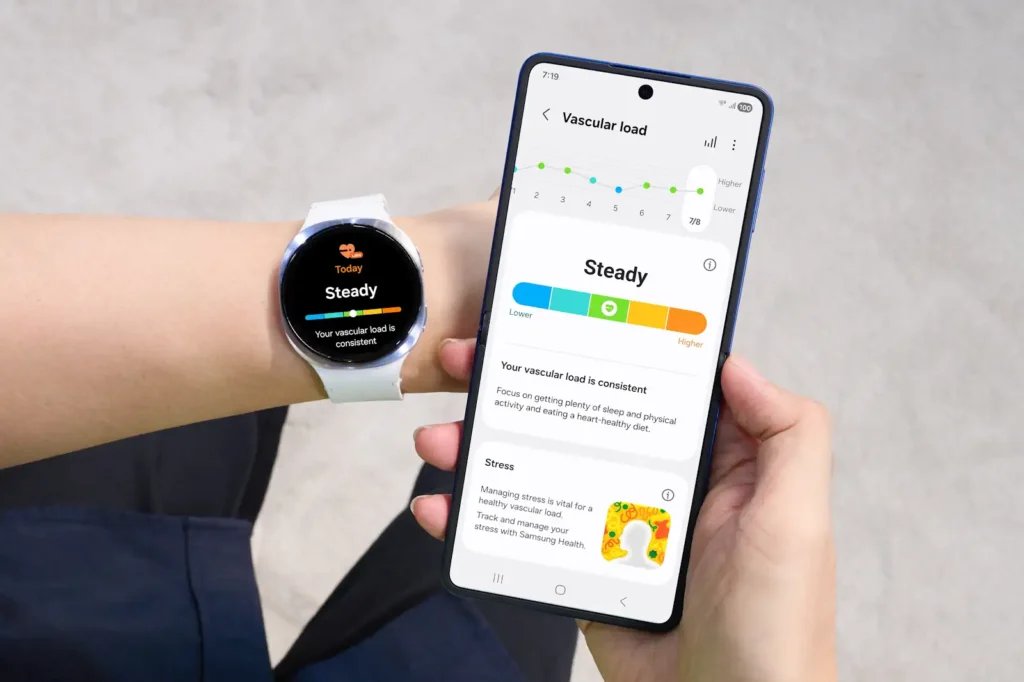
Similar ideas have been trialled by the US military on soldiers to predict heat stroke by looking at heart rate, temperature and even walking gait, while health startups have developed patches that do the same. Samsung has added heat stress sensing to the Galaxy Watch, part of a collaboration with the South Korean government.
Naturally, many of these devices are costly, or require an expensive smartphone, so aren’t available to many outdoor workers, but it’s a start. A cheaper solution is to not punish workers for taking a break in extreme weather.
What can managers do?
Heat waves are a safety issue: if workplaces aren’t safe for employees, don’t expect any work to get done. Relaxing dress codes and doling out ice cream won’t cut it. Companies need to consider mitigations now, be it investing in air cooling solutions or rolling out monitoring equipment to field workers.
Even those investments don’t stop the heat from disrupting sleep, shutting down public transport or closing schools, nor do they prevent those working outside from getting too hot – they just issue a notification when someone’s already on the verge of heat stroke.
There’s a simple answer to heat waves when it comes to working: stop.
Productivity can’t hold up against the climate crisis. We can dole out tech and treats, shift start times to early mornings, take on the habit of siestas in the afternoon to dodge the worst heat and make up for disrupted nighttime sleep.
But it’s time to admit that our best work isn’t happening in the summer any longer, no matter how many ice lollies we eat.
About The Author

Nicole Kobie
NEXT UP


