Trending Topics

 Trending
Why am I getting scam notifications in Microsoft Edge and how do I stop them?

It starts with a pop-up message – or perhaps a series of them – right in the bottom corner of your screen. Suddenly, you find your Windows desktop cluttered with urgent warnings about virus infections or software updates.
If this is happening while using Microsoft Edge, don’t worry. Your computer isn’t broken or infected with malware. These are scam notifications, and this guide explains why they appear and how to stop them.
What are Edge scam notifications?
Scam notifications are fake alerts designed to look like messages from Microsoft Edge, your antivirus, or even your operating system. They show up on your desktop or phone and try to pressure you into clicking a link, installing something, or contacting a fake IT support service.
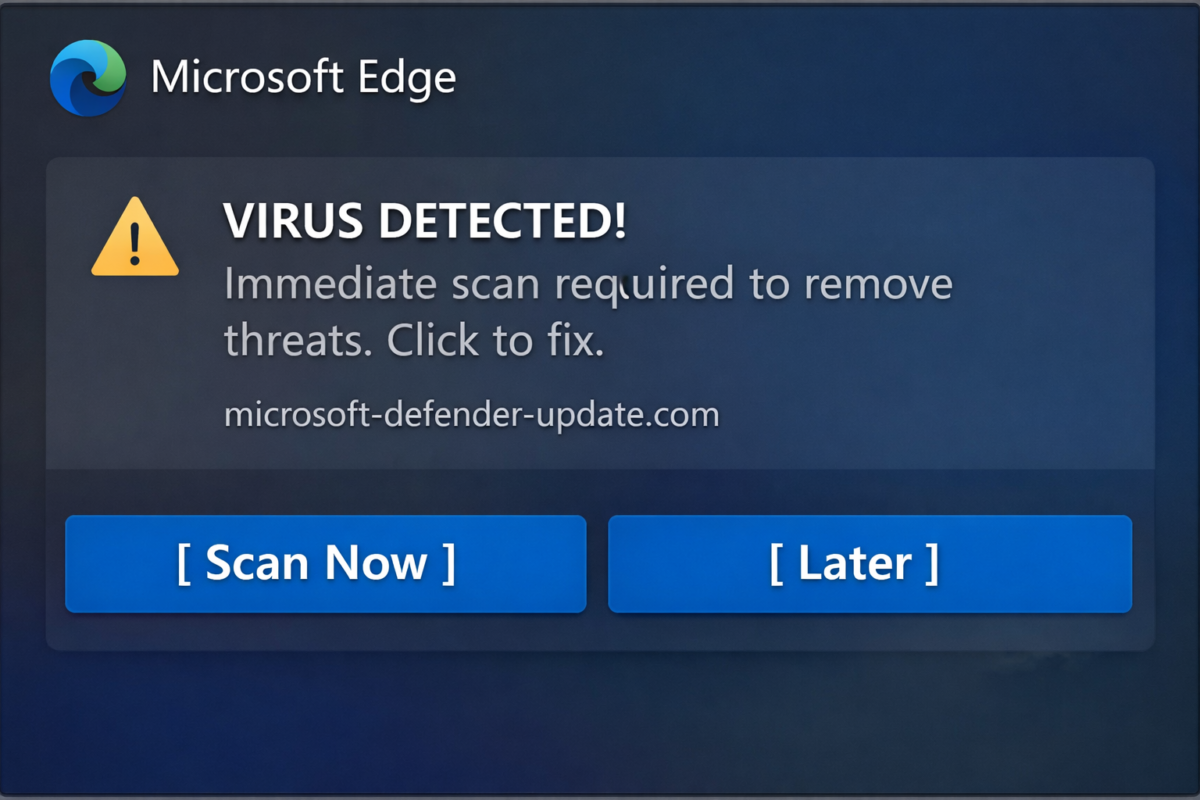
How do these Edge scam notifications sneak in?
Microsoft Edge, like other modern browsers such as Google Chrome, allows websites to send push notifications to your desktop. Microsoft intended this feature to be used for legitimate reasons, such as receiving updates from news sites or alerts from web-based email clients.
However, scam sites manipulate the notification. When you visit a deceptive site, it will often present a fake “Security Alert,” a “human verification” button, or a “Click Allow to continue” prompt. By clicking “Allow,” you give that website permission to send notifications whenever it likes.
So be careful of any pop-up prompts that may appear while using Microsoft Edge. However, the most common way to end up with scam notifications is through a genuine Microsoft Edge box that appears near the address bar.
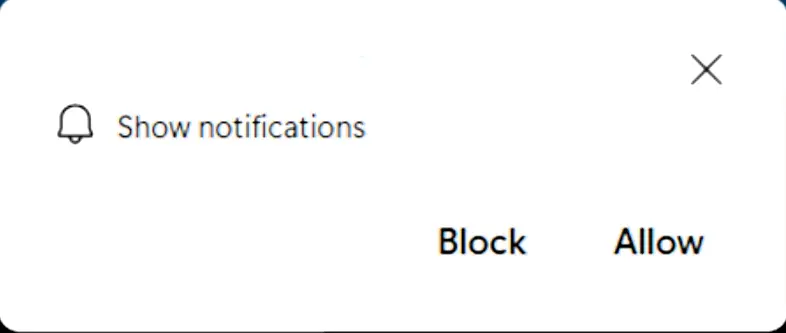
If you see one of these notification boxes, be vigilant. Even if the request appears to come from a legitimate website, it could still be a scam. If you see one of these boxes, it’s safest to click Block. Only allow notifications if you’re certain you want them – even genuine ones can be annoying.
What do I do if I’m already getting Edge scam notifications?
If scam notifications are already appearing, you can turn them off through the settings in Edge. Here’s how to do so.
Stop spam notifications on a PC or Mac
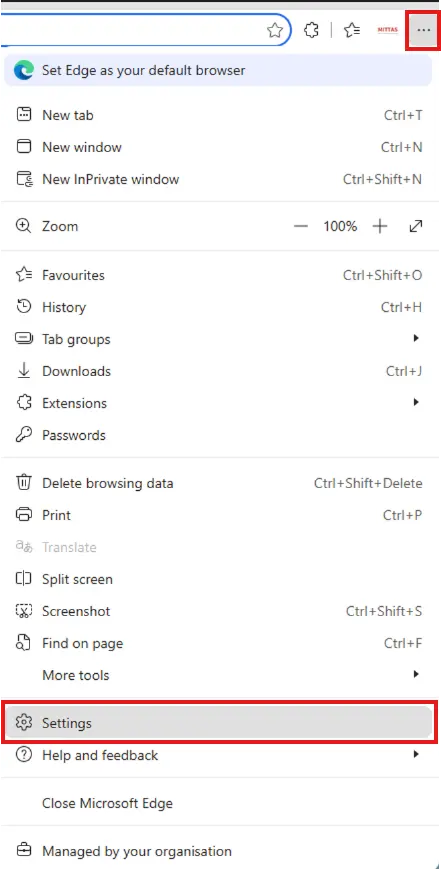
To stop scam notifications on a PC or Mac, open Edge and click on the three horizontal dots in the top right of the app. Then select Settings from the menu that appears.
Next, on the left-hand side of the settings page, click on Privacy, search, and services.
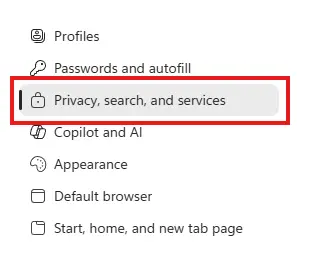
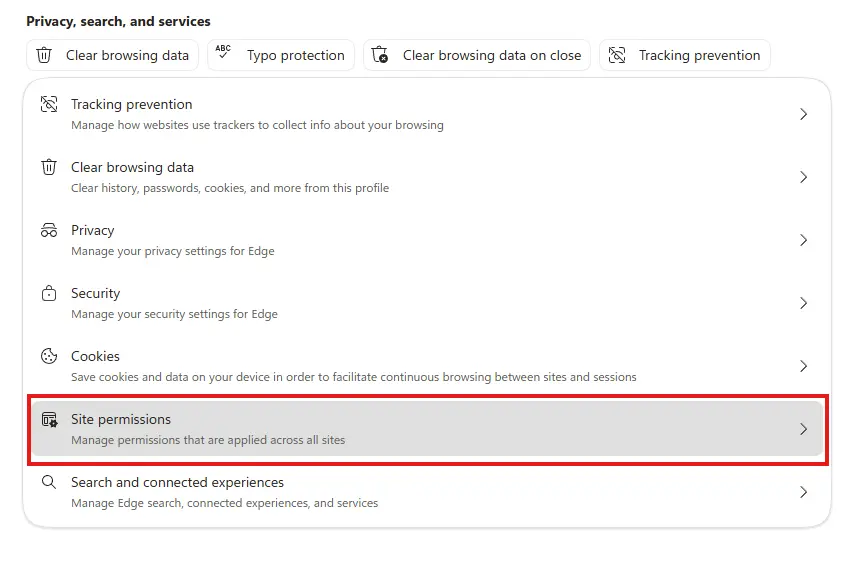
In the “Privacy, search, and services” section on the left-hand side, click Site permissions.
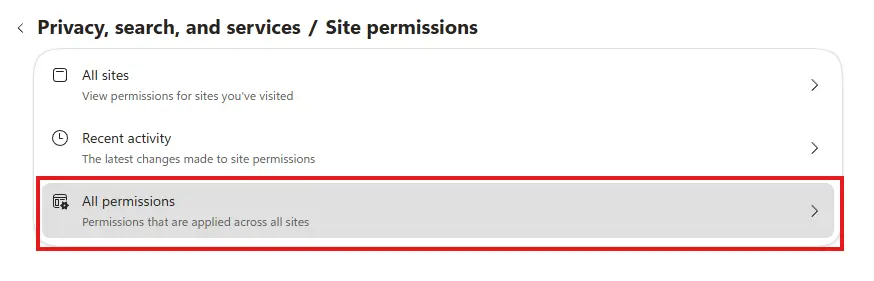
Now click on All permissions.
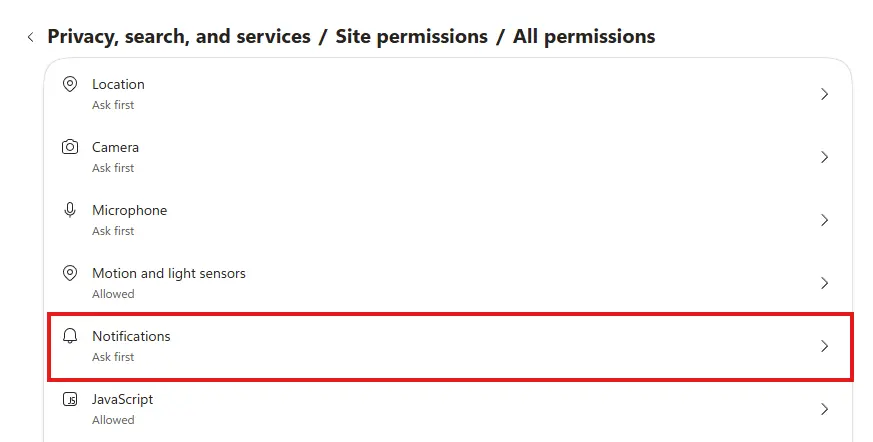
Next, from the list that appears, select Notifications.
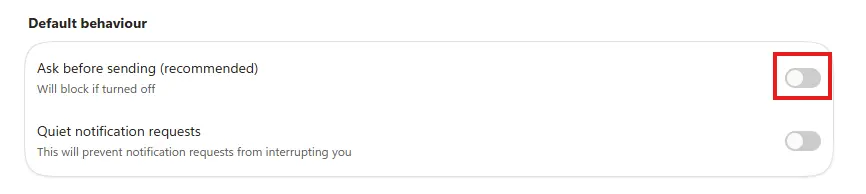
You can now decide if you wish Edge to stop offering notifications in the future. To do so, click the green toggle switch to the right of Ask before sending under the Default Behaviour section. The switch should now turn grey. Doing this vastly reduces the chance of scam alerts appearing, but only choose it if you’re sure you don’t want any notifications.
Now look under the Customised behaviours section, and you’ll find a list of websites that are allowed or not allowed to send notifications. To block any unfamiliar or unwanted websites, click the three horizontal dots next to the site and select Block.
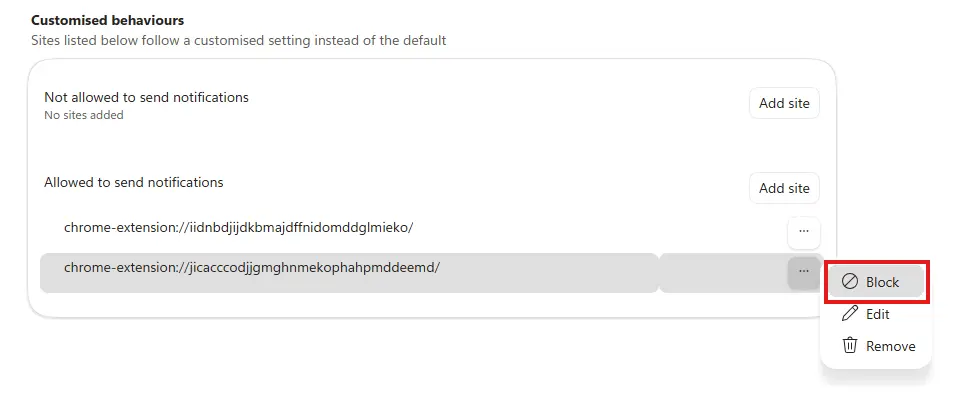
The site will now appear under the Not allowed to send notifications heading. Although you can choose Remove, it’s better to select Block to avoid the site sending further notifications.
Stop spam notifications on an Android phone or tablet
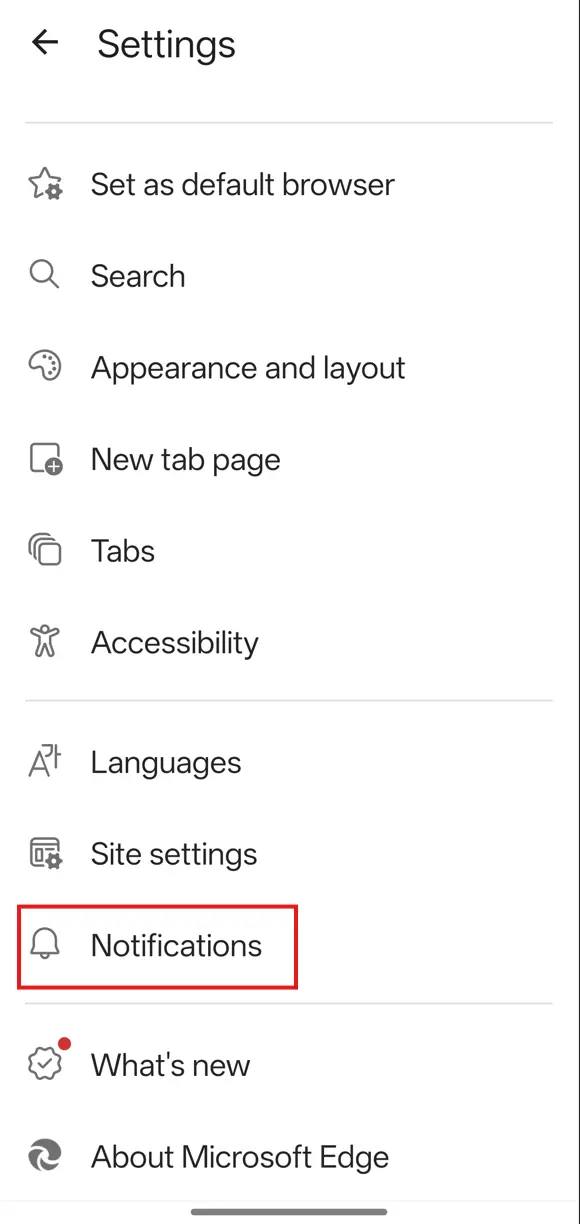
To remove Edge scam notifications on an Android phone, first open Edge, click the three vertical lines on the bottom row of the app, and tap on Settings on the menu that appears.
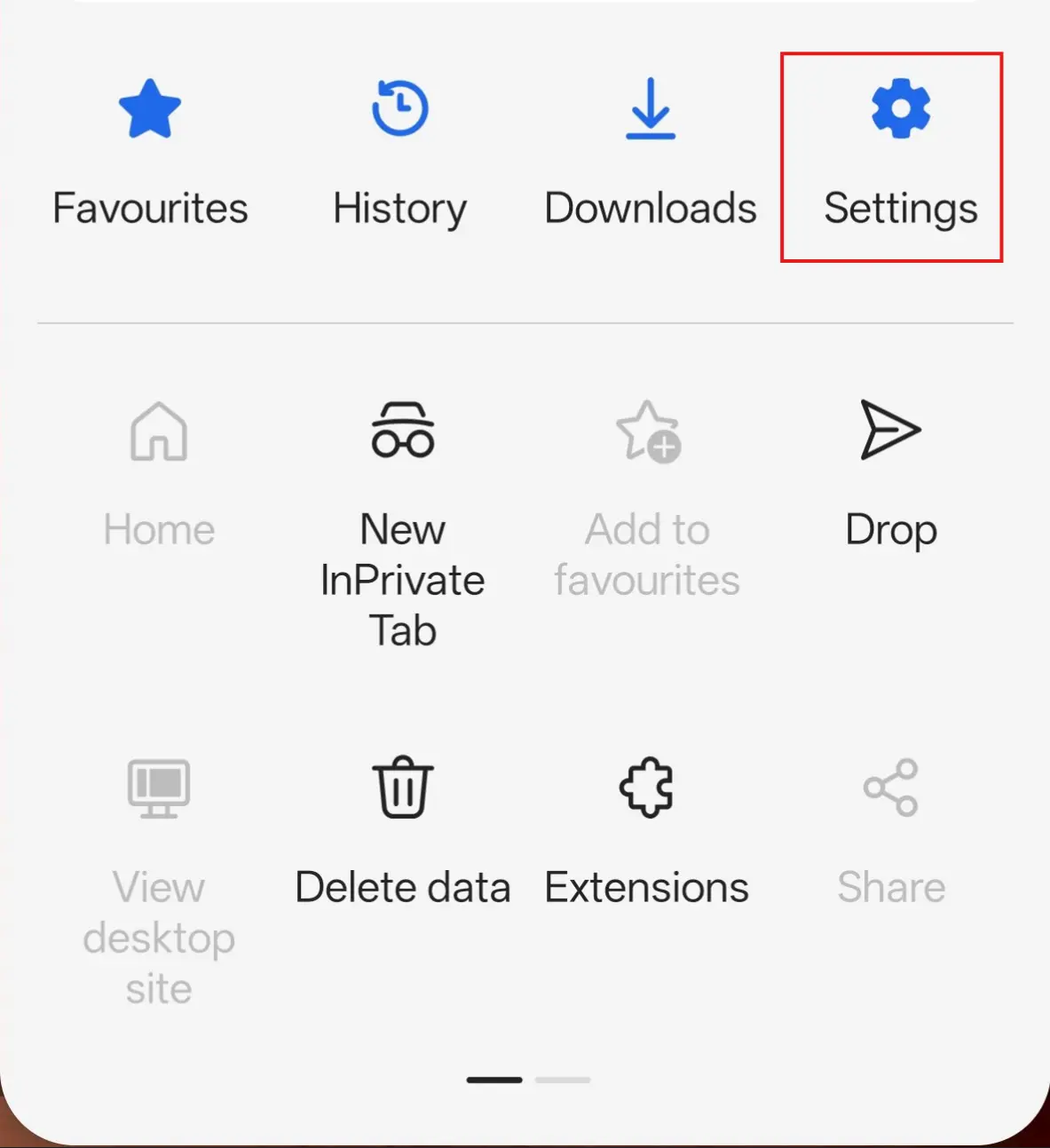
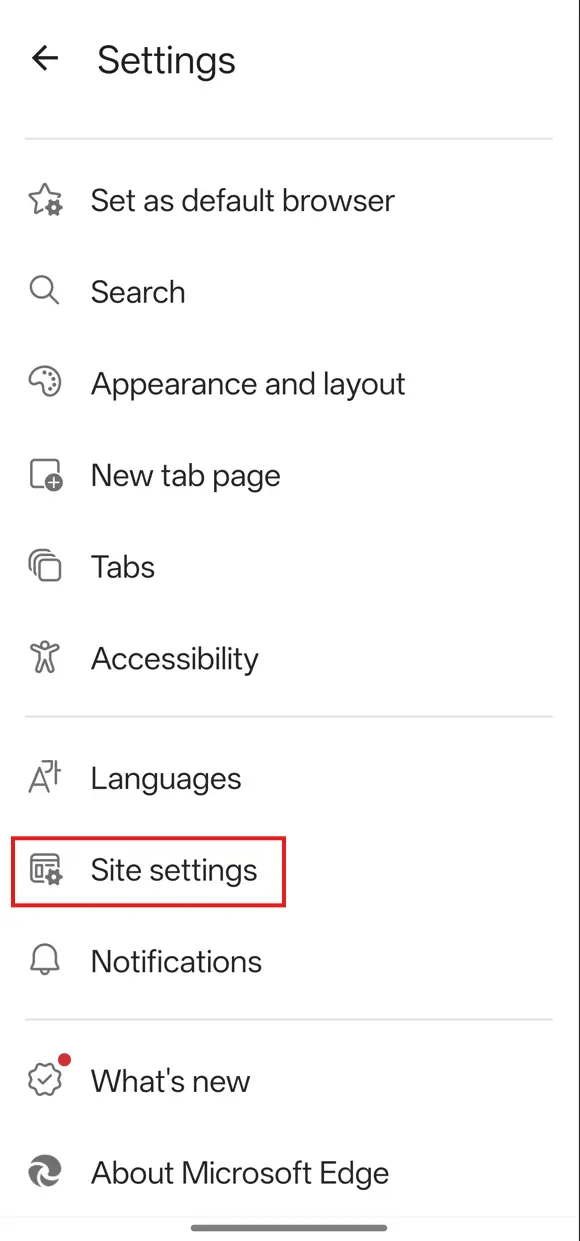
Before you look at blocking any websites, you may want Edge to stop offering website notifications in the future. To do this, first scroll down and tap Site settings.
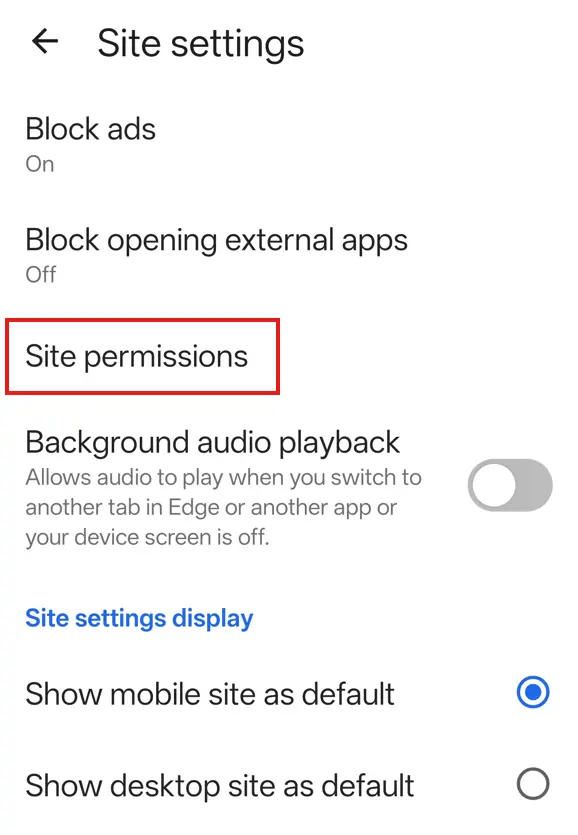
Now tap on site permissions.
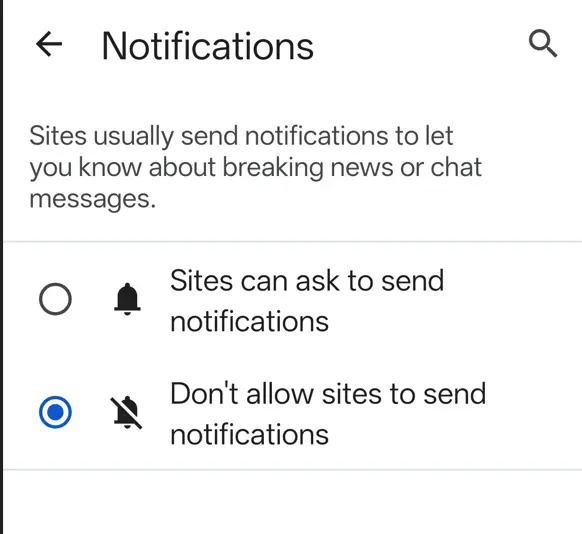
Next tap on Notifications.
To stop all website notifications, tap the circle next to Don’t allow sites to send notifications. Doing this vastly reduces the chance of scam alerts appearing, but only choose it if you’re sure you don’t want any notifications.
In the Notifications section, you will also find any websites that are allowed or not allowed to send notifications. To block any unfamiliar or unwanted websites, first tap the three vertical dots next to the site shown in the Allowed section. Once done, toggle the Allow notifications switch to the off position.
Stop spam notifications on an iPhone/iPad
Apple doesn’t allow Edge notifications on iPhones or iPads, so any scam alerts on these devices are not coming from Edge.
Other reasons for scam notifications
While this article covers the most common cause of scam notifications in Edge, they can sometimes come from other sources. If the steps above don’t fix the problem, try these two additional options.
Remove unwanted Edge extensions
To check them, type the following into the address bar in Edge on your PC and Mac (extensions are not available on the phone or tablet version of Edge).
edge://extensions/
and then hit the Enter key.
This will take you to the extension page. Look at the listed items and remove any unrecognised ones by clicking the Remove button within the extension box.

Scan for unwanted software or malware
Unwanted software, often known as PUPs, or general malware can also cause scam notifications and pop-ups. A full scan with your antivirus should hopefully sort those out.
If you still have issues, Malwarebytes is worth a try. It’s very effective at detecting PUPs and malware. When first installed, it includes a 14‑day trial of the full software before switching to a free version.
The free version doesn’t offer real-time protection, so you need to run a scan manually whenever needed, and it will nag you to buy it. However, it’s an excellent companion to your main antivirus and is great at weeding out adware and scams.
Related articles by Mark Parvin
About The Author

Mark Parvin
NEXT UP


