Trending Topics

 Trending
Where is the Alt key on a Mac?

Table Of Contents−
- Where has the Alt key gone on Macs?
- What does the Option key do?
- What if my keyboard doesn't have an Option key?
- How to remap modifier keys on a Mac
- Hidden Option key startup shortcuts on Mac
- Typing even more special characters with Option
- Option key shortcuts for file management in Finder
- App-specific Option key shortcuts you might not know
- Option key tricks for managing windows and Dock behavior
If you’ve come from the Windows world, you’re probably used to having an Alt key on the keyboard. Indeed, if you’re a long-term Mac owner, you might remember Alt keys from years gone by. Where is the Alt key on a Mac today? All is revealed below.
Where has the Alt key gone on Macs?
If you’ve got an old MacBook or Mac keyboard kicking around, you might well see Alt keys on either side of the Command keys.
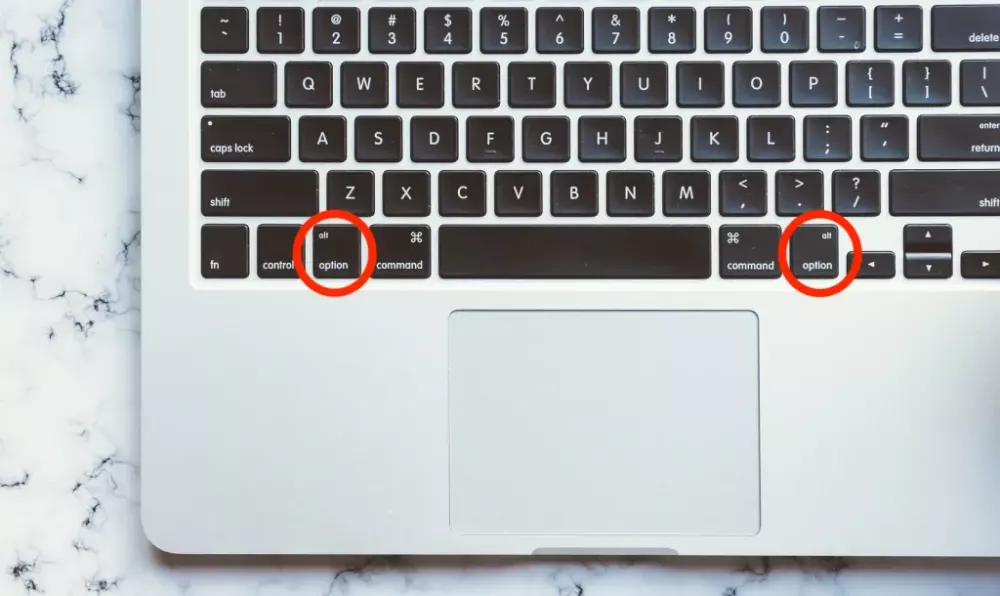
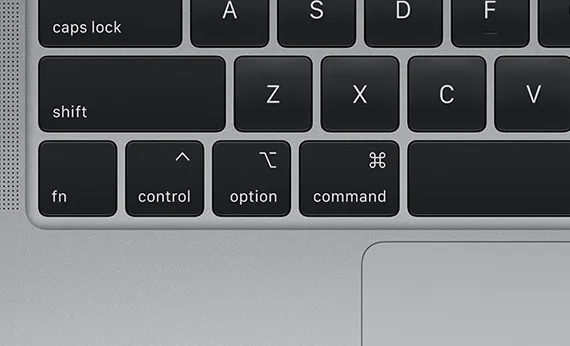
On modern Macs, however, the Alt wording has been done away with and it’s now known as the Option key, complete with its own symbol, as shown below:
What does the Option key do?
On its own, not a lot. However, when used in combination with other keys, it can unlock shortcuts, features and functions.
We’ve written a guide to Mac keyboard shortcuts, which includes a printable sheet of keyboards that you can stick next to your computer. Many of those use the Option key.
Here are a few of the more useful things you can do with the Option key:
Option + volume up/down key: open Mac sound preferences
Option + screen brightness up/down key: open Mac display preferences
Hold down Option and click on Bluetooth icon in Mac Menu Bar: get a more detailed breakdown of devices connected via Bluetooth
Hold down Option key and click on Wi-Fi symbol in Mac Menu Bar: get a detailed look at your current Wi-Fi network
Hold down Option and click on date/time in Mac Menu Bar: toggle Do Not Disturb on or off
The Option key is also useful for typing symbols or accents. On a UK keyboard, if you hold down Option and type the following keys, you’ll get the symbol shown:
| Option key + | Symbol |
|---|---|
| 2 | € |
| G | © |
| R | ® |
| Shift + 2 | ™ |
| Shift + 8 | ° (degrees symbol) |
| Shift + K | (Apple symbol, will only show on Apple devices) |
| V | √ |
What if my keyboard doesn’t have an Option key?
This likely means you’re using a PC/Windows keyboard with your Mac. The Alt key should offer the same functions as Option.
How to remap modifier keys on a Mac
If you’re switching between a Mac and a Windows keyboard — or just prefer your modifier keys arranged differently — macOS makes it easy to remap keys like Option, Command, Control, and Caps Lock. This can be particularly useful if you’re using a Windows keyboard, where the Alt and Command keys aren’t in their usual Mac positions.
Here’s how:
- Go to System Settings (or System Preferences on older macOS versions).
- Choose Keyboard.
- Scroll down and select Keyboard Shortcuts… or Modifier Keys….
- Here you can reassign each modifier key to a different role. For example, you could set the Alt key on a Windows keyboard to act as Option or Command.
This is a great way to avoid muscle memory mishaps if you regularly swap between different layouts.
Hidden Option key startup shortcuts on Mac
The Option key isn’t just handy inside macOS — it also has a role during startup. Here are a few useful Option-based startup commands:
- Hold Option at startup: Displays the Startup Manager, letting you choose which drive or partition to boot from (handy if you have multiple macOS versions installed or a Windows Boot Camp partition).
- Option + Command + P + R at startup: Resets the NVRAM/PRAM, which can help resolve issues with display resolution, sound volume, and startup disk selection.
- Option + D at startup: Runs Apple Diagnostics via the internet if your Mac isn’t behaving as expected.
These shortcuts aren’t widely known but can save you a trip to an Apple Store when troubleshooting.
Typing even more special characters with Option
Beyond the handful of symbols listed above, the Option key unlocks an entire world of hidden characters — particularly useful for anyone working with typography, coding, or international text. Here are a few lesser-known combinations on a UK keyboard:
| Key combination | Symbol |
|---|---|
| Option + 3 | £ (Pound sign) |
| Option + 4 | ¢ (Cent sign) |
| Option + 7 | • (Bullet) |
| Option + [ | “ (Left double quote) |
| Option + ] | ” (Right double quote) |
| Option + Shift + K | (Apple logo — as you noted, only visible on Apple devices) |
To explore these for yourself, open System Settings > Keyboard, enable Show Keyboard and Emoji Viewers in menu bar, then open the Keyboard Viewer to see what each key combination produces in real time.
Option key shortcuts for file management in Finder
The Option key is packed with hidden file management tricks in macOS Finder. Here are a few handy examples you might not know about:
- Option + drag a file: Creates a copy of the file in the new location, instead of moving it.
- Hold Option while clicking the File menu: Reveals hidden commands like Close All or Save As…, which don’t normally appear.
- Option + Command + W: Closes all open Finder windows at once.
- Option + Empty Bin: Bypasses the confirmation dialog and immediately empties the Trash — useful if you know you want to clear it without extra clicks.
These shortcuts can speed up your workflow, especially if you regularly organise or back up files.
App-specific Option key shortcuts you might not know
Many macOS apps offer hidden features when you hold down the Option key — a kind of secret menu for power users. Here are a few highlights:
In Safari:
- Option + Command + W: Closes all Safari windows instantly.
- Hold Option while clicking a menu: Reveals extra options, like Close Other Tabs when right-clicking a tab.
In Messages:
- Option + Enter: Sends a message without creating a new line — ideal if your Enter key sends messages and you want to avoid the Shift workaround.
In Final Cut Pro:
- Option + Command + N: Creates a new project.
- Option + drag a clip: Duplicates it instantly in the timeline.
These kinds of Option-based shortcuts are sprinkled throughout macOS apps — a good reason to experiment by holding it while browsing menus.
Option key tricks for managing windows and Dock behavior
The Option key also has a few clever uses when it comes to window and Dock management:
- Option + click the green window button: Toggles between full screen and normal window size without entering macOS’s full-screen mode.
- Option + Command + M: Minimises all open windows of the frontmost app.
- Option + click on an app in the Dock: Hides all other open apps, leaving only the selected one visible.
- Option + right-click an app icon in the Dock: Brings up additional quit options, including Force Quit.
This can dramatically tidy up a cluttered desktop when you’re juggling multiple apps and windows.
This article was updated on the 20th June 2025 with additional tips and tricks.
About The Author

TechFinitive staff
NEXT UP