Trending Topics

 Trending
What is App Cloud? How do I delete it?

Table Of Contents−
- What is App Cloud?
- How do you delete AppCloud?
- Why does AppCloud exist in the first place?
- The risks and drawbacks of leaving AppCloud installed
- How to remove other Samsung bloatware using ADB (for advanced users)
- How to avoid similar issues after future Android updates
- You might also be interested in the following articles
My Samsung Galaxy M31 recently updated to Android 12. Following that upgrade, there was an impossible-to-remove notification from an app called AppCloud, warning me to “complete device setup”. What is App Cloud? And how do you get rid of it? We’ve got answers to both.

What is App Cloud?
It turns out that AppCloud is a complete piece of junk that’s trying to install unwanted apps on your device. Samsung should be ashamed for shoving this onto people’s devices.
If you click on that AppCloud notification, you’ll probably see a screen like this:
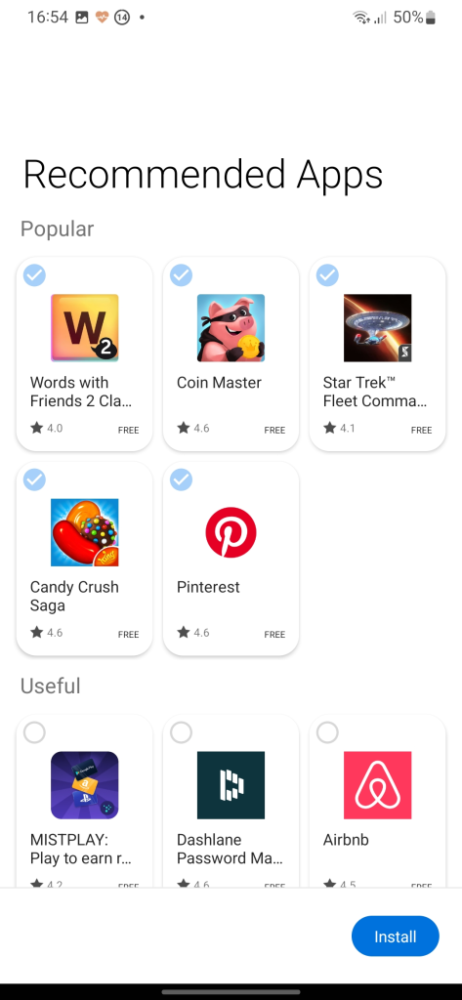
As you can see, there are several pre-ticked apps that it plans to install at the top of the screen and no means of unticking them. It seems the only way out is to suck it up and install the apps, but it’s not. It’s best to get rid of AppCloud instead.
How do you delete AppCloud?
Time needed: 2 minutes
How to delete AppCloud
- Open the phone’s Settings app
Once you’ve opened the Settings app, scroll down and click on Apps
- Find AppCloud in the list of apps
If you can’t see AppCloud in the list of your installed apps (it appears to hide initially), then click the little search icon at the top of the screen and search for ‘AppCloud’. It should appear then. Select it from the list of results.
- Delete the app
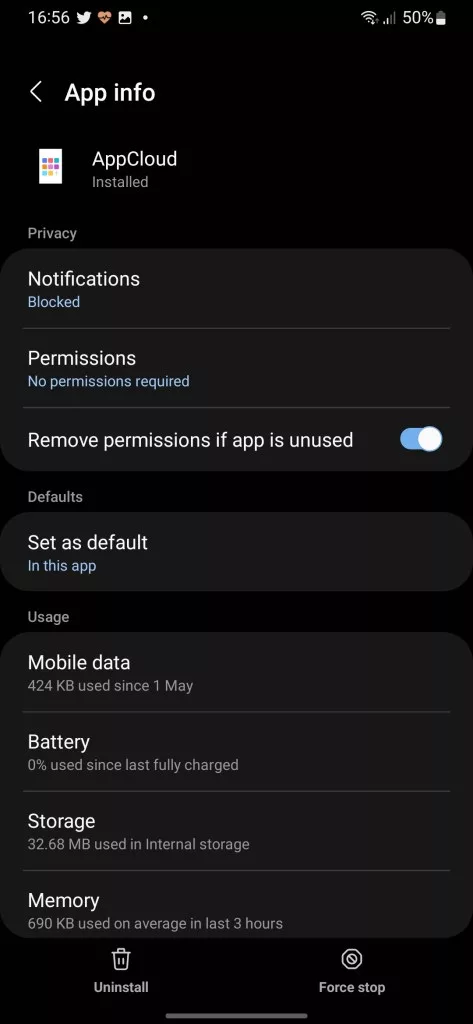
If you think you might want AppCloud and just want to kill the notification, you can click under Notifications and select Blocked. If you want to remove this crapware completely, then simply select Uninstall from the bottom of the screen, as shown below.
Goodbye and good riddance.
Why does AppCloud exist in the first place?
AppCloud is part of a long-standing trend among Android device manufacturers, Samsung included, to preload third-party apps or offer “suggested” installs as part of their business partnerships. These arrangements allow manufacturers to subsidise device costs or generate additional revenue streams by promoting partner apps.
Unlike core system apps that handle essential phone functions, AppCloud acts as an app recommendation service — but one that aggressively inserts itself into the user experience after updates. It collects information about the apps you use and the categories you’re interested in, then suggests new apps accordingly.
The issue here is that users aren’t given a fair opportunity to opt out before it attempts to push apps onto their devices. It prioritises revenue-generating installs over user experience, which is why it’s widely viewed as bloatware rather than a helpful service.
The risks and drawbacks of leaving AppCloud installed
While AppCloud isn’t technically malware, it comes with several annoyances and potential issues:
- Unwanted app installations: It installs third-party apps without clear consent, often ones you neither need nor want.
- Privacy concerns: It collects behavioural data on your device usage and app preferences to suggest additional apps, behaviour that many privacy-conscious users find intrusive.
- Performance impact: Bloatware services like AppCloud occupy storage space, use background resources, and generate notifications that distract from your preferred user experience.
- Security risks: Although AppCloud itself isn’t harmful, the apps it recommends may not always be high-quality or well-vetted, especially if they’re from obscure developers. This increases your exposure to adware or poorly built apps.
For these reasons, many users prefer to remove or disable services like AppCloud immediately after they appear.
How to remove other Samsung bloatware using ADB (for advanced users)
If you’re fed up with AppCloud and similar bloatware but your phone won’t allow you to uninstall them via Settings, there’s a more powerful method using Android Debug Bridge (ADB). This tool allows you to uninstall system apps without rooting your phone.
Caution: This is for advanced users. Incorrect use of ADB can disable important system apps.
Basic steps:
- Install ADB tools on your PC.
- Enable Developer Options on your phone:
Settings > About phone > Software information > Tap ‘Build number’ seven times. - Turn on USB Debugging:
Settings > Developer options > USB Debugging. - Connect your phone to your PC via USB.
- Open a command prompt or terminal window and navigate to your ADB folder.
- Type
adb devicesto confirm your phone is connected. - Run the command:
adb shell pm uninstall --user 0 com.samsung.android.app.spage
*(replace the package name with AppCloud’s package name once identified — usually something likecom.samsung.android.app.appcloud)*.
Note: This hides the app for your user account without rooting the phone or affecting system stability.
How to avoid similar issues after future Android updates
Samsung and other manufacturers often sneak bloatware back in after system updates. Here’s how to stay ahead:
- Review installed apps immediately after an update: Check your app list and uninstall or disable anything unfamiliar.
- Use package disabler apps: There are legitimate apps on the Play Store (like Package Disabler Pro) that can block or disable unwanted services without root.
- Regularly review app permissions:
Settings > Apps > [App Name] > Permissions
Disable permissions for any apps you don’t actively use. - Use a minimalist Android ROM (for advanced users): If you’re technically inclined, consider installing a clean, de-bloated custom ROM like LineageOS for a Samsung-free experience.
You might also be interested in the following articles
About The Author

TechFinitive staff
NEXT UP