Trending Topics

 Trending
Flip on long edge vs flip on short edge: which should I choose?

If you’ve got a duplex printer – one capable of printing on both sides of the paper – you will likely have been confronted with the option: flip on long edge vs flip on short edge. Which should you pick for your document? Let us help you out.
What is duplex printing?
Duplex printing means printing on both sides of a sheet of paper. Many modern home and office printers support this feature, either automatically or manually (by reinserting pages).
When printing double-sided, you’ll often see two options:
- Flip on long edge
- Flip on short edge
These settings control how the printer turns the page when printing on the other side, ensuring your document reads in the correct order and orientation.
Flip on long edge
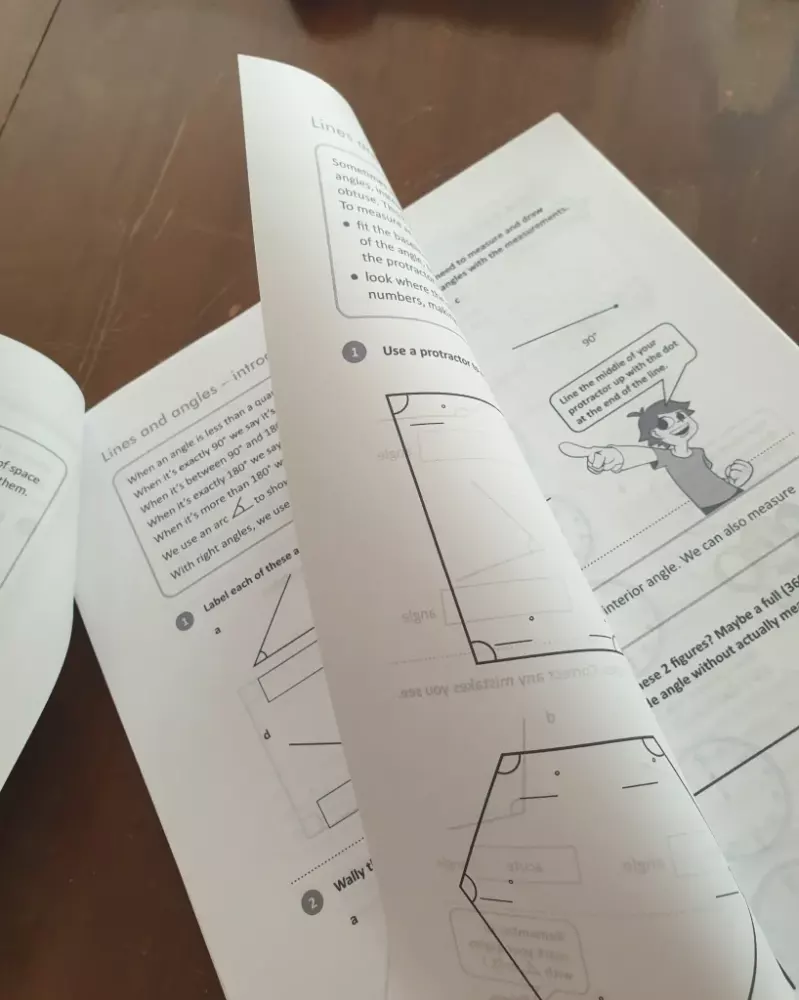
Flip on long edge is the option you’re likely looking for if you’re printing a document in the regular portrait orientation and want to read it like a book.
The document shown below is an example of one where the printer has been told to flip on the long edge:
When to use it:
- Business reports
- Essays
- Contracts
- Documents bound like a book
Flip on short edge
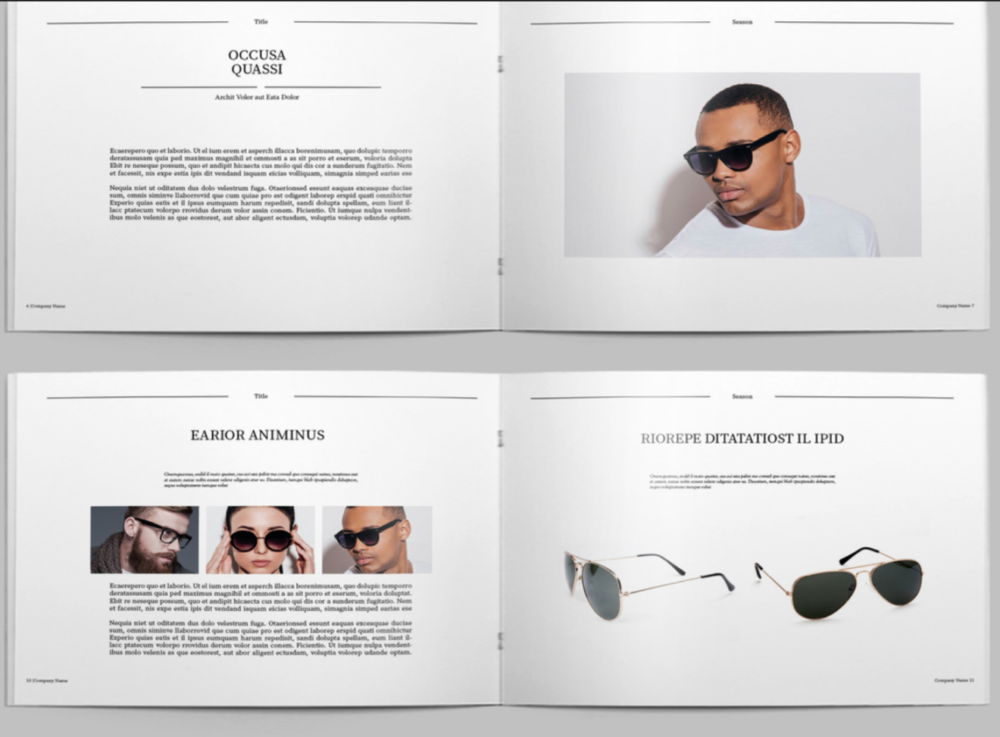
Flip on short edge comes into play when you’re printing a document in landscape mode and, again, want the document to read like a book, with page 2 on the opposite side to page 3, and so on.
This type of booklet (design available from Adobe Stock, by the way) would have been printed by flipping on the short edge:
When to use it:
- Landscape booklets
- Presentations
- Brochures
- Greeting cards folded top-down
These are the two main options that you’ll use for 99% of all print jobs, but if you’re wondering what alternative options look like – such as flipping on the short side when printing in portrait mode – the diagrams at print-conductor.com should help.
Quick reference table
| Scenario | Orientation | Flip Option |
|---|---|---|
| Business report (book-style) | Portrait | Long edge |
| Landscape booklet | Landscape | Short edge |
| Greeting card (top fold) | Portrait | Short edge |
| Side-bound brochure | Portrait | Long edge |
Understanding the options in plain language
When double-sided printing is enabled, “flip on long edge” and “flip on short edge” tell the printer how to turn the paper between sides. In simple terms, long-edge flipping is like turning the pages of a book (left-to-right), while short-edge flipping is like flipping a notepad or calendar (bottom-to-top). In fact, many drivers label them differently – for example, some call “long edge” Flip over (bind on the left for portrait) and “short edge” Flip up (bind on the top). The bottom line: if your pages should turn like a standard book, use the long-edge setting; if they should turn up like a flip-chart or top-bound notepad, use the short-edge setting
Common use cases and scenarios
- Portrait documents (book-style): Flip on long edge is usually correct. This binds along the long side so pages read sequentially, top-to-top. Think business reports, essays or manuals that open like a book – set long-edge (often shown as “bind on left” or similar) to keep text upright.
- Landscape documents (wide handouts): Flip on short edge works best. This flips along the short side, letting you turn pages up like a calendar. For example, a presentation printed in landscape or a picture album would use short-edge binding so that when you flip the page vertically, the content stays right-side-up.
- Top-bound calendars and notepads: Even if the file is portrait, a top-fold calendar or top-binding booklet needs short-edge flipping. In practice this means choosing “flip on short edge” so the back of each page isn’t upside-down when you flip it from the bottom.
- Side-bound brochures: These often use portrait pages but bind on the long side (left). A side-folded brochure or pamphlet behaves like a book, so flip-on-long-edge is the rule here
Variations in printer terminology
Printer drivers don’t all use the same labels, which can be confusing. The HP community notes that “flip over” usually means the same as flip-on-long-edge, and “flip up” means short-edge. Brother printers might list “Long Edge (Left)” or “Short Edge (Top)” in their 2-sided menu. Some manuals even say “bind on left/right” versus “bind on top/bottom.” The key is to connect the name to how you want to turn the pages: left/right (long side) or up/down (short side). If in doubt, read any on-screen diagrams or sample printouts in the driver – they usually show a tiny preview of the paper flipping.
Pitfalls to avoid
Even experienced users slip up when printing double-sided. A common gotcha is mixing orientations in one print job. Most software will apply your chosen flip setting to every page – so if part of your document is portrait and part is landscape, one of them will come out upside-down. For example, choosing “flip on long edge” for a mixed doc will print landscape pages sideways. Microsoft explicitly warns that a mixed-orientation duplex job “will cause the portrait pages to flip upside down” if the orientation doesn’t match the flip rule. The workaround is to print mixed-orientation pages separately (one job portrait long-edge, one job landscape short-edge), or ensure your document uses a single orientation.
Another mistake is trusting default settings without checking. Always peek at the print preview: if the page-turn arrows don’t match how you hold the paper, switch edges. Test with a couple of sheets first. It’s better to waste a scrap piece of paper than a whole print run.
Tips for error-free duplex printing
- Double-check orientation: Before hitting Print, confirm the page orientation in both your document and printer dialog match. If your text should read left-to-right after flipping, choose Long Edge (left binding). If it should flip up, choose Short Edge (top binding).
- Preview and test: Many print dialogs show a tiny diagram. Use it! Better yet, print one test spread (two sides of one sheet) to make sure page 2 isn’t upside-down on the back of page 1.
- Know your printer’s names: If your printer calls it “flip up/down” or “bind top/bottom,” translate it. Generally, “flip down/up” = short-edge binding; “flip over” = long-edge. References like HP’s or Brother’s guides can help connect the terms.
- Staple or bind with orientation in mind: If you’ll staple or bind the stack, imagine your bind edge – long or short – and choose the flip that aligns the content correctly along that edge.
By keeping these points in mind – how you want pages to turn and what your driver actually calls the option – you’ll avoid the dreaded upside-down page. Think of it like choosing how to bind a small booklet: do you want the left side as the spine (flip on long edge) or the top edge as the spine (flip on short edge)? That decision, guided by the tips above, ensures your finished document reads exactly as intended.
How to find duplex printing settings
You’ll usually find duplex and flip options in your print dialogue box. Here’s where to look in common programs:
- Microsoft Word: File > Print > ‘Print on Both Sides’
- Adobe Acrobat: File > Print > ‘Print on both sides of paper’ > choose flip option
- Google Docs: File > Print > More settings > ‘Print on both sides’
FAQ
Q: What happens if I pick the wrong flip option?
A: The back page will be printed upside down relative to the front, making the document awkward to read.
Q: Is ‘flip on long edge’ the same as ‘bind on left’?
A: Yes, in most cases. Some printers label the setting differently, but both mean the same thing for portrait documents.
Q: Can I print double-sided on a printer without automatic duplex?
A: Yes — you can manually reinsert the paper, but pay attention to how your printer outputs pages and test with a small batch first.
Related reading: How do I print an image at a specific size?
This article was updated on 18th of May 2026 to include additional useful information.
About The Author

TechFinitive staff
NEXT UP


