Trending Topics

 Trending
Data backup strategies: ensuring business continuity

Table Of Contents−
The world is addicted to data. And it’s not just individuals but corporations and organisations too. In our contemporary setup, data has emerged as a core asset for businesses – the new oil.
However, safeguarding this valuable resource requires a robust storage and backup strategy, particularly in the face of mounting cyber threats, natural disasters and operational errors. Without a solid plan, organisations risk losing not just data but also their competitive edge, customer trust and compliance footing.
Why data backup is non-negotiable
Numerous horror stories exist highlighting the devastating consequences of neglecting proper storage practices. Below are just a few examples of organisations that have suffered significant setbacks due to data loss:
- Time Warner (2005): The company lost 40 unencrypted backup tapes containing personal information of 600,000 current and former employees during transit by the Iron Mountain Company. This incident highlighted the risks associated with physical data transport and the importance of encryption.
- UK Home Office (2008): The UK had a rather weird case in 2008 when the Home Office lost confidential data on all UK prisoners after an external contractor transferred the data from a secure server onto an unencrypted USB drive which then got lost. The data included home addresses of some of the worst offenders and prison release dates, sparking fears that prisoners and their families would be targeted by members of the public as well as the criminal underworld. There was also the risk of the prisoners suing the UK Government.
- UniSuper (2024): More recently, the $135 billion Australian pension fund with over 647,000 members faced a cloud compute disaster when an unprecedented Google Cloud event erased its account and backups, causing two weeks of downtime. Luckily, Unisuper had some backups with a different provider.
The stakes are high as businesses increasingly rely on big data to fuel decision-making and innovation. Meanwhile, the volume and complexity of data storage requirements have grown exponentially. This surge makes it essential to integrate modern solutions that can support scalability and resilience.
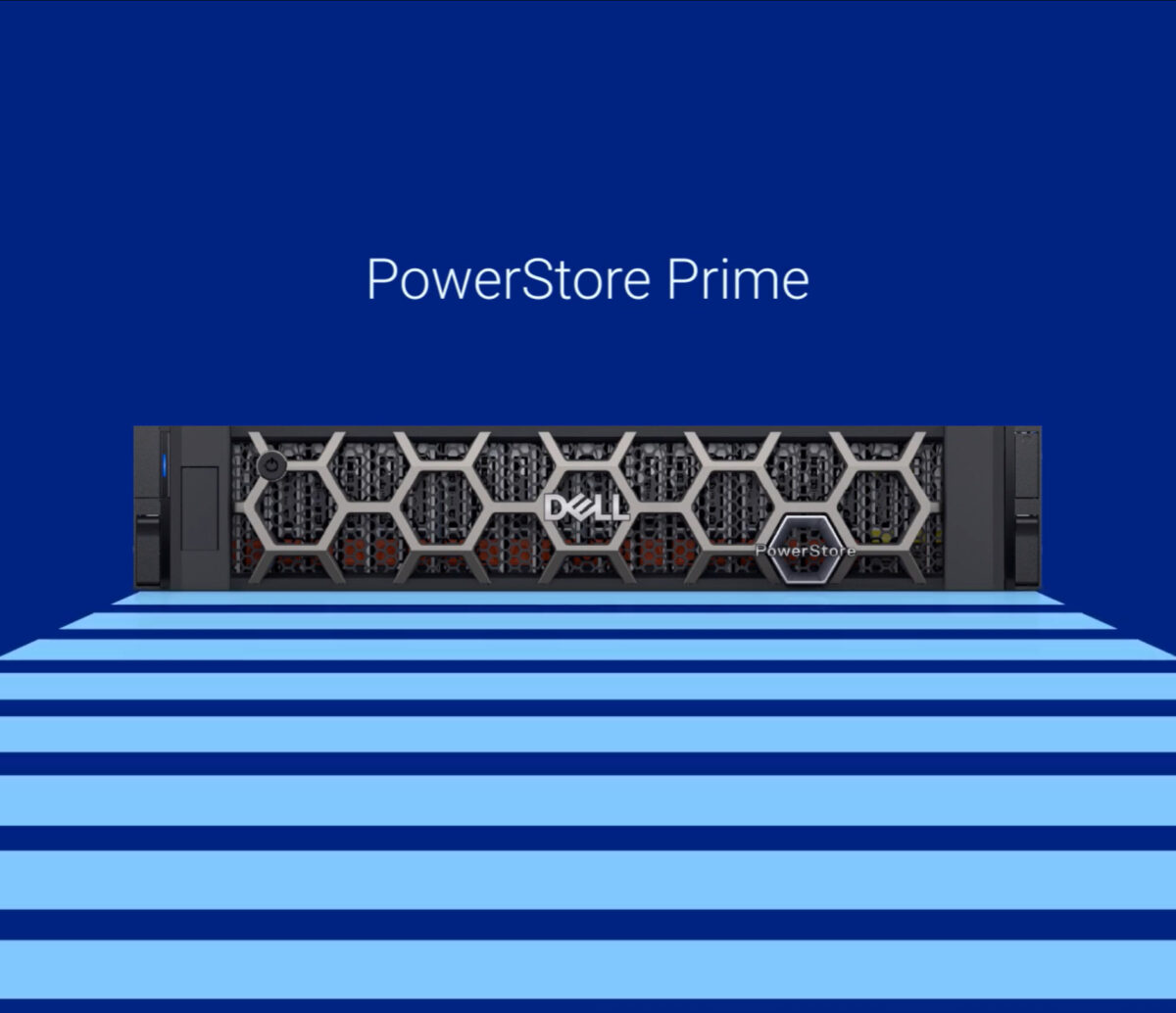
Learn About Powerstore Prime from Dell
Dell Technologies recently announced PowerStore Prime, which is a comprehensive integrated offering that combines new all-flash storage advancements with strategic business advantages to help organisations compete in an AI-accelerated, yet economically challenged world. If your company is looking to adopt a modern storage platform to keep infrastructure and data ready for future needs, as well as protect your investment over the long term, Dell PowerStore Prime is a smart choice.
Learning from experience
To address these challenges, many organisations are turning to cloud-based systems for enhanced backup reliability. For example, Kasugai Municipal Hospital in Japan recently migrated its critical data to the cloud using Wasabi Technologies.
This transition not only ensured the hospital’s data security against natural disasters and ransomware but also streamlined costs by eliminating hidden charges such as egress fees. Such moves demonstrate the importance of proactive planning in preventing catastrophic loss.
The role of storage in Big Data management
The era of Big Data brings both opportunities and challenges. Storing and managing massive datasets require solutions that balance security, accessibility and cost-effectiveness. Businesses without robust strategies risk falling into the trap of “data rot”, where obsolete or improperly managed data becomes a liability. This highlights the need for IT managers to periodically assess and optimise their storage systems, as emphasised in our feature on dealing with old data.
Moreover, modern businesses need to embrace the best practices outlined in our explainer on what storage backup is. Diversifying storage methods, encrypting sensitive information and regularly testing recovery systems are critical components of a successful backup strategy.
Building resilience through effective backup
To truly ensure business continuity, organisations must adopt a multi-faceted approach to data backup. This includes:
- Hybrid Solutions: Combining on-premises storage with cloud backups for greater redundancy. It also helps to backup the cloud backup as the case of Unisuper illustrates.
- Automation: Scheduling regular backups to eliminate human error.
- Testing: Periodically simulating data recovery to ensure system integrity.
The importance of a robust storage and backup plan cannot be overstated. As the volume of data grows, so too do the risks of losing it. By learning from past failures and adopting modern best practices, businesses can safeguard their operations and thrive in the face of uncertainty.
About The Author

Kihara Kimachia
NEXT UP