Trending Topics

 Trending
Why is my Microsoft Word black?

Table Of Contents−
Microsoft Word has a few options to change how it looks. Its default theme – and the one most of us use – is a mix of a white page, black text, a grey ribbon, and various coloured icons.
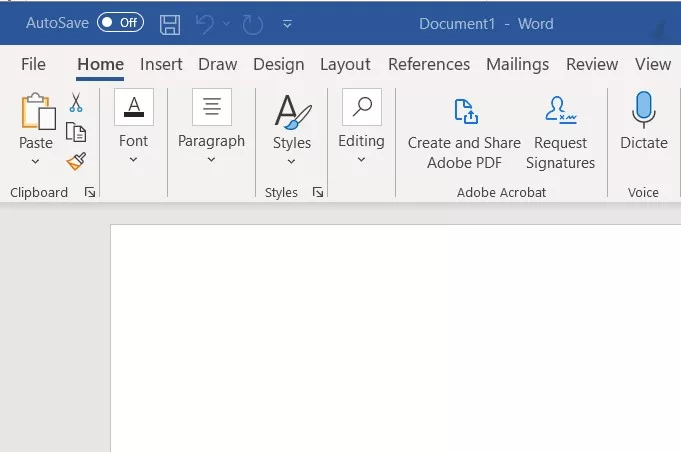
It can therefore be a bit of a shock if your Word suddenly turns to the dark side and becomes mostly black with white lettering.
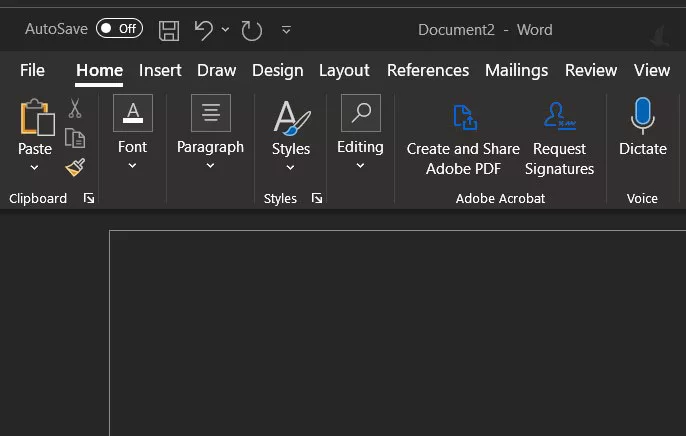
So let’s see what you can do to get things back to how they were – without using the Force.
Changing themes
The reason Word is black is that you’ve likely changed the theme to dark mode. Microsoft created dark mode to help reduce eyestrain, especially in low light. However, if it’s not for you, you can change it back to the default theme or one of the other alternatives.
How do I turn off Microsoft Word’s dark mode?
To return to the default theme and turn off dark mode in Word, first click on File in the ribbon menu.

Now, click on Account at the bottom of the File menu.

Under the heading Office Theme, click the dropdown arrow and select Colorful to return Word to the default theme. If you normally use another theme instead of Colorful, then select that instead.

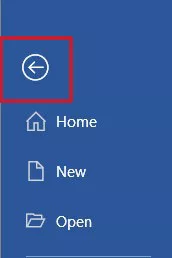
Once selected, the theme will change and you can click the back arrow at the top of the File menu to continue what you were doing.
The Office theme dropdown menu also allows you to try the other themes, so it’s worth checking them out to see if something else suits you better. However, keep in mind that whichever theme you choose will also become the default for any other Office apps you may use, such as Excel, PowerPoint and Outlook.
Why does Word sometimes switch themes automatically?
If your Word theme changes unexpectedly, it’s likely because of one of these reasons:
- Windows theme sync: If you’ve set your Windows 10 or 11 display to dark mode, Office apps can be set to match your system preferences automatically.
- Office updates: Occasionally, Office updates can reset or modify theme preferences, particularly if syncing settings across devices is enabled.
- New installations: If you’ve installed Office on a new device, it might default to dark mode if your Microsoft account preferences were previously set that way.
You can prevent Office apps from following the Windows theme:
- In Word, click File > Options.
- Under General, locate Office Theme and pick the theme you prefer.
- Uncheck Use system setting if it appears.
Theme settings also affect other Office apps
It’s worth noting that whichever theme you pick in Word will also apply to other Office apps you use, including Excel, PowerPoint, and Outlook. This keeps your overall experience consistent, but it also means that turning off dark mode in Word will disable it elsewhere.
If you’re only looking to adjust the appearance in Word without affecting other apps, that’s not currently possible through the built-in theme settings. However, you can control page background colours independently in each document using the Design > Page Colour tool.
Can I customise colours beyond the built-in themes?
While Word doesn’t officially support full custom themes through the Office Theme setting, you can adjust certain visual elements:
- Change the page background colour: Go to Design > Page Colour.
- Modify text colours: Select your text, then choose a colour from the Font Colour button in the toolbar.
- Use High Contrast Themes in Windows Settings for system-wide accessibility adjustments.
For a more tailored appearance, third-party add-ins are available to give you additional colour schemes and themes, though these aren’t officially endorsed by Microsoft.
Related reading: What is Microsoft Copilot Word?
This article was updated on the 9th May 2025 with additional instructions on customising themes.
About The Author

Mark Parvin
NEXT UP


